
 01635 581 811
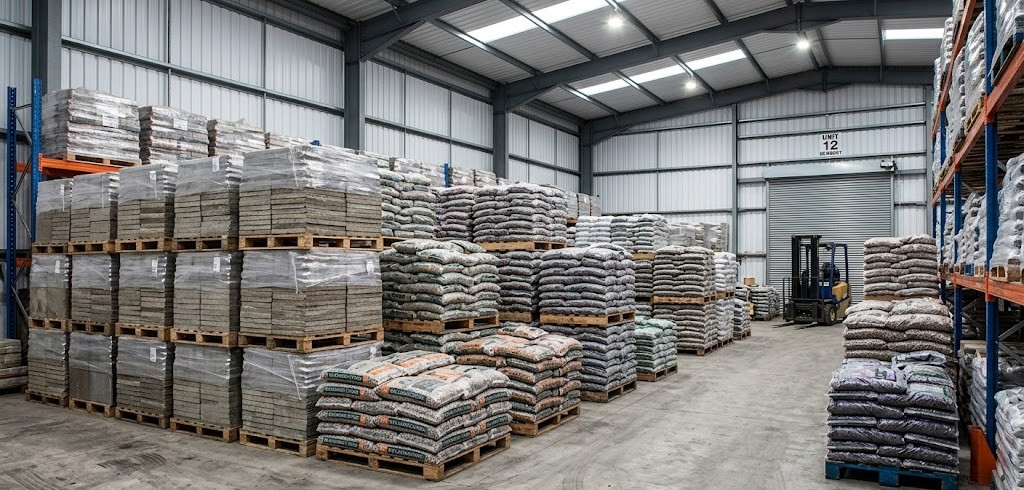
Running a garden design business means juggling multiple projects, each at different stages. You might be finishing off a patio installation in Thatcham whilst planning a retaining wall project in Hungerford, all while sourcing materials for a new job starting next month. The challenge? You’ve got pallets of natural stone, bags of specialist aggregates, timber sleepers, and decorative gravel sitting around, taking up valuable space and getting in the way.
For many garden designers and landscapers, the gap between purchasing materials at the right price and actually needing them on-site can span weeks or even months. Storing hard landscaping materials properly during these intervals isn’t just about freeing up space – it’s about protecting your investment, maintaining material quality, and keeping your business running efficiently through strategic garden designer material storage.
Why Garden Designers Need Dedicated Material Storage
Think of material storage like having a well-organised workshop. You wouldn’t leave your tools scattered across a muddy yard, and the same principle applies to your hard landscaping materials. The difference is that these materials are bulkier, heavier, and often worth considerably more.
Bulk purchasing makes financial sense. When suppliers offer discounts on large orders or you spot reclaimed materials at the right price, you need somewhere to keep them. One designer in Newbury saved nearly £800 by purchasing a full pallet of York stone when a local estate was renovating. The stone was perfect for a client’s period property patio – authentic reclaimed York stone matching the property’s age and character. However, the client’s planning permission was delayed by the council for three months whilst they assessed impact on the conservation area. The designer needed secure garden designer material storage during this period. He calculated that even with £145 monthly storage costs (£435 total), he still saved £365 compared to purchasing the stone at standard retail prices later. More importantly, he secured the exact material his client wanted, which would’ve been impossible to source again at any price once that estate sale ended.
Project timelines shift constantly. A client might delay their garden transformation because of planning issues, weather concerns, or personal circumstances. Your materials still need protecting, even when the project timeline extends.
Material quality deteriorates without proper storage. Natural stone can stain if stored on muddy ground. Timber sleepers warp when exposed to constant moisture. Decorative aggregates get contaminated with soil and debris. Poor storage doesn’t just affect appearance – it can compromise structural integrity.
The Hidden Costs of Inadequate Material Storage
Storing materials at home or on-site creates problems that aren’t immediately obvious until they start affecting your bottom line. Your driveway might seem like a convenient spot for that pallet of sandstone, but what happens when a client needs an urgent quote meeting and you can’t park?
Security risks increase significantly. Hard landscaping materials are valuable and relatively easy to resell. Copper slate chippings, reclaimed bricks, and natural stone pavers are particularly attractive to thieves. Leaving these materials unsecured at home or on a project site overnight invites trouble.
Weather damage accumulates over time. Even materials designed for outdoor use can suffer when stored improperly. Frost can crack certain stone types. Prolonged exposure to rain can cause efflorescence on concrete products. Timber treatments break down under constant UV exposure.
Space constraints limit business growth – like trying to run a marathon whilst carrying a full backpack when you only need a water bottle. If your garage, garden, and driveway are full of materials for upcoming jobs, where do you store the equipment you need daily? Where do you work on design plans? How do you maintain a professional appearance when meeting clients at your premises?
One landscape designer in Berkshire turned down two profitable projects because he simply had nowhere to store the materials he’d need to purchase upfront. That’s not managing resources – that’s letting storage limitations dictate your business decisions.
What Makes Hard Landscaping Materials Challenging to Store
Unlike tools or small equipment, hard landscaping materials demand specific storage conditions. A bag of cement isn’t like a box of screws – you can’t just stack it anywhere and forget about it.
Weight and volume create logistical challenges. A single cubic metre of sandstone weighs roughly 2,300 kilograms. Natural slate can exceed 2,800 kilograms per cubic metre. You need storage with proper ground bearing capacity and enough space to manoeuvre materials safely when you need them.
Different materials require different conditions. Timber needs dry, ventilated storage to prevent rot and warping. Cement and lime-based products must stay completely dry to remain usable. Metal edging and fixings need protection from moisture to prevent rust. Stone can generally tolerate outdoor conditions but needs elevation to prevent ground staining and contamination.
Access requirements vary by project phase. During the planning stage, you might only need to view materials occasionally. As installation approaches, you’ll need quick, convenient access – potentially multiple times per week. Your storage solution needs to accommodate both scenarios without charging you for access you don’t need.
Choosing the Right Storage Solution for Landscaping Materials
Not all storage options suit the specific demands of hard landscaping materials. The solution that works for a photographer storing equipment won’t necessarily work for someone storing half a tonne of reclaimed railway sleepers.
Ground-level access makes the crucial difference. You’re not carrying these materials – you’re loading them onto a van or trailer. Container storage provides drive-up access that eliminates the need to navigate stairs, lifts, or narrow corridors. You can reverse your vehicle right up to the storage space, load efficiently, and get to the job site without wasting half your morning.
Size flexibility prevents paying for empty space. Early in the season, you might only need room for materials for one or two projects. As your workload increases through spring and summer, you’ll need more capacity. Choose storage that allows you to scale up or down without lengthy contracts or penalty fees.
Security features protect your investment. Look for facilities with proper perimeter fencing, CCTV coverage, and individual unit security. Your materials represent both capital investment and future project profitability. Losing them to theft doesn’t just cost you the material value – it delays projects, damages client relationships, and forces you to repurchase at potentially higher prices.
Weather protection depends on material type. Some materials genuinely need covered storage. Others just need to be kept off the ground. Understanding this distinction prevents you from paying for features you don’t need. Covered storage suits timber, cement products, and anything susceptible to water damage. Open container storage works perfectly well for natural stone, gravel, and most paving materials.
Organising Materials for Maximum Efficiency
How you arrange materials within your storage space determines whether you spend five minutes or fifty minutes locating what you need. Organisation isn’t about being tidy – it’s about protecting materials and streamlining your workflow.
Group materials by project. If you’re working on three different jobs, keep each project’s materials in distinct zones within your storage space. Label everything clearly. When you’re heading to the Greenham job, you should be able to load everything you need without sorting through materials for the Newbury project.
Elevate materials off the ground. Even in covered storage, materials benefit from elevation. Wooden pallets work brilliantly for this purpose. They allow air circulation underneath, prevent ground moisture transfer, and make materials easier to lift and move. Stack pallets carefully, ensuring weight distributes evenly and nothing becomes unstable.
Protect vulnerable materials properly. Wrap timber in breathable material, not plastic sheeting that traps moisture. Cover cement bags with tarpaulins that you can remove easily for inspection. Store metal components in sealed containers with moisture-absorbing packets if you’re keeping them for extended periods.
Create an inventory system that actually works. Take photos of what you’ve stored and keep them on your phone with simple notes about quantities and project destinations. This takes two minutes but saves you unnecessary trips to check what you have in stock. Update it whenever you remove or add materials.
Managing Seasonal Storage Demands
Garden design work follows predictable seasonal patterns, and your storage needs will fluctuate accordingly. Understanding these patterns helps you plan more effectively and control costs.
Winter storage requires different thinking. Many designers purchase materials during winter months when prices drop and suppliers are quieter. You might buy stone in January for projects starting in April. This strategy works brilliantly if you have somewhere to keep materials dry and secure during those interim months.
Spring and summer bring peak demand. You’re working on multiple projects simultaneously, materials are moving in and out of storage constantly, and you need reliable access without restrictions. This isn’t the time to be fighting with storage facilities over access hours or struggling with inadequate space.
Autumn presents planning opportunities. As the season winds down, assess what materials you’re carrying into winter. Can you use them on upcoming projects? Are they worth storing, or should you sell them on? This review prevents you from paying to store materials you’ll never use whilst freeing up capital for the next season.
Cost Management and Business Planning
Storage costs need to make business sense. You’re not spending money on storage – you’re investing in operational efficiency and protecting assets.
Calculate the true cost of poor storage. If inadequate storage at home means you can’t take on an additional project worth £3,000 profit, and storage costs £150 per month, the decision becomes obvious. If material damage from poor storage costs you £400 to replace, secure storage pays for itself immediately.
Factor storage into project pricing. When quoting for jobs with long lead times or projects that require advance material purchase, include storage costs in your pricing structure. Clients understand that materials need protecting between purchase and installation. It’s a legitimate business expense that ensures their project materials arrive in perfect condition.
Consider shared storage arrangements carefully. Some designers share storage space with other trades to split costs. This can work, but establish clear boundaries, access schedules, and liability agreements upfront. You don’t want to discover your stone’s been damaged by someone else’s equipment or find yourself unable to access materials because your storage partner has the only key.
Health and Safety Considerations
Storing heavy, bulky materials creates inherent risks that you must manage properly. This isn’t about box-ticking compliance – it’s about preventing injuries that could put you out of work for weeks.
Manual handling requires proper technique and equipment. Even with drive-up access, you’re still moving heavy materials. Use trolleys, sack trucks, and lifting equipment appropriate to the load. Never attempt to lift awkwardly shaped stone pieces alone. Back injuries end careers – don’t let poor handling technique end yours.
Stacking stability prevents serious accidents. Materials must be stacked securely so they won’t topple if bumped or disturbed. Heavy items go on the bottom, lighter items on top. Never stack materials higher than you can safely reach and control. An unstable stack isn’t just dangerous to you – it’s a hazard to anyone else accessing the storage facility.
Fire safety matters even for stone and aggregate. If you’re storing timber, packaging materials, or fuel for equipment alongside hard landscaping materials, you need to consider fire risks. Keep flammable materials separate, ensure adequate spacing, and never store fuel containers in enclosed spaces without proper ventilation.
Making Storage Work for Your Business Model
Different business models create different storage requirements. A sole trader working on two or three projects annually has different needs than a designer managing six concurrent installations with a team of contractors.
Sole traders benefit from flexible, short-term storage. You might only need space for a few weeks between material delivery and project start. Monthly contracts without long tie-ins give you the flexibility to use storage when you need it without paying for empty space during quiet periods. Personal storage options often provide this flexibility at competitive rates.
Growing businesses need scalable solutions. As you take on more work, your material storage requirements increase. The storage solution that worked when you were doing three patios a year won’t suffice when you’re managing ten projects simultaneously. Look for facilities that can accommodate growth without forcing you to relocate everything to a larger space.
Specialist designers have unique requirements. If you focus on specific styles – Japanese gardens requiring particular stone types, Mediterranean designs needing terracotta and specialist aggregates, or contemporary spaces using architectural concrete – you’ll accumulate materials that aren’t easily replaceable. These materials deserve proper storage that protects their unique characteristics.
Building Supplier Relationships Through Smart Storage
Having reliable storage actually strengthens your relationships with suppliers. When you can purchase materials on their schedule rather than yours, you become a more valuable customer.
Bulk purchases earn better pricing. Suppliers prefer selling full pallets or large quantities. If you can buy a full load and store it until needed, rather than ordering small amounts multiple times, suppliers will reflect that efficiency in their pricing. The savings often exceed your storage costs.
Flexible timing reduces supplier pressure. When suppliers have stock they need to move – perhaps end-of-line materials or items they’ve overstocked – they offer significant discounts to customers who can take delivery immediately. With storage available, you can seize these opportunities rather than passing them by because you’ve nowhere to keep the materials.
Material consistency improves project quality. Natural materials vary between batches. Stone from one quarry run differs slightly from the next. If you’re working on a large project in phases, storing materials from the same batch ensures colour and texture consistency throughout the installation. Clients notice this attention to detail.
When to Review Your Storage Strategy
Your storage needs will evolve as your business grows and changes. Regular reviews ensure you’re not overpaying for space you don’t need or constraining your business with inadequate facilities.
Quarterly reviews keep costs aligned with usage. Every three months, assess what you’re storing, how often you’re accessing it, and whether the space still fits your needs. Are you paying for a large unit but only using half the space? Could you downsize and reduce costs? Conversely, are you cramming materials into inadequate space and creating inefficiency?
Project pipeline changes demand flexibility. If you’ve just secured a large commercial contract requiring different materials and quantities, your storage needs will shift dramatically. Don’t wait until you’re struggling – plan ahead and adjust your storage arrangements before you’re forced to make rushed decisions.
Seasonal patterns become clearer over time. After a year or two, you’ll recognise your business’s natural rhythm. Perhaps you always need more storage from February to May, then less through summer. Understanding these patterns allows you to negotiate better terms or plan storage usage more strategically.
Practical Next Steps for Garden Designers
If you’re currently storing materials inadequately – or worse, turning down work because you’ve nowhere to keep materials – it’s time to address this limitation properly.
Start by calculating exactly what you’re storing currently and what you’ll need to store for upcoming projects. Measure pallets, count bags, and assess the actual volume required. Don’t guess – accurate measurements prevent you from paying for space you don’t need or discovering you’ve rented insufficient space.
Consider what materials you’re storing and their specific requirements. Do you need covered storage for everything, or can some materials tolerate outdoor conditions in a secure container? This distinction significantly affects costs.
Think about access patterns. Will you need to collect materials weekly, or can you load everything at once when a project starts? Some storage facilities charge for access, whilst others include unlimited access in the monthly rate. Match the facility’s access structure to your actual needs.
Newbury Self Store understands that garden designers need practical, flexible storage with reliable access and proper security. Whether you’re storing materials for a single large project or managing stock for multiple installations, the right storage solution transforms how you operate. You need facilities where hard landscaping materials stay protected, where natural stone remains clean and accessible, and where timber stays dry until installation.
If you’re ready to explore proper storage solutions, contact us to discuss your specific requirements. We know that your landscaping materials aren’t just stock – they’re the foundation of transformative garden designs that enhance clients’ outdoor spaces.
The difference between struggling with inadequate storage and having proper facilities isn’t just about convenience – it’s about running a professional business that can take on the work you want, protect your investments, and deliver quality results without logistical headaches getting in the way. Your materials deserve better than sitting in your driveway or deteriorating on a muddy patch behind your shed. More importantly, your business storage needs deserve the operational freedom that proper storage provides.