
 01635 581 811
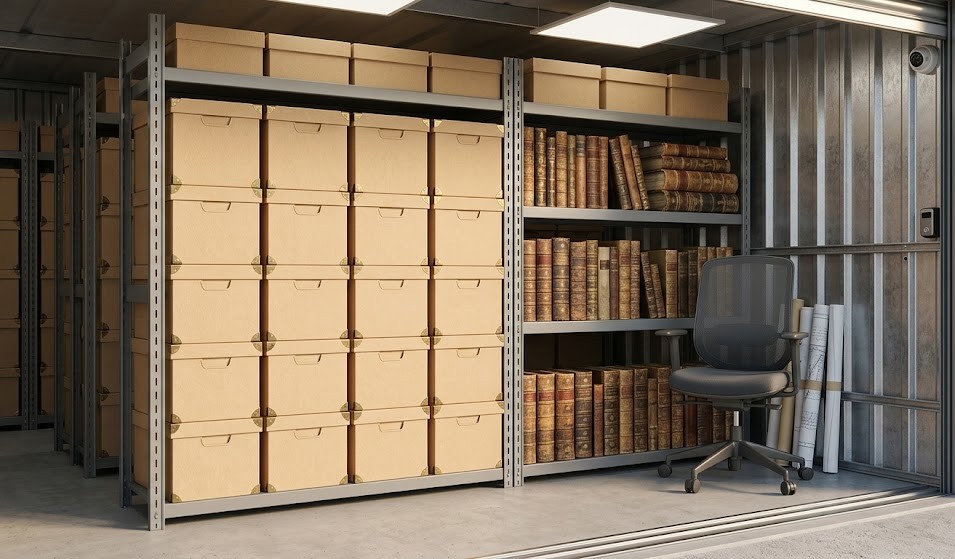
Educational consultants working with schools, universities, and heritage organisations face a unique challenge: protecting decades or even centuries of historical resources whilst keeping them accessible for research and teaching. These aren’t just old papers. They’re primary sources, examination records, student registers, curriculum materials, and institutional archives that tell the story of how education has evolved.
The problem? Most educational institutions don’t have adequate space to store these materials safely. A secondary school might hold records dating back to its founding in the 1920s. A university department could have research papers from pioneering academics. An education charity might maintain teaching resources that document pedagogical shifts over generations. All of this takes up physical space that’s increasingly needed for active learning environments.
That’s where educational consultant archive storage becomes essential. For educational consultants advising on institutional management, space optimisation, or compliance, understanding how to store historical resources properly isn’t optional – it’s a professional requirement.
Why Historical Educational Resources Need Specialist Storage
Historical documents and teaching materials deteriorate rapidly in unsuitable conditions. Temperature fluctuations, humidity, dust, and light exposure cause paper to yellow, ink to fade, and bindings to crack. Examination papers from the 1950s turn brittle when stored in damp basements, and irreplaceable student artwork gets ruined by leaking roofs.
Educational consultants must consider several factors when advising on archive storage:
Environmental stability: Historical paper needs consistent temperature (ideally 13-18°C) and humidity levels (35-50% relative humidity) to prevent degradation. A school attic or converted storage cupboard won’t provide this.
Security: Institutional archives often contain sensitive information – student records, staff files, governance documents. These require secure storage with controlled access.
Accessibility: Archives aren’t museum pieces. Researchers, former students, and institutional historians need to access them. Storage solutions must balance protection with practical retrieval.
Space efficiency: Educational institutions operate on tight budgets. Storage must be cost-effective without compromising the integrity of materials.
The right storage approach protects these historical resources for future generations whilst freeing up valuable on-site space.
What Educational Consultants Typically Need to Store
The scope of historical resources varies enormously across educational settings. Here’s what consultants commonly encounter:
Institutional records: Governing body minutes, financial ledgers, staff employment records, and correspondence that document an institution’s administrative history. These often have legal retention requirements extending decades.
Student records: Admission registers, examination results, attendance records, and achievement certificates. Many educational institutions must retain these for 50+ years, and former students frequently request copies for pension claims or genealogical research.
Curriculum materials: Historical textbooks, teaching guides, syllabi, and lesson plans that show how subjects were taught across different eras. These are invaluable for educational research.
Visual archives: Photographs of school events, building developments, and student cohorts. Maps, architectural plans, and technical drawings of campus developments.
Special collections: Donated materials from notable alumni, research papers from pioneering educators, or teaching resources from significant educational movements.
Examination papers and coursework: Historical examples of student work, from Victorian copybooks to 1980s O-Level papers, which provide insight into educational standards and assessment methods.
A medium-sized secondary school might easily accumulate 50-100 archive boxes of historical materials. A university department could have ten times that volume.
How Archive Storage Solves Space and Preservation Challenges
Professional storage facilities designed for archival materials offer what most educational buildings cannot: controlled environments specifically engineered for long-term preservation.
Think of it like storing wine. You wouldn’t keep valuable bottles in a garden shed where temperatures swing from freezing to sweltering. You’d use a temperature-controlled cellar. Historical documents need the same consideration.
Business storage facilities provide several advantages for educational archives:
Climate control: Consistent temperature and humidity prevent the environmental stress that causes documents to deteriorate. This is particularly important for materials over 50 years old.
Protection from pests: Silverfish, bookworms, and mice can destroy paper archives. Proper storage facilities maintain pest-free environments.
Fire and flood protection: Modern storage units include fire suppression systems and are built above flood plains – crucial protection for irreplaceable materials.
Flexible space: Educational institutions can scale storage up or down as archives grow or as materials are digitised and original copies can be disposed of according to retention policies.
Cost efficiency: Storing archives off-site costs significantly less than maintaining climate-controlled space within expensive school or university buildings.
One comprehensive school in Berkshire had been storing 80 years of institutional archives across three locations: a damp basement room, two large cupboards in the main corridor, and boxes stacked in the deputy head’s office. They were managing records from 1943-2023 covering 12,000 former students. The basement storage had caused mould damage to 1970s examination records, requiring £800 in conservation work. After consulting on their archive strategy, they moved everything to climate-controlled storage at £145 monthly. This freed up the entire ground-floor basement room (approximately 400 square feet), which became a dedicated careers guidance suite serving 200 sixth-form students. The conversion cost £8,000, but the improved careers provision contributed to a 15% increase in Russell Group university acceptances over two years. The school calculated that using the space for active student services rather than deteriorating boxes delivered measurable educational outcomes that storage costs alone could never achieve.
Preparing Historical Resources for Storage
You can’t simply box up decades of documents and hope for the best. Proper preparation protects materials during transit and throughout their time in storage – like the difference between packing fragile china for a house move versus throwing everything in bin bags where it’ll inevitably break.
Conduct an audit: Catalogue what you have before anything moves. Create a spreadsheet listing box contents, date ranges, and document types. This makes future retrieval straightforward.
Apply retention schedules: Not everything needs permanent storage. UK educational institutions must follow GDPR and sector-specific retention guidelines. Some financial records can be destroyed after seven years. Student records might need 50 years. Separate materials accordingly.
Use archival-quality materials: Standard cardboard boxes contain acids that damage paper over time. Invest in acid-free archive boxes and folders. Use tissue paper to protect photographs and delicate items.
Remove damaging materials: Metal paperclips rust and stain documents. Elastic bands perish and stick to paper. Replace these with plastic clips or simply remove them. Never use sticky tape on historical documents.
Create a labelling system: Label every box clearly with contents, date range, and a unique reference number. Use a consistent system across all materials so anyone can locate specific items.
Document condition: Photograph any existing damage before storage. This creates a baseline record if you need to claim on insurance or track deterioration.
Consider digitisation: Before storing materials long-term, assess whether digitisation would be worthwhile. Frequently accessed materials might be better scanned and stored digitally, with originals kept as backup.
One independent school in Reading discovered their Victorian admission registers (1887-1920) were being requested monthly by genealogists researching family histories. The registers contained 8,000 student entries with parents’ names, addresses, and occupations – invaluable genealogical data. Each physical access risked further damage to the 130-year-old volumes. The school arranged professional digitisation at £2,400, creating high-resolution scans of all 2,800 pages. After digitisation, the originals went into climate-controlled storage whilst researchers accessed scans through the school’s website. This eliminated handling of fragile originals, reduced the archivist’s workload by 6 hours monthly, and actually increased researcher satisfaction because digital access was instant rather than requiring visits. The digitisation cost was recovered within 18 months through reduced staff time, and the originals remain pristine for future conservation if needed.
Choosing the Right Storage Solution
Not all storage facilities suit archival materials. Educational consultants should evaluate options carefully:
Climate control’s non-negotiable: For materials over 25 years old or of significant historical value, choose storage with temperature and humidity control. Standard self-storage units experience temperature swings that accelerate deterioration.
Security features matter: Look for facilities with 24/7 CCTV, individual unit alarms, and controlled access. Educational archives often contain sensitive personal data requiring robust security.
Accessibility requirements: How often will materials need retrieval? Some facilities offer drive-up access for frequent visits. Others prioritise security over convenience. Match the facility to your access patterns.
Insurance coverage: Verify that the facility’s insurance covers the full replacement value of materials. For irreplaceable historical documents, consider additional specialist insurance.
Location: Choose storage within reasonable distance of the institution. If a researcher needs to access specific materials, you don’t want a three-hour round trip.
Contract flexibility: Educational needs change. Ensure storage agreements allow you to increase or decrease space as required without prohibitive penalties.
For educational consultants managing multiple institutional clients, personal storage or business storage solutions offer the flexibility to handle varying archive sizes across different projects.
Organising Archives for Long-Term Retrieval
The way you organise materials in storage determines whether retrieval’s straightforward or chaotic. A well-organised archive saves hours of searching and protects documents from unnecessary handling.
Use a hierarchical system: Organise materials by broad category (e.g., student records, governance documents, teaching materials), then by date range, then by specific type. This mirrors how researchers typically search for materials.
Maintain a master index: Keep a detailed spreadsheet or database showing which box contains what. Include box numbers, contents descriptions, date ranges, and storage location. Update this whenever materials are added or removed.
Group related materials: If correspondence relates to a specific event, store it with minutes from relevant meetings. This contextual grouping helps researchers understand the full picture.
Leave room for expansion: Don’t pack boxes to bursting. Leave space for related materials that might emerge later. Overstuffed boxes damage contents and make retrieval difficult.
Create a retrieval protocol: Document who can authorise access to archives, how requests should be made, and what records must be kept of material removal. This protects both the archives and the institution.
Review regularly: Schedule annual reviews of stored materials. This ensures retention schedules are followed, identifies any deterioration early, and confirms that the indexing system remains accurate.
The key’s making archives accessible without compromising their preservation. You’re not hiding materials away – you’re protecting them whilst keeping them available for legitimate educational and research purposes.
Managing Costs and Demonstrating Value
Educational budgets are perpetually stretched. Consultants must demonstrate that archive storage represents good value, not an unnecessary expense.
Calculate space costs: Work out what it costs to maintain archive storage space on campus. Include building costs, climate control, security, and the opportunity cost of using prime educational space for storage. Compare this to off-site storage fees. The savings are usually substantial.
Factor in preservation costs: Poorly stored materials deteriorate and eventually require expensive conservation work or become unusable. Proper storage prevents this degradation, saving money long-term.
Consider digitisation ROI: Digitising frequently accessed materials costs money upfront but reduces handling of originals and makes materials available to wider audiences. Calculate the cost per access over five years.
Quantify space benefits: When archive storage frees up a room, what’s it worth? A converted archive room might become a teaching space, generating income through increased student capacity, or improve student services, supporting recruitment.
Highlight compliance: Proper storage of sensitive records helps educational institutions meet GDPR requirements and avoid potential fines. This risk mitigation has real financial value.
Demonstrate research impact: Well-maintained institutional archives support academic research, enhance institutional reputation, and can attract funding. Document examples where archives have contributed to publications or projects.
One sixth-form college in Newbury moved 30 years of administrative records (1990-2020) into storage at £120 monthly, totalling £1,440 annually. The freed space – a 350-square-foot former archive room adjacent to the library – became a quiet study area accommodating 40 students simultaneously. Given that each A-level student generates approximately £6,000 annually in funding, the improved study facilities directly supported student retention and recruitment. The college’s prospectus now features the modern study space as a key facility. Over a five-year period, the storage investment of £7,200 delivered a study environment that prospective students and their parents consistently praised during open days. The return wasn’t just financial – it was reputational and educational, demonstrating how archive storage enables institutions to prioritize active learning over passive storage.
Legal and Compliance Considerations
Educational archives aren’t just historical curiosities – they’re legal records subject to strict regulations. Consultants must ensure storage solutions meet compliance requirements.
GDPR compliance: Student and staff records contain personal data. Storage must ensure this data’s secure, accessible only to authorised personnel, and retained only for legally required periods.
Sector-specific retention: Schools, colleges, and universities have different legal requirements for record retention. Child protection records, for instance, require retention until the individual’s 25th birthday, plus additional years.
Freedom of Information: Public educational institutions must respond to FOI requests. Archives must be organised so specific information can be located and retrieved within legal timeframes.
Data Protection Act: Storage facilities must have appropriate security to prevent unauthorised access to personal data. This includes physical security and clear protocols for who can access materials.
Insurance requirements: Check whether institutional insurance covers materials stored off-site. Additional coverage might be needed for high-value or irreplaceable items.
Destruction protocols: When materials reach the end of their retention period, destruction must be secure and documented. Confidential materials require shredding or secure disposal certificates.
Educational consultants should work with institutional data protection officers to ensure storage arrangements meet all legal requirements. This isn’t bureaucracy – it’s protecting both the institution and the individuals whose information’s held.
Practical Tips for Educational Consultants
Based on years of helping educational institutions manage their archives, here are the practical lessons that make the biggest difference:
Start with a pilot project: Don’t move everything at once. Begin with one category of materials, refine your processes, then expand. This minimises disruption and helps you identify problems early.
Involve stakeholders: Consult with archivists, librarians, data protection officers, and senior leadership before making decisions. Their insights prevent costly mistakes.
Document everything: Create comprehensive records of what’s stored where, why retention decisions were made, and how materials should be accessed. Future staff will thank you.
Build in regular reviews: Schedule annual assessments of what’s in storage. Needs change, retention periods expire, and some materials may warrant digitisation or disposal.
Invest in proper packaging: Acid-free boxes and folders cost more initially but protect materials far better than standard supplies. This is a false economy to avoid.
Plan for growth: Educational institutions continuously generate records. Ensure your storage solution can accommodate expansion without requiring a complete reorganisation.
Consider accessibility needs: If materials will be accessed by researchers, elderly former students, or people with mobility requirements, ensure the storage facility’s accessible.
Keep originals safe: If you digitise materials, keep the originals in storage as a backup. Digital files can be corrupted or lost. Physical documents, properly stored, last centuries.
The goal isn’t just to move boxes out of the way. It’s to preserve institutional memory whilst making educational environments more effective.
Preserving Educational Heritage for Future Generations
Historical educational resources tell stories that textbooks can’t. They show how teaching methods evolved, how student experiences changed, how institutions responded to social shifts. A 1960s biology textbook reveals attitudes towards gender and science. Victorian punishment books expose harsh disciplinary practices. Wartime school logs document education during crisis.
These materials matter because they provide primary sources for educational research, support institutional identity, and connect former students with their past. Proper storage ensures they survive for future generations to study and learn from.
For educational consultants, recommending appropriate archive storage isn’t just about solving a space problem. It’s about professional responsibility to preserve educational heritage. When you help an institution protect its historical resources, you’re safeguarding evidence of how education has shaped lives and communities.
Newbury Self Store understands that educational consultants need storage supporting institutional archive management, not generic warehouse space. You need facilities where historical resources stay protected by climate control, where archival materials remain organized for research access, and where compliance with GDPR and retention requirements is straightforward. We know that your institutional archives aren’t just old papers – they’re the documentary evidence of how education has evolved and transformed lives.
If you’re advising educational institutions on archive management, contact us to discuss storage solutions that balance preservation, accessibility, and cost-effectiveness. Protecting historical resources requires expertise in both education and storage – we understand both.
The documents stored today become the primary sources of tomorrow. Treat them accordingly.