
 01635 581 811
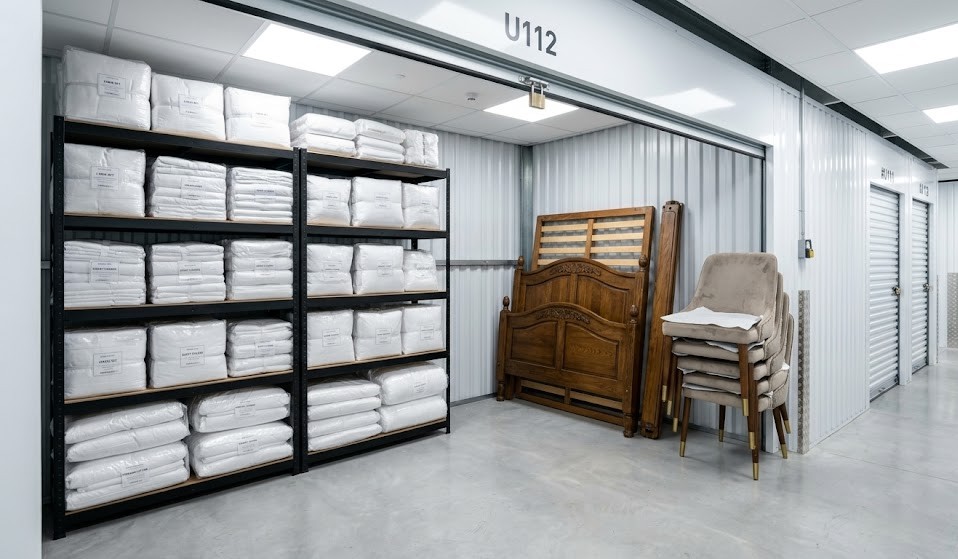
Running a bed and breakfast isn’t just about providing comfortable rooms and hearty breakfasts. It’s about managing space, inventory, and seasonal demand with the precision of a small business whilst maintaining the warmth of a home. Every B&B operator knows the challenge: when occupancy drops during quieter months, you’re left with excess linens, furniture, and equipment taking up valuable space that could be put to better use.
The reality is that most B&Bs operate with fluctuating demand throughout the year. Summer might see every room booked solid, whilst January and February leave you with three empty rooms and nowhere to store the extra duvets, bed frames, and seasonal decorations. This is where B&B storage solutions become essential to your operation.
Why b&b operators need dedicated storage solutions
Unlike hotels with dedicated storage facilities, B&Bs typically operate from converted homes or smaller properties where every square metre counts. You might be using a spare bedroom as a linen cupboard, cramming furniture into the garage, or stacking boxes in areas that guests might glimpse. None of these solutions are ideal.
Professional B&B storage solutions address this challenge head-on. It’s not just about creating space; it’s about maintaining the quality of your assets and presenting your property at its best year-round.
Consider the cost of replacing damaged linens or furniture that’s been stored poorly. A set of quality Egyptian cotton sheets costs £80-120. Multiply that by the number of beds you operate, and you’re looking at thousands of pounds in inventory. Proper storage isn’t an expense; it’s an investment in protecting what you’ve already bought.
Understanding your seasonal storage needs
Most B&B operators fall into predictable patterns based on location and target market. Coastal properties see summer surges. Rural retreats near walking trails experience spring and autumn peaks. City-centre B&Bs catering to business travellers might see weekday demand but quieter weekends.
Here’s what typically needs storing during off-peak periods:
- Duvets and pillows for rooms not in use
- Seasonal bedding (heavier winter duvets, lighter summer covers)
- Spare sheet sets and towel collections
- Table linens for breakfast service
- Curtains and soft furnishings for rooms being redecorated
- Bed frames from rooms temporarily closed
- Occasional furniture that clutters smaller spaces
- Garden furniture during winter months
- Seasonal decorations (Christmas, Easter, summer garden features)
- Extra chairs and tables for peak-season breakfast service
- Bulk purchases of toiletries bought at discount
- Cleaning equipment and supplies
- Maintenance tools and spare parts
- Marketing materials and brochures
- Historical records and booking archives
The question isn’t whether you need seasonal hospitality storage. It’s whether you’re storing things properly.
The hidden costs of poor storage practices
I’ve spoken with dozens of B&B operators over the years, and the stories are remarkably similar. One owner in Berkshire told me about discovering £600 worth of luxury linens ruined by damp in her garage. Another found that bed frames stored in an outdoor shed had warped beyond use, requiring emergency replacements just as peak season arrived.
These aren’t rare occurrences. They’re predictable outcomes of storing valuable business assets in spaces never designed for that purpose. Understanding the value of seasonal hospitality storage means recognising these risks before they cost you money.
Damp and Mould Damage
Linens are particularly vulnerable to moisture. Even in seemingly dry spaces, seasonal temperature changes create condensation. Within months, you’ll notice that musty smell. Within a year, you might see visible mould spots. By then, the damage is done.
Pest Infestation
Moths love natural fibres. Mice find soft bedding perfect for nesting. Store your linens in a garage or outbuilding, and you’re essentially offering free accommodation to creatures you definitely don’t want near your guests.
Space Opportunity Cost
Every square metre used for storage is space you can’t use for something else. Could that spare bedroom become an additional letting room during peak season? Could the garage be converted into a guest lounge or treatment room? The revenue potential of reclaimed space often exceeds the cost of proper storage.
Calculating your storage unit size requirements
Think of choosing a storage unit like packing for a holiday. You need to know exactly what you’re taking before you can pick the right suitcase. Make a comprehensive inventory first.
Here’s a practical framework based on typical B&B operations:
50-75 Square Feet:
- Off-season bedding for 2-3 rooms
- Seasonal decorations and garden furniture
- Bulk supplies and cleaning equipment
- Small furniture items (bedside tables, occasional chairs)
100-150 Square Feet:
- Complete bedding sets for 4-6 rooms
- Multiple furniture pieces (bed frames, wardrobes)
- Extensive seasonal decorations
- Bulk purchasing inventory
- Equipment for events or special occasions
200+ Square Feet:
- Full seasonal inventory rotation
- Furniture from multiple rooms
- Commercial equipment and supplies
- Historical archives and business records
- Marketing materials and display items
Proper packing techniques for linen storage
Storing linens isn’t as simple as folding them and putting them in boxes. Without proper preparation, you’ll retrieve items that smell stale, look creased, or have developed permanent fold marks.
Pre-Storage Preparation
Wash everything before storage, even if it looks clean. Invisible oils and residues attract pests and create odours over time. Ensure items are completely dry, not just surface dry, but thoroughly aired. Even slight moisture trapped in fabric leads to mould growth.
Skip the fabric softener on the final wash. It leaves a residue that can attract dirt during storage. Use a standard detergent and add a cup of white vinegar to the rinse cycle for natural freshness.
Packaging Strategy
Invest in proper storage containers. Cardboard boxes seem economical, but they absorb moisture and provide no pest protection. Plastic storage boxes with sealed lids offer far better protection. Choose clear containers so you can identify contents without opening them.
For high-value linens, consider vacuum storage bags. They dramatically reduce volume and provide excellent protection. However, don’t use them for items with embellishments or delicate embroidery, as compression can damage these details.
Organisation System
Label everything clearly. Not just “linens” but “Room 3 – Summer Bedding – 2 Sheet Sets, 1 Duvet, 4 Pillowcases.” When you need to retrieve items quickly for an unexpected booking, you’ll appreciate the specificity.
Group items by room or by season, depending on your operating pattern. If you close specific rooms during quiet periods, store those room sets together. If you rotate seasonal bedding across all rooms, organise by season instead.
Quality packaging materials make this process significantly easier and protect your investment properly.
Furniture storage best practices
Furniture requires different handling than linens. These are substantial investments that need protection from physical damage, environmental conditions, and the effects of time.
Disassembly and Preparation
Dismantle bed frames and larger furniture pieces where possible. This saves space and reduces the risk of damage during transport and storage. Keep all fixings together in labelled bags taped to the corresponding furniture piece.
Clean everything thoroughly. Dust and dirt can scratch finishes during storage, particularly if items are stacked or covered. Use appropriate cleaners for each material, wood polish for wooden furniture, upholstery cleaner for fabric items.
Protection During Storage
Cover furniture with breathable dust sheets, not plastic sheeting. Plastic traps moisture and can cause wood to warp or upholstery to develop mildew. Old cotton sheets work perfectly for this purpose.
Raise furniture off the floor using pallets or blocks. This protects against potential moisture at ground level and makes retrieval easier. It also allows air circulation around items.
Store mattresses flat, never on their side. Storing mattresses upright can damage internal springs and structure. If space is tight, consider purpose-built mattress storage bags that protect whilst allowing the mattress to maintain its proper shape.
Creating an efficient storage rotation system
The most successful B&B operators don’t just store items; they create systems that make seasonal rotation quick and efficient. This matters when you’re running a business where time equals money.
Inventory Management
Maintain a detailed spreadsheet of everything in storage. Include purchase dates, condition notes, and storage location within your unit. Update this whenever you add or remove items.
Photograph items before storage. This creates a visual record that’s invaluable for insurance purposes and helps you remember exactly what you have without visiting the facility.
Strategic Placement
Store frequently accessed items near the front of your unit. Seasonal decorations you’ll need in three months should be more accessible than furniture you won’t use until next year.
Create clear pathways through your storage unit. You shouldn’t need to move ten boxes to reach the one you actually want. Think of your unit layout like a small warehouse, with logical zones for different categories.
Seasonal Transition Planning
Schedule storage visits during natural transition periods. Don’t wait until the day before you need items. Plan ahead and retrieve things during quieter periods when you have time to wash, check, and prepare them properly.
This is where personal storage facilities with flexible access hours become invaluable. You can collect items early morning or late evening without disrupting your guest service schedule.
Financial benefits of professional storage
Let’s talk numbers, because ultimately your B&B is a business that needs to generate profit.
Direct Cost Savings
Seasonal hospitality storage costs £80-150 per month for most B&B operations. Compare this to the cost of replacing damaged linens (£2,000+ for a complete refresh of a 4-room B&B) or furniture (£5,000+ for quality pieces). The storage cost pays for itself if it prevents just one major replacement during the year.
Revenue Opportunities
Converting storage space into usable area creates revenue potential. That spare bedroom currently filled with boxes could become an additional letting room generating £3,000-5,000 annually. Even at 50% occupancy, that’s significant additional income.
Tax Efficiency
Storage costs for business inventory and equipment are legitimate business expenses. Consult your accountant, but in most cases, these costs are fully deductible against your B&B income, reducing your effective cost significantly.
Property Value Protection
Cluttered, poorly maintained spaces reduce property appeal and value. If you ever consider selling your B&B, presenting it as a well-organised, efficiently run operation with proper systems in place increases its marketability and sale price.
Security considerations for business assets
Your stored items represent substantial business investment. Security isn’t optional; it’s essential.
Modern storage facilities offer multiple security layers: perimeter fencing, CCTV coverage, individual unit alarms, and controlled access systems. These features provide protection that’s impossible to achieve in a domestic garage or outbuilding.
Insurance is simpler with professional storage too. Many home insurance policies don’t adequately cover business inventory, or they exclude items stored in outbuildings. Commercial storage facilities often include basic insurance, with options to increase coverage for high-value items.
Document everything. Photograph items before storage, maintain detailed inventories, and keep receipts for valuable purchases. This documentation proves invaluable if you ever need to make an insurance claim.
Practical implementation: your first storage setup
Starting with seasonal hospitality storage feels like a significant step, but the process is straightforward when you approach it methodically.
Begin by auditing your current storage situation. Walk through every space where you’re currently keeping B&B inventory. Calculate the volume of items that don’t need immediate access. This gives you a realistic starting point for unit size requirements.
Schedule the transition during your quietest period. You don’t want to be packing and moving items whilst managing a full house of guests. Choose a week when occupancy is low and you can focus on the task properly.
Invest in quality packing materials from the start. Trying to save money with inadequate boxes or bags creates more work later. Proper materials make packing faster and protect your investment effectively.
Consider this a fictional but typical example: A B&B operator in Newbury with five rooms was using two bedrooms for storage during quiet months, reducing her lettable capacity by 40%. By moving off-season inventory to a 100 square foot storage unit, she freed both rooms for letting. At an average rate of £85 per night and 60% occupancy during her previous “quiet” months, those two rooms generated an additional £18,360 annually. Her storage cost? £1,680 per year. That’s a return on investment of over 1000%.
Making storage work for your operation
The difference between B&Bs that thrive and those that merely survive often comes down to operational efficiency. Storage strategy might seem like a small detail, but it’s these details that compound into significant competitive advantages.
Professional storage isn’t about spending money; it’s about investing in your business infrastructure. It’s about protecting valuable assets, creating flexibility in your property, and building systems that let you focus on what matters: providing excellent guest experiences.
The most successful B&B operators understand that their property is a business asset that needs to work efficiently year-round. They don’t accept cluttered spaces, damaged inventory, or inefficient systems. They create professional operations that can scale, adapt, and respond to changing demand.
Your B&B deserves the same level of professional management. Whether you’re storing seasonal linens during quiet months or rotating furniture to refresh guest rooms, proper B&B storage solutions protect your investment and create opportunities for growth.
Start with a clear assessment of your needs, implement proper packing and organisation systems, and choose a business storage facility that offers the security and accessibility your business requires. The initial effort pays dividends in protected assets, reclaimed space, and operational flexibility that lets you respond to opportunities as they arise. Don’t guess. Measure your items and calculate volume. Better yet, contact us with an inventory list, and we’ll recommend the most cost-effective B&B storage solutions for your specific needs.