
 01635 581 811
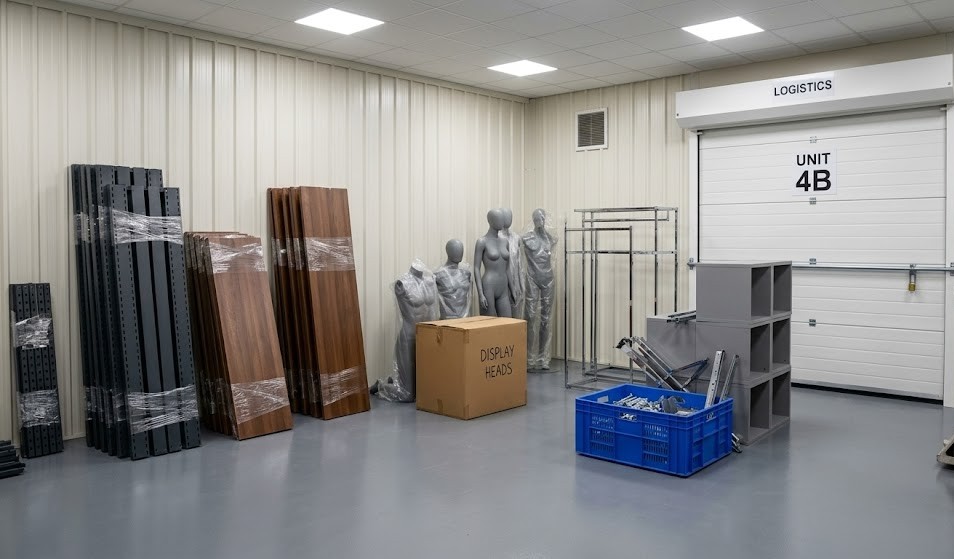
Pop-up retail has transformed from a temporary novelty into a strategic business model. Brands now use short-term spaces to test markets, launch products, and create buzz without committing to long-term leases. But between events, all that stock, fixtures, and equipment needs somewhere to go.
The logistics challenge isn’t just about finding space. It’s about maintaining momentum between locations whilst keeping costs manageable and ensuring your brand materials stay in pristine condition. Most pop-up operators quickly discover that storing everything in a garage or spare room creates chaos when you’re trying to set up your next event in 48 hours.
Why traditional storage solutions don’t work for pop-up retail
Many first-time pop-up retailers assume they can store everything at home or borrow warehouse space from a friend. This rarely works beyond the first event.
Home storage creates immediate problems. Your living space becomes cluttered with retail fixtures, boxed inventory, and display materials. Finding specific items when you need them quickly becomes impossible. One retailer we spoke with spent three hours searching through their garage for branded signage the night before an event, only to discover mice had damaged several pieces.
Shared warehouse space sounds economical until you need access outside business hours. Pop-up events don’t follow a 9-to-5 schedule. You might need to collect stock at 6am on a Saturday or return equipment late Sunday evening. Relying on someone else’s availability adds unnecessary stress to an already demanding schedule.
The real costs of poor storage planning
The financial impact of inadequate pop-up shop storage extends well beyond the monthly rental fee. Calculate the true cost and you’ll find several hidden expenses that erode profit margins.
Damaged inventory represents the most obvious loss. Improperly stored stock suffers from moisture damage, temperature fluctuations, and pest problems. A clothing retailer storing winter coats in a damp garage might find mould has ruined £2,000 worth of inventory before their next event.
Time waste translates directly into lost revenue. Spending hours searching for items, repacking damaged goods, or making emergency trips to replace missing materials takes time away from actually running your business. If you’re billing your time at £50 per hour, a three-hour search mission costs £150 in opportunity cost.
Missed opportunities hurt most. When a last-minute retail space becomes available but you can’t access your stock quickly, you lose the booking to a more prepared competitor. Pop-up retail rewards agility, and poor storage logistics kill agility.
What pop-up retailers actually need to store
Understanding exactly what you’re storing helps determine the right solution. Most pop-up operations accumulate more than initially expected.
Core inventory obviously needs space, but the volume fluctuates dramatically. After a successful event, you might restock heavily. Following a quiet period, you’re storing surplus. Flexible storage accommodates these changes without paying for unused space.
Display fixtures and furniture take up significant room. Clothing rails, shelving units, display tables, mannequins, and lighting equipment are bulky and awkward to store. These items also need protection – a scratched display case or bent clothing rail looks unprofessional at your next event.
Marketing materials and signage include everything from branded banners and poster frames to promotional leaflets and business cards. These materials often represent substantial investment in your brand identity. Storing them properly ensures consistency across all locations.
Point-of-sale equipment encompasses card readers, tablets, receipt printers, and cash handling supplies. This technology needs secure, dry storage to function reliably. One moisture-damaged card reader can halt sales at a crucial moment.
Seasonal stock creates additional storage demands. A pop-up selling Christmas decorations in November needs somewhere to store Valentine’s Day stock that won’t sell for months. Rotating seasonal inventory requires accessible, organised storage.
Choosing the right storage size for pop-up operations
Underestimating space requirements is the most common mistake. Retailers cram everything into the smallest possible unit, then can’t access items without unpacking half the contents.
Think of storage unit sizing like packing a suitcase for a trip. You could technically squeeze everything into a carry-on bag, but you’d spend the entire holiday wearing creased clothes and unable to find anything. A slightly larger case costs a bit more but transforms the experience.
For a typical small-scale pop-up operation with clothing rails, boxed stock, and basic fixtures, a 50-75 sq ft unit provides workable space. This accommodates approximately 30-40 archive boxes plus several clothing rails and display items, with enough room to walk in and access what you need.
Medium-sized operations running multiple events monthly often need 100-150 sq ft. This size handles larger inventory volumes, bulkier display furniture, and allows you to organise stock by event or season. You can create distinct zones within the unit – current stock at the front, seasonal items at the back, fixtures along one wall.
Large-scale pop-up retailers or those storing equipment for multiple simultaneous events should consider container storage, which offers drive-up access for loading and unloading heavy items directly from your vehicle.
Organising storage for quick access
Organisation makes the difference between efficient operations and logistical nightmares. The goal is to access any item within five minutes without moving everything else.
Zone your space by frequency of use. Items needed for every event – card readers, branded signage, core display fixtures – stay at the front. Seasonal stock and backup supplies go towards the back. This simple principle saves enormous time.
Use clear plastic boxes instead of cardboard. Being able to see contents at a glance eliminates the need to open every box searching for specific items. Label boxes on multiple sides so you can identify them regardless of how they’re stacked.
Create a detailed inventory system. A simple spreadsheet listing box numbers and contents allows you to locate items before you even visit the storage unit. Update it after every event. This discipline feels tedious initially but becomes invaluable when you’re preparing for multiple events simultaneously.
Invest in proper shelving. Freestanding metal shelving units maximise vertical space and keep boxes off the floor, protecting against potential moisture issues. Shelving also makes items more accessible – you can grab what you need without unstacking boxes.
Photograph your layout. Take photos showing where everything is stored. When you’re packing up after an event, these images remind you how items should be returned, maintaining organisation between events.
Climate control considerations for retail stock
Not all pop-up inventory needs climate-controlled storage, but certain products deteriorate rapidly in unsuitable conditions.
Textiles and clothing suffer in damp environments. Mould, mildew, and musty odours develop surprisingly quickly. If you’re storing fashion items, beauty products, or fabric-based goods, climate control isn’t a luxury – it’s essential protection for your investment.
Electronics and technology malfunction when exposed to temperature extremes or humidity. Card readers, tablets, and lighting equipment contain sensitive components that corrode in damp conditions. Climate-controlled storage extends the lifespan of expensive equipment.
Paper-based materials including promotional leaflets, business cards, and packaging deteriorate in humid conditions. Paper absorbs moisture, leading to warping, discolouration, and a generally unprofessional appearance.
Cosmetics and beauty products often require stable temperatures. Extreme heat causes products to separate or change consistency. Cold temperatures can affect texture and performance. If you’re running a beauty or skincare pop-up, climate control protects product quality.
Security requirements for retail inventory
Pop-up stock represents significant financial investment. Losing inventory to theft or damage eliminates profit margins instantly.
Individual unit alarms provide the first layer of protection. Modern facilities offer units with individual alarm systems that activate when you’re not on site. This deters opportunistic theft and alerts facility management to unauthorised access.
CCTV coverage throughout the facility adds another security layer. Knowing that all access points and corridors are monitored discourages theft and provides evidence if incidents occur.
Controlled access means only authorised individuals can enter the facility. Personal access codes or key fob systems create an audit trail showing who entered and when. This matters if you’re managing a team and multiple people need storage access.
Insurance considerations often require specific security standards. Check your business insurance policy to understand what security features your storage facility must provide. Some insurers reduce premiums for stock stored in facilities meeting certain security standards.
Timing access around your event schedule
Pop-up retail operates on tight timelines. You might confirm a retail space on Wednesday for a weekend event, giving you just days to prepare.
24/7 access becomes essential rather than convenient. Most events require setup outside standard business hours. Friday evening setup for Saturday morning openings is standard. Sunday evening pack-downs after late-closing events are common. Restricted access hours simply don’t work for pop-up logistics.
Proximity to target locations affects efficiency dramatically. Storing stock an hour’s drive from your typical event locations adds two hours to every setup and pack-down. Over time, this wasted travel costs significant money and energy. Choosing personal storage near your primary operating area streamlines logistics.
Loading bay access matters when you’re moving substantial quantities of stock and fixtures. Drive-up access means you can reverse your vehicle directly to your storage unit, loading and unloading without carrying items through corridors. This cuts setup time in half and reduces the risk of dropping or damaging items.
Managing multiple pop-up locations simultaneously
Successful pop-up operators often run multiple events concurrently. A weekend market on Saturday, a shopping centre activation on Sunday, and a corporate event on Monday creates complex logistics.
Separate storage zones for each event prevent confusion. Dedicate specific shelving units or areas within your temporary retail storage space to individual events. Label clearly. When you’re packing for Saturday’s market at 6am, you don’t want to accidentally grab stock intended for Monday’s corporate event.
Pre-packed event kits save enormous time. Once you’ve run an event type successfully, create a standard kit containing everything needed. A “market stall kit” might include your display table, branded tablecloth, signage, card reader, receipt book, and packaging materials. Store these items together so you can grab the complete kit and go.
Buffer stock prevents emergencies. Always store backup quantities of your fastest-selling items. Running out of stock mid-event costs sales. Having reserve inventory in nearby storage means you can restock quickly if something sells unexpectedly well.
The hidden value of proper storage for brand consistency
Professional presentation separates successful pop-up retailers from amateur operations. Customers judge your brand within seconds of seeing your setup.
Pristine display materials signal quality and attention to detail. Wrinkled banners, scratched display cases, or damaged signage suggest a lack of professionalism. Proper storage keeps these brand elements in showroom condition. When your display looks sharp, customers perceive your products as higher quality.
Consistent brand experience across multiple locations builds recognition and trust. Using the same well-maintained fixtures, signage, and display approach at every event creates familiarity. Customers who saw you at one location and later encounter you elsewhere recognise your brand immediately.
Photography and social media content benefits from professional presentation. Pop-up events generate valuable marketing content. Photos of your setup, products, and customer interactions feed your social media presence. Damaged or shabby-looking displays create poor content that undermines your brand.
Cost management and budgeting for pop-up storage
Storage represents a fixed cost that needs justification within your business model. Understanding the return on investment helps you make smart decisions.
Calculate cost per event. If you pay £100 monthly for storage and run eight events per month, storage costs £12.50 per event. That’s probably manageable. If you only run two events monthly, storage costs £50 per event – a figure that needs justification through higher sales or reduced setup time.
Compare against alternatives. Renting storage specifically designed for business storage typically costs less than the hidden expenses of poor storage solutions. Factor in time wasted, damaged inventory, and missed opportunities when comparing options.
Scale appropriately. Don’t pay for space you don’t need, but don’t cram everything into an inadequate unit either. Starting with slightly more space than you think necessary allows for growth and maintains organisation. You can always downsize if your business model changes.
Preparing stock for storage between events
How you pack and prepare items for storage directly impacts their condition when you need them next.
Clean everything before storing. Display furniture collects dust and fingerprints during events. Cleaning items before storage prevents dirt from setting in and keeps everything ready for immediate use. A quick wipe-down after each event saves time later.
Protect vulnerable items properly. Wrap glass or fragile display pieces in bubble wrap. Cover clothing rails to prevent dust accumulation. Proper packaging materials cost little but prevent expensive damage. Think of it as insurance – spending £20 on bubble wrap and protective covers protects hundreds or thousands of pounds worth of inventory and fixtures.
Rotate stock strategically. After each event, move slower-selling items to the back of your storage space and bring fresh stock forward. This rotation prevents you from displaying the same tired-looking items repeatedly whilst newer stock sits unused in storage.
Scaling your storage as your pop-up business grows
Most pop-up retailers underestimate how quickly their storage needs will expand. Success brings more inventory, additional display options, and increased complexity.
Plan for growth from the start. Choose a temporary retail storage facility that offers various unit sizes so you can upsize without changing locations. Moving storage facilities disrupts operations and wastes time. Finding a facility that can accommodate your growth keeps logistics simple.
Review storage efficiency quarterly. Every three months, assess whether your current storage arrangement still works. Are you constantly struggling to find items? Do you have empty space you’re paying for unnecessarily? Regular reviews keep storage costs aligned with actual needs.
Consider seasonal adjustments. Your storage requirements might fluctuate seasonally. A Christmas-focused pop-up needs maximum space in October and November but minimal space in January through August. Some facilities offer flexible arrangements that accommodate these patterns.
Making storage work as a strategic business asset
Storage shouldn’t be an afterthought or necessary evil. Approached strategically, pop-up shop storage becomes infrastructure that enables business growth.
Think about storage the same way you think about having a reliable vehicle. Yes, it costs money. Yes, it requires maintenance and attention. But it’s the foundation that allows you to operate efficiently and professionally. Without proper temporary retail storage, you’re constantly improvising, wasting time, and risking your inventory and brand reputation.
The most successful pop-up retailers we’ve observed treat their storage space as an extension of their business premises. They invest time in organising it properly, maintain detailed inventory systems, and protect their stock and fixtures as carefully as they would in a permanent retail location. This discipline pays dividends through reduced stress, faster setup times, and consistent professional presentation.
When you’re rushing to set up for an event, knowing exactly where everything is stored and being able to access it immediately transforms the experience. Instead of arriving frazzled and disorganised, you arrive prepared and confident. That confidence shows in how you interact with customers and ultimately impacts sales. Contact us to discuss your needs for the stock that receives the protection it deserves.
The pop-up retail model offers incredible flexibility and opportunity, but only when the logistics work smoothly. Pop-up shop storage between locations isn’t glamorous, but getting it right makes everything else easier. Start with a clear understanding of what you need to store, choose appropriate space with the right access and security features, and maintain ruthless organisation. Your future self – the one setting up for an event at 7am on a cold Saturday morning – will thank you for the preparation.