
 01635 581 811
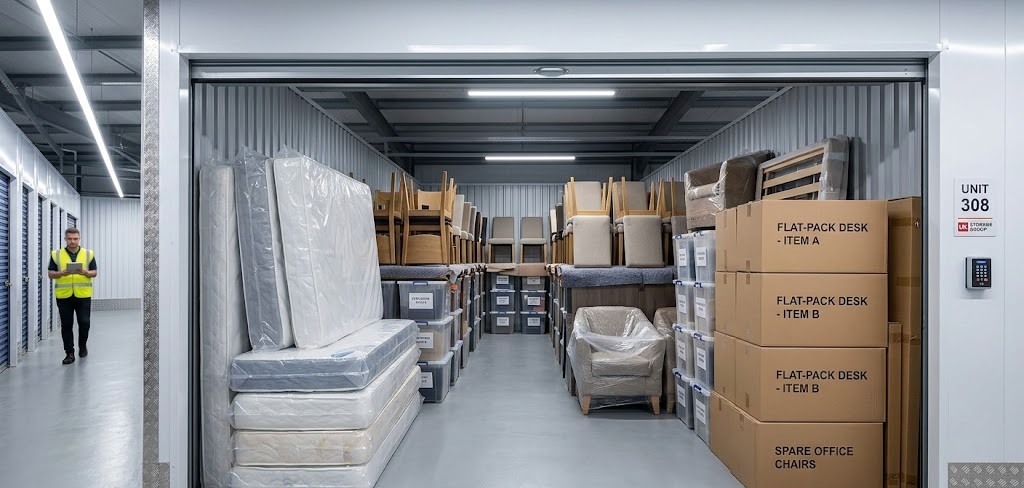
Landlords with multiple rental properties face a persistent challenge: what to do with furniture and furnishings between tenancies. A sofa that doesn’t suit one property might be perfect for another. A set of dining chairs could transform a bare kitchen. Yet storing these items at home quickly overwhelms garages and spare rooms, whilst leaving them scattered across various properties creates logistical headaches.
The solution isn’t complicated, but it requires a shift in thinking. Treating spare furnishings as a centralised resource – rather than property-specific clutter – transforms how you manage your rental portfolio. It’s the difference between scrambling to furnish a property at short notice and having a curated multi-property inventory ready to deploy.
Why landlords need dedicated storage space
Running a rental portfolio means juggling tenant turnover, property refurbishments, and market demands. One property might suit young professionals who prefer unfurnished accommodation, whilst another attracts students who need everything from beds to cutlery. Your furniture requirements shift constantly.
Storing spare items at your own home seems logical initially. It’s free, accessible, and keeps everything close. But this approach fails quickly as your portfolio grows. That spare bedroom becomes impassable. The garage can’t fit your car anymore. You’re moving furniture around just to reach the lawnmower.
Consider this scenario: A landlord we know managed four properties across Newbury and kept spare furniture in his double garage. When a tenant gave notice, he’d spend hours digging through stacked boxes and wrapped furniture, trying to remember what he had. He once bought a new wardrobe for £400, only to discover an identical one buried at the back of his garage three weeks later. That’s £400 wasted because he couldn’t see what he already owned.
Rental portfolio storage eliminates this chaos. Everything lives in one accessible location, properly organised and protected. You know exactly what you have, where it is, and what condition it’s in.
The true cost of poor furniture management
Most landlords underestimate how much disorganised storage costs them. It’s not just about physical space – it’s about time, money, and missed opportunities.
Time wastage adds up faster than you’d think. Searching through cluttered storage for specific items, making multiple trips to collect furniture, or coordinating access to various properties drains hours from your week. Hours you could spend on property viewings, maintenance oversight, or actually growing your portfolio.
Duplicate purchases happen when you can’t locate items you already own. You need a double bed frame urgently, can’t remember if you have one stored, and buy another. Three months later, you find the original. You’ve now spent money unnecessarily and created more storage problems.
Furniture damage from poor storage conditions costs hundreds in replacements. Sofas stored in damp garages develop mould. Wooden furniture warps in fluctuating temperatures. Mattresses stored flat without proper support become unusable. Each damaged item represents wasted capital and environmental waste.
Tenant satisfaction suffers when you can’t furnish properties quickly or properly. A prospective tenant loves a property but needs it furnished. You’ve got furniture somewhere, but can’t access it for two weeks. They rent elsewhere. That’s a month’s rent lost, possibly more.
Setting up your centralised storage system
Creating an effective rental portfolio storage system isn’t about renting the biggest unit you can find and cramming everything inside. It requires planning, organisation, and a clear understanding of your portfolio’s needs.
Assessing your storage requirements
Start by auditing every piece of furniture and furnishing you currently own across all properties. Walk through each property with a notepad or phone, photographing and listing everything that isn’t tenant-owned. Don’t forget items in lofts, sheds, or garages.
Next, consider your portfolio’s direction. Are you expanding? Converting furnished properties to unfurnished? Targeting a different tenant demographic? Your storage needs should accommodate not just what you have now, but what you’ll need in twelve months.
Think about furniture like packing for a long trip – you need the essentials that work across multiple scenarios, not twenty variations of the same item. Three versatile sofas in neutral colours serve you better than ten dated ones in specific styles.
Choosing the right storage unit size
Container storage works brilliantly for landlords with substantial furniture inventories. If you’re managing five or more properties, or you’re between major refurbishments, container storage offers the space and drive-up access you need. Loading a three-seater sofa is considerably easier when you can reverse a van right up to your unit.
Standard storage units suit smaller portfolios or landlords with selective furniture stocks. A 100-150 square foot unit typically accommodates furniture for one to two properties, whilst 200+ square feet handles three or more.
Calculate your space needs by considering volume, not just quantity. Ten dining chairs stack efficiently. Three sofas don’t. Beds disassemble, but wardrobes often can’t. Picture how items will actually fit, not just whether they technically could.
Organisation that actually works
The most spacious storage unit becomes useless if you can’t find anything inside it. Organisation isn’t about perfection – it’s about speed and accessibility when you need something urgently.
Zone your storage by item type. All seating together. Beds and mattresses in another section. Small items and accessories grouped separately. This system means you’re searching one area, not the entire unit.
Create clear pathways through your unit. Don’t pack furniture solid from floor to ceiling. Leave a central walkway and ensure frequently-needed items sit near the front. That chest of drawers you’ve not used in two years can go towards the back. The dining table you rotate between properties needs easy access.
Label everything obsessively. Every box, every wrapped item, every furniture piece should have a label visible from the walkway. Use detailed descriptions: “White IKEA MALM chest of drawers, 4 drawers, good condition, suitable for bedrooms” beats “drawers” when you’re trying to furnish a property quickly.
Photograph your layout from multiple angles whenever you reorganise. Store these photos on your phone. When you’re at a property and need to check if you have something, you can visually scan your storage without making a wasted journey.
Protecting your investment: proper storage techniques
Furniture represents significant capital investment. A fully furnished two-bedroom property easily contains £3,000-£5,000 worth of furnishings. Protecting these assets from damage isn’t essential portfolio management – it’s smart business.
Preparing furniture for storage
Clean everything thoroughly before storage. Sofas and upholstered items should be vacuumed and treated for stains. Wooden furniture needs dusting and, ideally, a light polish. This isn’t about aesthetics – it’s about preventing dirt and grime from causing permanent damage over time.
Disassemble what you can. Bed frames come apart easily and save enormous space. Table legs often unscrew. Remove drawers from chests and dressers – this makes them lighter to move and prevents drawer mechanisms from warping under weight.
Wrap and protect strategically. Furniture blankets protect large items from scratches and dust. Bubble wrap works for delicate elements like glass tabletops or mirrors. Avoid wrapping wooden furniture in plastic long-term – wood needs to breathe, and plastic traps moisture that causes warping.
Elevate items off the floor using pallets or boards. Even in quality storage facilities, keeping furniture raised provides extra protection and air circulation. It’s also easier to clean around elevated items.
What needs special attention
Mattresses must be stored flat or on their side, never folded or bent. Cover them in mattress bags to prevent dust and moisture damage. Stack them carefully – too much weight on a mattress compresses the springs permanently.
Leather furniture requires conditioning before storage. Leather dries out and cracks in storage without proper preparation. Apply leather conditioner, allow it to absorb fully, then cover with breathable furniture blankets.
Wooden furniture hates humidity fluctuations. If you’re storing valuable wooden pieces, climate-controlled storage prevents warping, cracking, and joint separation. It’s an extra cost, but replacing a solid oak dining table costs considerably more.
Electronics and appliances need special consideration. TVs should be stored upright in their original boxes if possible. Small appliances should be clean and dry. Remove batteries from remotes and devices – they leak over time and cause corrosion.
Inventory management for rental portfolios
Professional landlords don’t just store furniture – they manage it as business inventory. This approach transforms storage from a dumping ground into a strategic asset.
Creating your master inventory
Build a spreadsheet listing every stored item with these details: description, condition, dimensions, purchase date, estimated value, and current location within your storage unit. It sounds tedious, but you’ll build this list once and update it occasionally.
Add a “suitable for” column indicating which property types each item fits. That modern glass coffee table suits your city centre flat but looks wrong in the family house. Noting this prevents mismatched furnishing decisions later. A well-maintained multi-property inventory system prevents costly mistakes and saves hours of decision-making time.
Include photos in your inventory. When a letting agent asks if you can furnish a property, you’re sending photos within minutes, not arranging viewings of your storage unit.
Tracking item movement
Record when items move in and out of storage. Which property is that blue sofa in currently? When did you last use those bedside tables? This tracking prevents the “I’m sure I have one somewhere” problem that costs time and money.
Simple systems work best. A notes app on your phone, a basic spreadsheet, or even a physical ledger kept in your storage unit. The format matters less than the habit of recording movements. Your multi-property inventory tracker should be accessible wherever you are – at a property viewing, in your storage unit, or sitting with a letting agent.
Planning for replacement
Furniture doesn’t last forever, especially in rental properties. Your inventory should flag items approaching end-of-life so you can plan replacements strategically rather than making emergency purchases.
Budget for furniture replacement as part of your portfolio management. Roughly 10-15% of your furniture inventory will need replacing or significant refurbishment annually in a typical rental portfolio. Knowing this helps you plan purchases during sales rather than paying premium prices in emergencies.
Making storage work with your rental schedule
Storage only delivers value when it integrates smoothly with your property management workflow. The goal is reducing stress and saving time, not creating another administrative burden.
Coordinating between properties
When one tenancy ends and another begins, you’ve got a narrow window to assess, clean, repair, and potentially refurnish. Having spare furniture in accessible rental portfolio storage means you can transform a property’s appeal quickly.
Keep a “rapid deployment kit” near your storage unit entrance – basic items that improve any property instantly. Neutral curtains, bedside lamps, kitchen essentials, and fresh bedding. These items rotate frequently, so they need immediate access.
Plan furniture movements in batches. If you’re visiting your storage unit anyway, check what else might need moving soon. Combining trips saves time and vehicle costs.
Seasonal considerations
Some furnishings work better in certain seasons. Heavier curtains and additional bedding for winter. Lighter furnishings and garden furniture for summer properties. Rotating these items keeps properties appropriate for the season without buying separate sets for each property.
Student properties have predictable cycles. You know exactly when tenancies end and begin. Plan your storage access around these dates, booking van hire and help in advance rather than scrambling last-minute.
The business case for professional storage
Some landlords hesitate at monthly storage costs, viewing them as unnecessary expenses. This perspective misses the broader financial picture.
Calculate what disorganised furniture management actually costs you. Include your time at a reasonable hourly rate – if you’re spending four hours monthly searching for items, moving furniture between properties, or making duplicate purchases, that’s substantial cost even before counting the actual wasted money.
Professional business storage provides security that home storage can’t match. Insurance typically covers items in professional storage facilities more comprehensively than items scattered across various locations. Check your landlord insurance policy – you might find better coverage for centrally stored items.
The opportunity cost matters too. Every hour spent wrestling with furniture storage is an hour not spent on higher-value activities: finding new properties, building relationships with letting agents, or improving your existing portfolio’s performance.
Practical tips from real portfolio management
Buy furniture that disassembles easily. IKEA gets criticism for various reasons, but their furniture stores brilliantly. Flat-packed storage saves enormous space compared to fully assembled pieces.
Standardise where possible. If multiple properties need dining chairs, buying the same model means you’ve got spares and can swap damaged chairs easily. This approach reduces multi-property inventory complexity significantly.
Invest in quality packaging materials. Cheap furniture blankets tear. Poor-quality boxes collapse. Proper packing materials cost more initially but prevent damage that costs far more to repair.
Schedule regular storage audits. Visit your unit quarterly, not just when you need something. Check for any damage, reorganise if necessary, and update your inventory. This prevents problems from developing unnoticed.
Keep basic tools in your storage unit. Screwdrivers, Allen keys, furniture sliders, and tape make collecting or returning items much easier. You won’t need to rush home for tools mid-task.
Build relationships with furniture suppliers. Knowing where to source replacement items quickly and affordably makes portfolio management smoother. Some suppliers offer trade accounts with better pricing for landlords.
When to reassess your storage strategy
Your storage needs evolve with your portfolio. An arrangement that worked perfectly for three properties might fail completely at six. Regular reassessment ensures your storage strategy supports rather than hinders your business.
You’re making multiple trips weekly to your storage unit. This suggests either poor organisation or insufficient space. Time to reorganise or upgrade to a larger unit.
You can’t locate items in your multi-property inventory. If your system has broken down to the point where you’re unsure what you have, you need to pause and reorganise completely. Better to lose a day reorganising than waste months in inefficiency.
You’re storing items you’ll never use again. Storage isn’t a permanent home for furniture you’re emotionally attached to but practically won’t use. Be ruthless. Sell or donate items that haven’t moved in 18 months. Free up space and reduce costs.
Your portfolio has changed direction. Shifting from furnished to unfurnished properties? Targeting different tenant demographics? Your furniture inventory should reflect your current strategy, not past decisions.
Building a sustainable system
The most effective storage systems become almost invisible – they work so smoothly you barely think about them. That’s the goal: furniture management that supports your rental business without consuming excessive time or mental energy.
Start by implementing the basics: proper unit size, logical organisation, comprehensive inventory. These foundations make everything else easier. You can refine and optimise over time, but getting these elements right initially prevents major reorganisation later.
Think of rental portfolio storage as infrastructure for your rental business, similar to having reliable tradespeople or good letting agents. It’s not glamorous, but it’s essential for efficient operations. The landlords who succeed long-term are those who build robust systems for every aspect of their business, not just the obvious ones.
Managing multiple rental properties brings challenges that extend well beyond tenant relationships and maintenance schedules. How you handle furniture and furnishings between tenancies directly impacts your profitability, efficiency, and stress levels. Centralised storage transforms this challenge from a constant headache into a managed, strategic asset.
The investment in proper storage – both the physical space and the organisational systems – pays returns through saved time, prevented damage, and increased flexibility. When you can furnish a property quickly, respond to tenant preferences, and know exactly what resources you have available through your multi-property inventory system, you’re operating your portfolio as a professional business rather than managing a collection of individual problems.
Your rental portfolio deserves the same systematic approach you’d apply to any business asset. Treat your furniture inventory with the same attention you give to property maintenance or financial planning. Contact us to discuss storage solutions that fit your specific portfolio needs, whether you’re managing two properties or twenty. The right storage strategy doesn’t just store your furniture – it supports the growth and profitability of your entire rental business.