
 01635 581 811
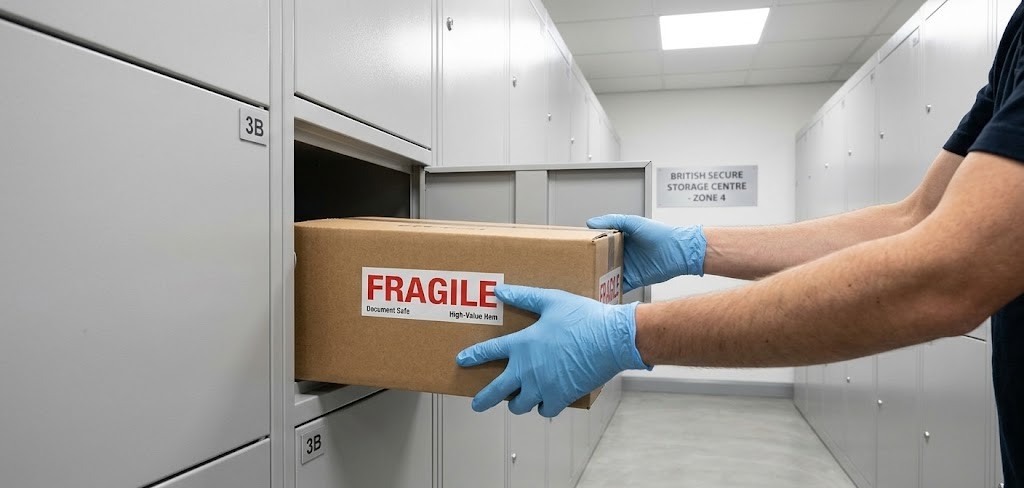
Settling an estate after someone passes away involves countless decisions, but one of the most pressing – and often overlooked – is what to do with a lifetime’s worth of belongings. When you’re dealing with probate, the family home might need to be cleared quickly for sale, yet you can’t distribute items until the legal process completes. That gap can stretch for months, sometimes over a year, leaving executors scrambling to find somewhere safe and accessible for everything from antique furniture to boxes of family photographs.
Probate chattels storage becomes essential when you’re caught between clearing a property and waiting for legal authority to distribute assets. Most executors face this challenge: the house must be emptied, beneficiaries live scattered across the country, and some items need professional valuation before anyone can claim them. Storing personal effects properly during this period protects both their monetary value and their emotional significance, whilst giving everyone involved the breathing room they need to make thoughtful decisions rather than rushed ones.
Understanding chattels in probate
Chattels refer to moveable personal property – essentially anything that isn’t land or buildings. During probate, this covers an enormous range: furniture, jewellery, artwork, clothing, books, kitchen equipment, garden tools, and countless other items accumulated over decades. Each piece technically belongs to the estate until probate completes and executors distribute assets according to the will or intestacy rules.
The legal responsibility sits squarely with executors. You’re required to safeguard all estate assets from the moment you take on the role until distribution finalises. That means preventing theft, damage, or deterioration – a tall order when dealing with a three-bedroom house full of belongings and no one living there to keep an eye on things.
Insurance becomes complicated during this period. Standard home insurance often lapses or provides reduced cover once a property becomes unoccupied, typically after 30-60 days. Specialist unoccupied property insurance costs significantly more and comes with strict conditions about security measures and regular inspections. Many executors find it simpler and more cost-effective to clear the property entirely and store contents in a secure facility where they’re covered by comprehensive insurance.
Why executors choose storage during probate
The timeline for probate varies wildly. Simple estates might complete within six months, but anything involving property sales, disputed wills, or complex assets can stretch well beyond a year. During this period, several practical pressures converge.
Property sales create the most immediate pressure. Estate agents consistently advise that empty properties sell faster and achieve better prices than furnished ones. Buyers struggle to visualise their own furniture in cluttered spaces, and older décor can make properties feel dated. Clearing the house completely before marketing it makes sound financial sense for the estate, but you need somewhere to put everything whilst probate grinds through its process.
Beneficiaries living at a distance compound the challenge. When siblings live in Manchester, Edinburgh, and Bristol, coordinating who gets what becomes a logistical puzzle. No one can travel down repeatedly to collect individual items, yet you can’t deliver everything until probate grants you legal authority. Storage provides a holding space where items remain safe and accessible when the time comes for distribution.
Valuation requirements add another layer of complexity. Antiques, artwork, jewellery, and collections often need professional appraisal for both probate valuation and potential capital gains tax calculations. These specialists need time to examine items properly, and you can’t have them cluttering up a property that needs to be marketed. Effective personal effects protection through secure storage whilst awaiting valuation protects the estate’s interests and gives experts the access they need.
Think of it like this: probate is a bit like waiting for planning permission whilst renovating a house. You know what you want to do, you know who gets what room, but you can’t actually move anyone in until the paperwork clears. Storage is your temporary holding area – not permanent, but essential for the in-between period.
What typically needs storing
The sheer volume catches most executors off-guard. A modest three-bedroom house easily fills a 200-square-foot storage unit, whilst larger properties might require two units or more. Breaking down what you’re dealing with helps you plan space requirements and prioritise what needs the most protection.
Furniture forms the bulk by volume. Beds, wardrobes, sofas, dining tables, chairs, sideboards, bookcases, and occasional tables add up quickly. Some pieces hold significant monetary value – mid-century designs, quality antiques, or handcrafted items – whilst others matter purely for sentimental reasons. All need protection from damp, temperature fluctuations, and physical damage during storage.
Valuable items demand extra care. Jewellery, watches, artwork, antique china, silver, and collections (coins, stamps, militaria) need secure storage with proper insurance cover. These often require individual packing and careful documentation, and executors should photograph everything before storage as proof of condition.
Documents and photographs represent irreplaceable family history. Birth certificates, marriage certificates, property deeds (even if superseded by electronic records), old letters, photograph albums, and family trees can’t be replaced if lost or damaged. These need dry, stable conditions and careful organisation so you can locate specific items when beneficiaries ask about them.
Personal effects create the most emotional weight. Clothing, books, hobby equipment, and everyday items might not have significant monetary value, but they carry memories. A father’s golf clubs, a mother’s recipe books, a child’s school reports – these matter to families even if they’re worthless to valuers. Proper probate chattels storage ensures these emotionally significant items receive the same care as financially valuable ones.
One executor I spoke with recently described clearing her aunt’s house as “like dismantling a life in reverse.” She’d lived there forty years, and every cupboard revealed another layer of accumulated belongings. Without storage, she’d have faced impossible choices about what to keep and what to discard before anyone had time to process the loss properly.
Choosing the right storage solution
Not all storage facilities suit probate situations equally well. You need specific features that match the unusual demands of estate settlement – potentially long duration, uncertain timescales, and the need for occasional access when valuers or beneficiaries need to view items.
Security tops the list of priorities. Look for facilities with 24-hour CCTV coverage, individual unit alarms, secure perimeter fencing, and controlled access. Estate assets are your legal responsibility as executor, and you’ll need to demonstrate you’ve taken reasonable steps to protect them. High-security facilities provide that reassurance and the documentation to prove it if questions arise later.
Climate control matters more than most executors realise. Furniture suffers in damp conditions – wood swells and warps, upholstery develops mildew, and metal components rust. Artwork, books, and photographs deteriorate rapidly in fluctuating temperatures and humidity. Climate-controlled units maintain stable conditions year-round, preventing the kind of damage that could significantly reduce an item’s value or render it unusable.
Accessibility becomes crucial when you’re coordinating with valuers, house clearance companies, and beneficiaries. You need a facility with reasonable access hours – ideally seven days a week – and the ability to bring vehicles close to your unit for loading and unloading. Ground-floor units with drive-up access save enormous effort when you’re moving heavy furniture or need to retrieve specific items quickly.
Flexible terms suit probate chattels storage situations perfectly. Fixed-term contracts create problems when probate takes longer than anticipated. Monthly rolling contracts with reasonable notice periods give you the flexibility to vacate when estate settlement completes, whether that’s six months or eighteen months down the line. Some facilities offer discounted rates for longer-term storage, which can benefit estates with complex probate processes.
Personal storage facilities designed for household contents typically offer the features executors need, combining security, climate control, and accessible locations. The investment in proper storage protects estate assets far more cost-effectively than maintaining insurance on an empty property or rushing to distribute items before everyone’s ready.
Packing and organising estate items
How you pack determines whether items emerge from storage in the same condition they entered. Rushing this stage to save time invariably costs more later when you’re dealing with damaged furniture or can’t locate specific items that beneficiaries request.
Start with a comprehensive inventory. Document every significant item before packing – photographs work brilliantly for this. Note condition, any existing damage, and approximate dimensions for larger pieces. This record protects you as executor if disputes arise about an item’s condition or value, and helps beneficiaries understand what’s available for distribution.
Proper packing materials aren’t optional. Furniture needs protection from scratches, dents, and moisture. Wrap pieces in furniture blankets or bubble wrap, paying particular attention to corners and protruding elements like chair legs or table edges. Dismantle larger items where practical – beds, wardrobes, and dining tables – to save space and reduce damage risk during moving and storage.
Boxes need to be sturdy and appropriately sized. Don’t overload them – a box that’s too heavy to lift safely will either injure someone or break open at an inconvenient moment. Pack heavy items like books in smaller boxes, lighter items like bedding in larger ones. Label everything clearly with room of origin and general contents. “Kitchen – everyday china” tells you far more than just “Kitchen” when you’re searching for specific items months later.
Fragile items demand extra attention. Wrap china, glassware, and ornaments individually in bubble wrap or packing paper. Fill empty spaces in boxes with crumpled paper to prevent movement during transport. Mark boxes clearly as fragile and stack them on top of heavier, sturdier boxes in your storage unit. Artwork should be wrapped in acid-free paper and stored upright, never flat, to prevent warping.
Create a logical layout in your storage unit. Place items you might need to access – documents, valuables requiring appraisal, or specific items beneficiaries have requested – near the front. Stack heavier items at the bottom, lighter on top. Leave a narrow walkway down the middle if space permits, giving you access to items at the back without dismantling your entire storage system.
Quality packaging materials make this job significantly easier and protect estate assets properly. Investing in proper boxes, bubble wrap, and furniture covers costs far less than replacing damaged items or dealing with beneficiaries’ disappointment when cherished possessions emerge from storage in poor condition. This attention to detail is fundamental to effective personal effects protection.
Managing access and documentation
Probate creates unique access challenges. Multiple people might need to view or collect items at different times, yet you’re legally responsible for ensuring nothing goes missing or gets distributed prematurely. Clear systems and thorough documentation protect both the estate and yourself as executor.
Maintain detailed records of everything entering storage. Your initial inventory should list every significant item with photographs and condition notes. Update this record whenever anything leaves storage, noting what was removed, who took it, when, and under what authority. This paper trail becomes invaluable if disputes arise about missing items or unauthorised distributions.
Controlled access prevents problems before they start. Most storage facilities issue individual access codes or keys. As executor, you control who receives these. Be cautious about giving access to beneficiaries before probate completes – legally, they don’t own anything yet, and you’re responsible for preventing premature distribution. If beneficiaries need to view items to decide what they’d like, accompany them or arrange supervised access.
Valuers and house clearance professionals will need access at various points. Schedule these visits in advance and, where possible, be present yourself. Take photographs before and after their visits as additional documentation. Reputable professionals won’t object to this – they understand you’re protecting estate assets and fulfilling your legal duties.
Insurance documentation deserves careful attention. Ensure your storage facility’s insurance covers the full value of stored contents, or arrange additional cover if estate assets exceed standard limits. Keep copies of insurance certificates with your probate paperwork. If you need to make a claim, having thorough photographic records and inventories speeds the process considerably and supports accurate valuations.
Consider creating a simple spreadsheet tracking storage costs as they accrue. These are legitimate estate expenses, deductible before distribution to beneficiaries. Recording monthly storage fees, insurance costs, and any additional expenses like packing materials creates a clear audit trail and ensures the estate isn’t out of pocket for necessary expenditure.
Duration and cost considerations
Storage costs accumulate monthly, so understanding likely timescales helps you budget appropriately and choose the right facility. Probate duration depends on estate complexity, but planning for at least six months gives you a realistic baseline.
Simple estates – single property, straightforward will, no disputes – might complete probate within four to six months. More complex situations stretch considerably longer. Property sales can take three to six months alone, adding to the overall timeline. Disputed wills, inheritance tax complications, or difficulty locating beneficiaries can extend probate well beyond a year.
Storage costs vary by unit size and facility features. A 100-square-foot unit might cost £80-120 monthly, whilst a 200-square-foot unit runs £150-200. Climate-controlled units command premium pricing but protect valuable contents from deterioration. Calculate potential total costs by multiplying monthly fees by your estimated storage duration – six months at £150 monthly equals £900, a significant estate expense but often less than maintaining insurance and utilities on an empty property.
Compare storage costs against alternatives. Keeping the property occupied until probate completes means continuing to pay utilities, council tax, and insurance – easily £300-400 monthly for a typical house. Empty property insurance alone often exceeds standard storage costs, without solving the problem of clearing the house for sale. Probate chattels storage frequently proves the most cost-effective option when you factor in faster property sales and reduced holding costs.
Some executors worry about open-ended financial commitments. Monthly rolling contracts address this concern perfectly – you’re never locked into paying for storage you no longer need. Once probate completes and you’ve distributed assets, simply give notice (typically 14-30 days) and vacate the unit.
Budget for ancillary costs beyond basic storage fees. Transport to and from the facility, packing materials, and potentially hiring help for heavy lifting all add up. Factor these into your estate expense calculations from the start to avoid surprises later.
Legal and insurance considerations
As executor, you’re personally liable for estate assets until distribution completes. This legal responsibility means taking reasonable steps to protect everything, and “reasonable” definitely includes proper storage for valuable or significant items.
Executor liability covers loss, damage, or theft of estate assets through negligence. If you leave valuable items in an empty, unsecured property and they’re stolen, beneficiaries could potentially sue you personally for the loss. Proper personal effects protection through secure storage with adequate security and insurance demonstrates you’ve fulfilled your duty of care, protecting you from personal liability.
Insurance requirements operate on two levels. First, your storage facility should provide comprehensive cover for stored contents against fire, theft, and damage. Check policy limits and exclusions carefully – some standard policies cap coverage at £10,000 per unit, which might not cover a house full of furniture and valuables. Second, consider whether you need additional specialist insurance for high-value items like jewellery, artwork, or antiques. Insurers offer estate-specific policies that cover the unusual circumstances of probate.
Documentation protects everyone involved. Photograph items before storage, maintain detailed inventories, record all movements in and out of storage, and keep insurance certificates with your probate paperwork. If HMRC queries estate valuations or beneficiaries dispute distributions, this paper trail demonstrates proper asset management and supports your position as executor.
Some items require special handling from a legal perspective. Firearms must be stored securely and legally, with appropriate licensing considerations. Hazardous materials need proper disposal rather than storage. Controlled substances, even prescription medications, should be disposed of appropriately rather than stored indefinitely. When in doubt, consult your probate solicitor about specific items that might create legal complications.
Data protection matters too, particularly for stored documents containing personal information. As executor, you’re processing personal data about the deceased and beneficiaries, so GDPR principles apply. Store documents securely, restrict access appropriately, and don’t retain information longer than necessary for estate administration.
Coordinating with beneficiaries
Clear communication prevents most disputes during estate settlement. Beneficiaries naturally feel anxious about their inheritance, and uncertainty about what’s happening with personal effects creates tension. Keeping everyone informed reduces conflict and makes your job as executor considerably easier.
Explain your storage arrangements early in the process. Let beneficiaries know where items are stored, why storage is necessary, and roughly when distribution might occur. This transparency reassures people that you’re taking proper care of estate assets and gives them realistic expectations about timescales.
Viewing arrangements need careful management. Some beneficiaries will want to see items before formal distribution, particularly if they’re choosing between various pieces of furniture or personal effects. Arrange supervised visits rather than giving unlimited access. This protects you legally and prevents situations where items go missing or disputes arise about who took what.
Photography helps immensely with remote beneficiaries. Take clear photos of significant items and share these digitally. Someone living three hundred miles away can indicate preferences based on photos without needing to travel repeatedly. This speeds the eventual distribution process and reduces everyone’s stress levels.
Create a fair system for allocating items of similar value. When three siblings all want the same piece of furniture, you need a mechanism for resolution. Some executors use rotation systems – first choice on item A, second choice on item B, and so on. Others arrange professional valuations and adjust cash distributions to balance out valuable items. Whatever system you choose, explain it clearly and apply it consistently.
Document everything related to distributions. When beneficiaries collect items from storage, have them sign a simple receipt listing what they’ve taken. This protects you from later claims that they didn’t receive something or that items were damaged. It might feel overly formal, but clear documentation prevents disputes that could otherwise damage family relationships permanently.
Business storage principles apply surprisingly well to estate situations – you’re essentially managing a temporary holding operation with multiple stakeholders, clear accountability requirements, and the need for thorough record-keeping.
When to consider alternative options
Storage suits most probate situations, but some circumstances call for different approaches. Understanding when alternatives make more sense saves money and simplifies estate administration.
House clearance companies offer a quicker solution when estate assets have minimal value or beneficiaries want nothing. They’ll clear entire properties in a day or two, disposing of or recycling most contents and potentially paying for items with resale value. This works well for estates where the property’s value far exceeds contents’ worth and quick sale is the priority. However, you lose control over individual items, and beneficiaries can’t change their minds later about wanting specific pieces.
Auction houses combine clearance with value realisation. They’ll collect entire house contents, sell anything marketable at auction, and provide you with proceeds for the estate. This suits situations where contents have value but beneficiaries don’t want physical items – they’d prefer their inheritance in cash. The auction house handles everything, though they take commission on sales and you’ll wait for auction dates and payment processing.
Distributed storage works when beneficiaries live locally and have space. Rather than centralising everything in one storage unit, distribute items to beneficiaries’ homes for temporary keeping until probate completes. This saves storage costs but creates complications if disputes arise or someone damages items they’re holding. It also means you’re relying on others’ honesty and care, which isn’t always wise when significant values are involved.
Property storage – keeping items in the estate property – occasionally makes sense for very short probate periods. If you’re confident probate will complete within two months and the property is secure with appropriate insurance, leaving items in situ saves moving costs. However, this rarely works in practice because probate timescales are unpredictable and empty property insurance is both expensive and restrictive.
For very large estates with substantial contents, container storage provides cost-effective space for furniture and bulkier items, whilst more valuable pieces might warrant separate climate-controlled storage. Splitting storage between different facility types optimises both personal effects protection and cost management.
Moving forward with confidence
Managing chattels during probate represents one of the most tangible aspects of estate administration. These physical possessions carry both monetary value and emotional weight, requiring careful handling throughout the settlement process.
Secure probate chattels storage removes much of the stress from this equation. Items remain protected in controlled conditions whilst legal processes unfold. You’re fulfilling your duty as executor to safeguard estate assets, beneficiaries have confidence that cherished possessions are being properly cared for, and everyone gains the time needed to make thoughtful distribution decisions.
The investment in proper storage – whether for six months or eighteen – protects far more than just physical items. It protects family relationships by preventing rushed decisions and hasty clearances. It protects estate value by maintaining items in good condition. And it protects you as executor by demonstrating the reasonable care required under law.
If you’re currently serving as executor and facing the practical challenge of managing estate chattels during probate, contact us to discuss storage solutions tailored to your situation. The right storage arrangement provides security, flexibility, and peace of mind whilst you navigate the complex responsibilities of estate settlement.