
 01635 581 811
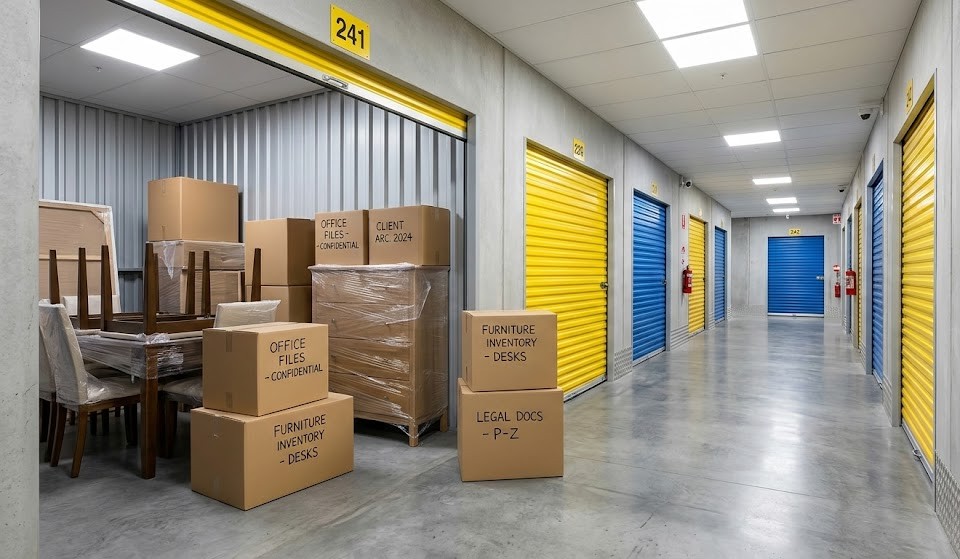
Settling an estate brings enough emotional weight without the added stress of immediately dividing furniture and belongings among multiple beneficiaries. When several family members inherit items from the same property, rushing the process rarely ends well. Arguments erupt over who gets the oak dining table, tensions rise when someone takes more than their share, and precious heirlooms risk damage during hasty removals.
Estate furniture storage offers a practical solution that gives everyone breathing room during beneficiary furniture division. Rather than forcing immediate decisions during an already difficult time, temporary storage creates space for thoughtful discussion, proper valuation, and fair distribution. It’s the difference between a chaotic clearance and a measured approach that honours both the deceased’s wishes and family relationships.
Why immediate division rarely works
The weeks following a bereavement aren’t the best time for making permanent decisions about furniture and possessions. Yet executors often face pressure to clear properties quickly, especially when probate timelines loom or rental agreements demand vacant possession.
Three main problems emerge when families rush the division process. First, emotions run high and cloud judgement – that sideboard might spark arguments simply because it reminds one sibling of Sunday dinners, whilst another sees only its monetary value. Second, beneficiaries rarely have immediate space in their own homes for large furniture pieces, leading to poor storage decisions or items left in garages where they deteriorate. Third, without proper time for valuation, families risk giving away valuable antiques or keeping pieces worth far less than assumed.
A family clearing their mother’s three-bedroom house discovered this the hard way. They spent a frantic weekend dividing furniture, only to learn weeks later that the ‘ordinary’ bureau one sibling had taken to charity contained a hidden drawer with war medals and documents worth thousands. The piece itself turned out to be a Georgian antique. That mistake could have been avoided with a few weeks of proper assessment.
How temporary storage creates space for better decisions
Think of estate storage like pressing pause on a heated discussion. It doesn’t solve the underlying issues, but it stops everyone from saying things they’ll regret and creates time for calmer heads to prevail.
When you move estate furniture into secure storage, you achieve several things simultaneously. The property gets cleared to meet legal or practical deadlines, removing that immediate pressure. All items remain intact and protected whilst beneficiaries work through the division process properly. This approach to beneficiary furniture division removes the rushed atmosphere that often leads to regrettable decisions. And crucially, everyone gets equal access to view and discuss items without the chaos of multiple people trying to clear a house at once.
Personal storage facilities designed for household contents provide the controlled environment estate furniture needs during this transition period. Climate-controlled units prevent the warping, mould growth, and fabric deterioration that can occur in damp garages or garden sheds – common places people initially stash inherited furniture.
The practical steps for storing estate furniture
Moving an entire household’s worth of furniture into storage requires planning, but the process needn’t be overwhelming. Breaking it down into clear stages keeps everything manageable.
Stage One: Inventory and Photography
Before anything leaves the property, document every piece. Take clear photographs from multiple angles, note any damage or distinguishing features, and create a written inventory that all beneficiaries receive. This transparency prevents disputes later about condition or what was actually in the estate.
For larger estates, number each item with removable tags that correspond to your inventory list. It sounds tedious, but you’ll thank yourself when someone asks about “that chair with the carved back” and you can immediately identify which of the twelve chairs they mean.
Stage Two: Valuation and Categorisation
Group items into three categories: pieces requiring professional valuation, items with clear sentimental value, and everyday furniture. Anything that looks antique, bears maker’s marks, or comes with family stories about its origins deserves an expert’s assessment before division.
This stage often reveals surprises. That heavy oak wardrobe taking up space might be a reproduction worth £200, whilst the delicate side table everyone overlooked could be a genuine Arts and Crafts piece worth ten times that amount. Getting valuations before division ensures fairness and prevents the common scenario where one beneficiary unknowingly receives items worth far more than others.
Stage Three: Proper Packing and Protection
Estate furniture has often survived decades in one home – don’t let it get damaged during a few months in storage. Wrap all wooden furniture in furniture blankets, never plastic sheeting which traps moisture. Disassemble large pieces where possible, keeping all fixings together in labelled bags taped to the relevant item.
Upholstered furniture needs particular attention. Vacuum thoroughly to remove dust and potential moth eggs, then cover with breathable fabric covers. If the upholstery is valuable or antique, consider having it professionally cleaned before storage – existing stains can set permanently given time.
The packaging materials you choose make a real difference to how furniture emerges from storage. Quality furniture blankets, proper mattress bags, and sturdy boxes for smaller items aren’t expensive compared to replacing damaged heirlooms.
Stage Four: Strategic Loading
How you arrange furniture in a storage unit affects both its condition and your ability to access specific items during the division process. Place items you’ll need to retrieve first near the door. Create aisles between furniture groupings so beneficiaries can view pieces without moving everything.
Never stack furniture directly on concrete floors – use pallets or boards to allow air circulation underneath. This simple step prevents moisture wicking up into wood and fabric. Similarly, leave small gaps between items rather than cramming everything tightly together. Air needs to circulate.
Managing the division process from storage
With furniture safely stored through estate furniture storage, you can approach beneficiary furniture division methodically rather than frantically. Several approaches work well, depending on family dynamics and the executor’s preference.
The Staged Selection Method
Beneficiaries take turns selecting items in rounds, with the order rotating each round. If three siblings are dividing an estate, person A chooses first in round one, person B chooses first in round two, and person C chooses first in round three. This continues until all items are allocated.
This method works particularly well when beneficiaries can visit the storage unit together, though it’s not essential. Clear photographs and detailed descriptions allow remote participation if someone lives far away.
The Points System
Assign each item a point value based on its appraised worth or agreed importance. Each beneficiary receives an equal number of points to ‘spend’ on items they want. This approach handles situations where one person wants several small items whilst another wants a few valuable pieces.
The points system requires more upfront work in valuation but often feels fairest when estates contain items of widely varying value. It also reduces arguments – if someone desperately wants the piano, they can use most of their points for it, but they’ll have fewer points left for other items.
The Professional Mediator Approach
When family relationships are strained or the estate is particularly complex, bringing in a neutral third party to oversee division can prevent lasting damage to family bonds. Estate settlement specialists or professional mediators understand both the legal requirements and the emotional dynamics at play.
Having estate furniture in storage rather than scattered across multiple homes makes this professional involvement far more practical. The mediator can arrange viewings, facilitate discussions, and ensure the process follows the will’s stipulations without anyone feeling rushed or pressured.
Timing considerations and costs
How long should estate furniture remain in storage? The answer depends on probate complexity, beneficiary availability, and how quickly everyone reaches agreement on division.
Most estate furniture storage situations resolve within three to six months. This gives adequate time for professional valuations, for beneficiaries to prepare space in their own homes, and for measured discussions about who receives what. Some executors find that setting a clear timeline – “we’ll complete division by [date]” – focuses minds and prevents the process dragging on indefinitely.
Storage costs need factoring into estate settlement expenses. For a typical three-bedroom house’s worth of furniture, expect to need a unit of around 150-200 square feet. Container storage offers a cost-effective solution for larger estates, providing drive-up access that simplifies loading and retrieval as items get allocated.
These costs are legitimate estate expenses, payable from the estate before distribution to beneficiaries. Keep all receipts and include storage fees in your executor’s accounts. The cost of a few months’ storage is minimal compared to the value it provides in preventing disputes and protecting valuable items.
Legal considerations and executor responsibilities
Executors carry legal responsibility for estate assets until distribution is complete. This includes furniture and personal effects, not just financial assets. Storing items properly demonstrates you’re fulfilling your duty of care. Estate furniture storage provides documented proof of your careful handling during the beneficiary furniture division process.
Document everything meticulously. Your inventory, photographs, and records of the division process protect you if beneficiaries later dispute allocations. If someone claims they never received the bookcase listed as theirs, your photographs and signed acknowledgement forms provide clear evidence.
Some wills specify how particular items should be divided. “My dining table to my daughter Sarah” is straightforward, but “my furniture to be divided equally among my children” requires interpretation. Storage gives you time to seek legal advice on ambiguous clauses without items deteriorating or disappearing in the meantime.
When beneficiaries can’t agree on division, storage preserves the status quo whilst you pursue legal resolution. Courts can order specific division methods, but this takes time. Meanwhile, furniture in secure storage remains protected and available for court-appointed valuers to assess if needed.
When beneficiaries aren’t ready to receive items
Even after division is agreed, beneficiaries often can’t immediately accommodate large furniture pieces. Someone might be mid-house-move, living temporarily in a small flat, or overseas for work. This is where the flexibility of storage really proves its worth.
Rather than forcing everyone to collect items on the same timeline, allow each beneficiary to retrieve their allocated furniture when it suits their circumstances. Some storage facilities enable you to grant access to specific individuals, letting beneficiaries collect items directly once you’ve confirmed what they’re entitled to take.
This staggered collection approach works particularly well for business storage needs too – if a beneficiary inherits items for their business but lacks immediate warehouse space, they can transition goods gradually rather than scrambling for somewhere to put everything at once.
Protecting sentimental value alongside monetary worth
Not every division dispute centres on valuable antiques. Often, the battered kitchen table everyone remembers from childhood causes more arguments than the expensive sideboard nobody has emotional attachment to.
Storage creates space for these emotional discussions to happen properly. When you’re not standing in the deceased’s kitchen with a house clearance deadline looming, it’s easier to have honest conversations about why certain items matter. One sibling might not care about monetary value but desperately want the bookshelf their father built. Another might prefer the valuable art collection but be happy to forgo the handmade furniture.
These trades and compromises happen more naturally when everyone has time to reflect on what they truly want versus what they feel obligated to claim. The dining table might initially seem like something to fight over, but given a few weeks to think it through, beneficiaries often realise nobody actually has space for it or wants the style.
When to consider selling rather than dividing
Sometimes the fairest solution is selling estate furniture and dividing the proceeds. This works particularly well when multiple beneficiaries want the same items, when nobody has space for large pieces, or when the estate contains valuable antiques that would be better placed with collectors.
Storage gives you time to arrange proper sales. Rather than accepting the first house clearance offer (which is typically a fraction of true value), you can organise specialist auctions for quality pieces, advertise appropriately, and achieve fair market value.
Keep furniture in good condition during this sales period. Items emerging from storage clean, intact, and well-presented fetch significantly better prices than pieces that have languished in damp garages. The difference in sale price often exceeds the storage costs several times over.
Making storage work for everyone
The key to successful estate furniture storage lies in clear communication with all beneficiaries from the start. Explain why you’re using storage, how long you anticipate needing it, and how costs will be covered. Share the inventory and photographs so everyone knows exactly what’s being stored.
Set regular review points – perhaps monthly updates on the division process, valuations received, and timeline adjustments. This transparency prevents suspicion and keeps everyone engaged in reaching resolution.
Most importantly, remember that storage isn’t about delaying difficult decisions indefinitely. It’s about creating the space needed to make those decisions properly, preserving both furniture and family relationships during a challenging time.
Conclusion
Dividing estate furniture among beneficiaries tests even the closest families. The combination of grief, legal pressure, and competing interests in valuable or sentimental items creates a perfect storm for disputes and regrets. Temporary storage doesn’t eliminate these challenges, but it transforms them from urgent crises into manageable processes.
By removing the immediate pressure to clear properties, estate furniture storage allows proper valuation, thoughtful discussion, and fair beneficiary furniture division. Furniture remains protected whilst families work through the emotional and practical complexities of estate settlement. The relatively modest cost of a few months’ storage often prevents both damaged items and damaged relationships – outcomes worth far more than the storage fees.
Whether you’re an executor facing a complex estate, a beneficiary wanting to ensure fair treatment, or a family trying to honour a loved one’s wishes whilst respecting everyone’s needs, contact us to discuss how secure, flexible storage can support your estate settlement process. Sometimes the best way forward is simply giving everyone time to breathe.