
 01635 581 811
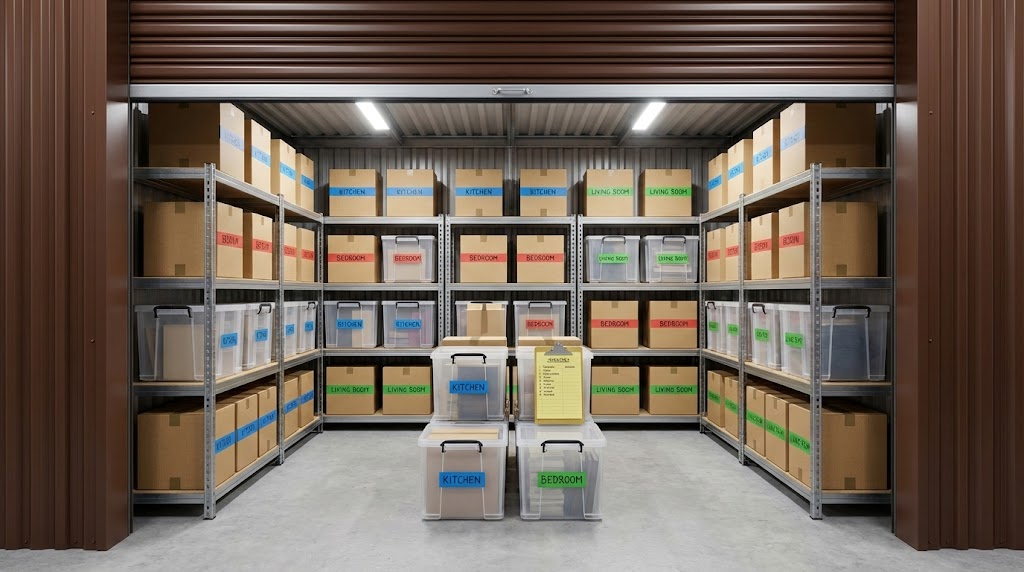
Home renovations promise beautiful transformations but deliver chaos during execution. Dust infiltrates everywhere. Contractors need workspace. Your belongings require protection from construction hazards. Without systematic approaches, renovations quickly become overwhelming nightmares rather than exciting improvements. Renovation organisation tips transform this chaos into manageable processes where you maintain control rather than feeling constantly overwhelmed.
Successful renovation project management begins before first hammers swing. You need clear strategies for protecting belongings, maintaining access to essentials, and preventing construction delays caused by household clutter. Professional organisation separates items requiring immediate access from those better stored securely off-site. This systematic approach protects possessions whilst giving contractors unobstructed workspace.
Think of organised renovations like military operations. Every item has designated positions. Every box gets documented. Nothing disappears into chaos. This level of preparation keeps homeowners sane whilst preventing expensive items being misplaced or damaged during construction.
Why Organisation Proves Critical
Renovations fundamentally disrupt household functions. You’re temporarily losing accessible space whilst everything shifts location. Without systematic approaches, possessions quickly become unmanageable messes that slow contractors and create frustrating delays.
Maintaining inventory control lets you differentiate between items needing long-term storage versus those required daily. Full-scale remodels particularly benefit from dedicated off-site storage separating construction chaos from cherished possessions. This geographic separation ensures fragile or sentimental items aren’t exposed to dust, debris, or accidental damage.
Cost Control Through Organisation
Disorganisation translates directly into higher costs. Tradespeople forced to spend time moving boxes or navigating clutter charge for this wasted labour. Your hourly contractor rates shouldn’t fund moving your belongings repeatedly – they should fund actual renovation work.
Damage risks skyrocket on active building sites. Valuable electronics, artwork, or wooden furniture suffer preventable harm when left in construction zones. Proper storage and preparation act as insurance for possessions and budgets simultaneously.
Personal storage solutions provide off-site hubs maintaining cleanliness and integrity whilst contractors work unimpeded. Planning ahead ensures you’re paying only for genuinely needed space rather than excessive capacity.
Implementing Professional Labeling Systems
Labeling represents the single most important tool managing large volumes of stored goods. Clear, consistent systems save hours of frustration when retrieving items or unpacking after renovations complete.
Imagine unpacking your kitchen after six weeks and facing seas of identical cardboard boxes. What do you need first – the kettle, plates, or cookbooks? Professional labeling eliminates this guesswork entirely.
Master Inventory Creation
Effective systems involve not just labeling boxes but creating digital master inventories. These spreadsheets correspond directly to numbers placed on container exteriors, creating searchable databases of stored possessions.
Essential labeling process elements:
Sequential numbering assigns unique identifiers to every container (Box 001, Box 002, continuing systematically). Write numbers prominently on at least two sides ensuring visibility regardless of stacking orientation.
Ultra-specific descriptions replace generic labels. Instead of “Living Room,” write “Living Room – Media Console Cables & Remote Controls.” This specificity dramatically reduces search time post-renovation.
Colour-coding systems use different coloured tape or stickers representing original rooms or priority levels. Red might indicate soon-to-be-renovated room contents. Green shows essential items needed during transitions. Blue marks long-term storage items.
Digital tracking records box numbers, main contents, original rooms, and priority ratings (1-5 scale, with 1 being most essential) in searchable formats accessible from anywhere.
Consider Rachel’s loft renovation experience. She stored 45 boxes of possessions using this systematic approach. When renovations completed, she immediately located Box 28: “Childhood Art Portfolio and School Certificates” – precisely what she needed for her new display area. Friends who’d used generic labeling spent days searching through every box. Her small labeling investment yielded enormous stress reduction.
Photography Documentation
Photograph valuable items before storage showing condition at storage time. This documentation proves invaluable for insurance purposes whilst helping verify everything’s present when retrieving possessions. Take photos of assembled furniture showing proper configuration before disassembly.
Digital photos with box numbers in frames create visual inventories supplementing written lists. When searching for specific items, photos jog memories considerably more effectively than text descriptions alone.
Selecting Appropriate Storage Facilities
Significant renovations require shifting bulk furniture and possessions entirely off-site. This is where professional facilities become invaluable partners providing more than just locked rooms – they offer reliability, easy access, and exceptional protection.
Security Standards
Security proves non-negotiable when storing valuable possessions during extended renovations. 24/7 CCTV monitoring, secure gated access, and individual unit alarms ensure only authorised individuals access facilities. These multiple security layers protect possessions far more effectively than on-site storage in garages or spare rooms contractors regularly access.
Newbury Self Store implements comprehensive security protocols as standard features, understanding that renovation possessions often include irreplaceable sentimental items alongside valuable belongings.
Access Flexibility Requirements
Contractors inevitably need items you’d assumed wouldn’t be touched. Convenient access hours ensure projects don’t stall waiting to retrieve single items. Extended hours or 24/7 availability accommodate unpredictable renovation schedules that rarely respect standard business hours.
Unit Sizing Considerations
The biggest customer question is always “How much storage space do I actually need?” Slight overestimation proves better than struggling to fit final items. Think of sizing like packing removal vans – better to have breathing room than forcing items into inadequate spaces.
Small units accommodate seasonal items, tools, or single bedroom contents – perfect for minor refreshes.
Medium units suit small flat contents or general domestic needs during partial renovations.
Large units handle full house clearances, substantial furniture collections, or business storage solutions requiring bulk capacity for equipment and inventory.
For particularly substantial renovations or those involving heavy equipment, container storage options provide drive-up access simplifying loading without navigating stairs or corridors.
Intelligent Space Maximisation Strategies
Whether storing items temporarily at home or moving them into dedicated units, maximising every square foot proves crucial. You’re playing organised Tetris ensuring stability and efficiency rather than randomly piling possessions.
Disassembly First
Disassemble everything possible before storage. Beds, tables, shelving units, and desks break down into considerably smaller components. Wrap all bolts, screws, and hardware in labeled plastic bags taped securely to furniture pieces they belong to. This prevents the frustrating searches for missing assembly components when reassembling furniture later.
Strategic Vertical Stacking
Stack boxes from heaviest at bottom to lightest at top, maintaining sturdy level bases. Leave narrow walkways down unit middles if you anticipate needing access to items at back areas. This organisation prevents dismantling entire units to retrieve single items.
Vacuum-seal textiles before boxing. Clothing, bedding, and curtains occupy enormous space. Compression using vacuum-sealed bags dramatically reduces volume whilst protecting against dust and moisture.
Fill voids strategically. Place smaller items – shoes, tools, kitchen utensils – inside larger containers like wardrobes, drawers, or appliance interiors. You’re effectively storing items inside items, eliminating wasted air pockets.
Protect breakables appropriately. Mark every box containing fragile items clearly and position strategically away from high-traffic areas. Stack only with lightweight items on top preventing crushing pressure.
You can source quality protective materials – heavy-duty moving boxes, bubble wrap, furniture blankets, and strong tape – from the packaging shop ensuring proper protection throughout storage periods.
Protection Against Renovation Hazards
The three main enemies of stored items during renovations are dust, moisture, and pests. Preventative steps ensure everything emerges from storage in identical condition to storage entry.
Comprehensive Sealing
Seal every box tightly with strong packing tape. Dust is incredibly fine and persistent – if gaps exist, dust infiltrates. For long-term or high-value items, wrap boxes in plastic sheeting or place sheeting layers over stack tops providing added protection.
Environmental Sensitivity Considerations
Certain items require special attention regarding temperature and humidity fluctuations. Wooden antiques, leather furniture, musical instruments, and important paper documents can warp, crack, or mildew without proper storage conditions.
Climate-controlled units maintain stable environments protecting sensitive possessions. This investment proves particularly valuable for extended renovations lasting multiple months where seasonal temperature variations would otherwise damage vulnerable items.
Lift items off ground using pallets or wooden runners ensuring air circulation whilst protecting against potential ground moisture. This simple elevation prevents numerous moisture-related problems that otherwise damage items stored directly on concrete floors.
Maintaining Mental Wellbeing
Renovations test patience, energy, and mental focus. When temporary kitchens fail and dust seems endless, systematic organisation provides your greatest defence against emotional fatigue. Following professional renovation organisation tips throughout processes acts as constant stress reducer.
Psychological Benefits of Off-Site Storage
Offloading majority possessions into secure facilities removes visual clutter from immediate living environments. This separation creates vital psychological boundaries between temporary living spaces and building sites. You don’t live surrounded by everything you own – just essentials.
Focus on managing small piles of necessities. Fewer items requiring worry at home means calmer mental states. This simplification proves especially valuable during extended renovations where living amongst chaos for months becomes genuinely exhausting.
Take Michael and Jennifer’s experience during their six-month whole-house renovation. They moved into a small flat temporarily whilst contractors worked. Rather than cramming possessions into the temporary space or leaving everything vulnerable in the construction zone, they used professional storage for everything except immediate necessities.
This approach meant their temporary flat felt like actual home rather than crowded storage facility. When renovation complications extended their timeline by two months, they adjusted storage arrangements easily without additional stress. Their friends who’d attempted managing without proper storage spent the entire period feeling overwhelmed by displaced possessions creating constant friction with temporary living arrangements.
Strategic Planning Timeline
Effective renovation project management requires planning storage logistics before work begins. Last-minute scrambling creates stress and poor decisions about what goes where.
Eight weeks before: Create comprehensive inventories of possessions. Identify items requiring storage versus those needed during renovations. Research storage facilities and reserve appropriate units.
Six weeks before: Begin systematic packing using proper labeling systems. Create digital inventories tracking box contents and locations.
Four weeks before: Complete majority packing. Arrange transport for items moving to storage. Ensure contractors have clear workspace before their start date.
Two weeks before: Move packed items to storage. Verify temporary living arrangements include all essential items. Confirm contractors have unobstructed access to work areas.
This systematic timeline prevents the chaos of trying to pack whilst contractors are already working, creating dangerous situations and project delays.
Making Renovations Manageable
Professional renovation organisation tips combined with systematic renovation project management transform potentially overwhelming projects into manageable processes. Your possessions stay secure and protected. Contractors work efficiently without household clutter impeding progress. You maintain sanity through organised systems rather than drowning in chaos.
The investment in proper storage and organisation proves trivial compared to benefits gained through protecting possessions properly and maintaining efficient contractor productivity throughout renovations.
Ready to establish proper organisation for your renovation project? Contact the team for straightforward advice about unit sizes, security features, and flexible arrangements supporting successful renovation management.