
 01635 581 811
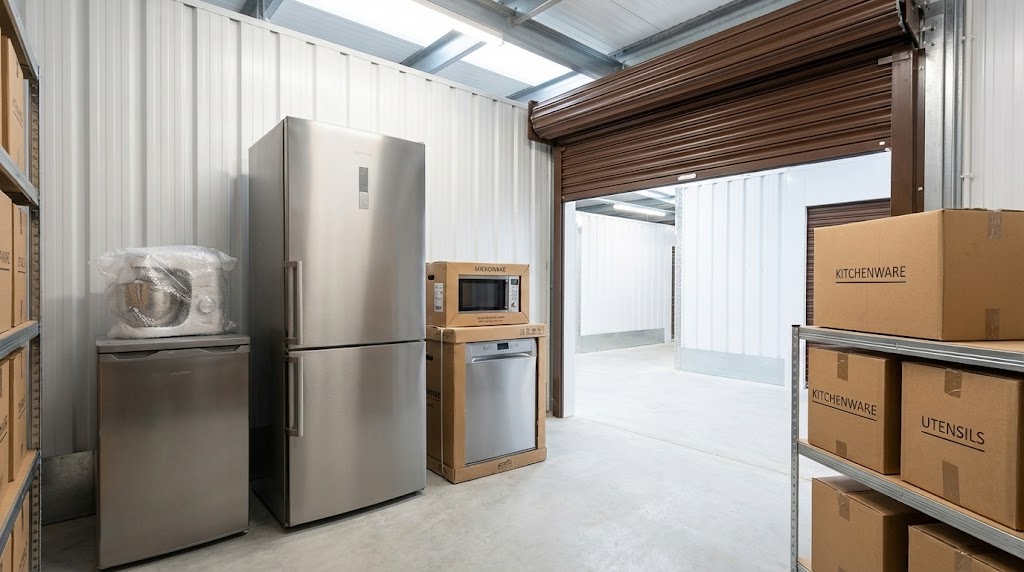
Kitchen renovations transform spaces beautifully but create significant practical challenges during work. Where do you keep expensive appliances whilst contractors demolish cupboards and rip out worktops? How do you prepare meals when your entire kitchen is a construction site? Kitchen remodel storage solves the first problem, providing secure space for appliances that would otherwise clutter homes or risk damage from renovation chaos. A proper temporary kitchen setup addresses the second, ensuring you can maintain reasonable meal preparation without relying entirely on takeaways for months.
Planning these logistics before renovations begin prevents costly mistakes and enormous frustration. Appliances damaged by construction dust or accidental impacts cost hundreds to repair or replace. Families exhausted by weeks of restaurant meals damage budgets and health. Systematic planning transforms potentially disruptive renovations into manageable projects with minimal lifestyle compromise.
This isn’t about paranoid over-preparation. It’s about protecting valuable appliances and maintaining basic household functionality during extended disruptions.
Strategic Planning Before Demolition Begins
Successful renovations depend heavily on planning that happens before first hammers swing. Once contractors start work, you cannot easily adjust arrangements. Preparation prevents problems rather than scrambling to fix them afterwards.
Comprehensive Appliance Inventory
List every kitchen appliance – large and small. Refrigerators, ovens, dishwashers, washing machines (if kitchen-located), microwaves, toasters, kettles, coffee makers, food processors, stand mixers – everything currently occupying kitchen space. This comprehensive list prevents discovering forgotten items after contractors arrive.
Categorise items by necessity during renovations. Which appliances do you genuinely need daily? Which can you manage without temporarily? Be honest about actual requirements rather than theoretical possibilities. That bread maker gathering dust for months doesn’t suddenly become essential during renovations.
Essential daily items include kettles, microwaves, small fridges, and basic cooking appliances. Non-essential items include speciality equipment, large appliances not needed immediately, and seasonal items like ice cream makers or preserving equipment.
Timeline Determines Strategy
Renovation duration fundamentally influences appropriate storage approaches. Weekend projects or single-week renovations might accommodate keeping everything on-site with protective covering. Multi-month overhauls require dedicated off-site solutions preventing homes becoming impassable obstacle courses.
Short renovations (under two weeks) often manage with on-site storage. Medium projects (two weeks to two months) benefit from hybrid approaches. Extended renovations (over two months) absolutely demand professional off-site storage for anything beyond immediate essentials.
Think of it like camping. One night under the stars requires minimal preparation. Multi-week expeditions demand comprehensive planning and proper equipment. Kitchen renovations follow similar logic.
On-Site Storage for Short Projects
Brief renovations might accommodate temporary on-site appliance storage if adequate protected space exists. This approach suits properties with spare rooms, garages, or utility areas that can accommodate covered appliances safely.
Protection Requirements
Heavy-duty dust sheets prove essential. Construction generates enormous dust quantities that infiltrate everywhere. Standard bed sheets provide inadequate protection. Proper construction-grade coverings prevent dust accumulation that clogs mechanisms and damages finishes.
Elevation prevents moisture damage. Ground-level storage risks water damage from cleaning operations or accidental spills. Raise appliances on pallets, blocks, or sturdy platforms keeping them above potential floor moisture.
Separate rooms from construction zones. Simply covering appliances in rooms adjacent to renovation areas proves inadequate. Dust migrates through smallest gaps. Genuinely separate spaces – different floors, closed doors, sealed openings – provide proper protection.
On-site storage works for brief projects but becomes impractical for extended renovations. Living amongst covered appliances for months proves exhausting and limits space usage significantly.
Professional Off-Site Storage Solutions
Extended renovations or properties lacking adequate protected space require professional kitchen remodel storage solutions. This approach provides comprehensive protection whilst freeing homes from appliance clutter during construction chaos.
Security and Protection Benefits
Professional storage facilities implement security measures homes cannot match. 24/7 CCTV monitoring, secure access controls, and individual unit alarms protect valuable appliances far more effectively than hoping contractors don’t accidentally damage items or that dust sheets remain secure.
Climate-controlled units maintain stable temperatures and humidity levels that prevent condensation damage to electronics. This protection proves particularly valuable for expensive appliances like high-end refrigerators or sophisticated ovens containing sensitive control systems.
Personal storage solutions provide the secure, clean environment that kitchen appliances require during extended storage periods without cluttering living spaces.
Selecting Appropriate Unit Sizes
Kitchen appliances vary enormously in size and storage requirements. Comprehensive renovations might involve storing substantial quantities requiring careful capacity planning.
25-50 sq ft units typically accommodate standard kitchen appliance collections – refrigerator, oven, microwave, plus smaller items and some cookware. These suit most domestic kitchen renovations.
75-100 sq ft spaces handle larger kitchens or situations where you’re storing additional household items during extensive renovations affecting multiple rooms.
For particularly substantial renovations or those involving large quantities of fixtures and fittings, container storage options offer drive-up access simplifying loading heavy appliances without navigating stairs or corridors.
Creating Functional Temporary Kitchens
Temporary kitchen setup determines whether you maintain reasonable meal preparation or resign yourselves to months of expensive, unhealthy takeaways. Proper setups accommodate basic cooking without requiring full kitchen facilities.
Location Selection
Designate specific areas for temporary kitchen functions. Utility rooms, dining room corners, or conservatories often work well. The space needs electrical outlets, proximity to water sources (even if just bathrooms for washing up), and reasonable separation from construction dust.
Don’t attempt establishing temporary kitchens immediately adjacent to renovation areas. Dust infiltration makes food preparation unpleasant and potentially unsafe. Choose locations contractors won’t need accessing constantly.
Essential Equipment
Focus on compact, efficient appliances requiring standard electrical outlets:
Small refrigerator maintains fresh food and beverages. Full-size fridges often prove unnecessary – compact models accommodate essentials whilst occupying minimal space.
Microwave enables reheating, defrosting, and basic cooking. This single appliance handles surprising meal preparation variety when used creatively.
Kettle provides hot water for beverages, instant meals, and basic cooking tasks.
Portable hotplate or slow cooker offers proper cooking capability beyond microwave limitations. Choose based on preferred cooking styles – hotplates suit quick meals, slow cookers accommodate batch cooking.
Large washing-up basin becomes essential without kitchen sinks. Utility room sinks or large plastic tubs in bathrooms enable adequate dish washing between proper plumbing restoration.
Consider Sarah and Tom’s experience during their four-month kitchen renovation. They established a temporary kitchen in their conservatory with a compact fridge, microwave, kettle, and two-ring hotplate. They used their utility room sink for washing up. This setup let them prepare simple meals – pasta dishes, stir-fries, jacket potatoes – without restaurant dependence. Their neighbours, who’d attempted managing without proper temporary setups, spent over £2,000 on takeaways during similar renovations. Proper planning saved substantial money whilst maintaining healthier eating.
Preparing Appliances for Storage
Proper preparation determines whether appliances survive storage in perfect working order or develop problems requiring expensive repairs. This preparation proves essential regardless of whether storage is on-site or professional facilities.
Critical Preparation Steps
Clean everything thoroughly. Food residue encourages pest problems and creates unpleasant odours during storage. Ovens, refrigerators, microwaves, toasters – everything requires comprehensive cleaning before storage.
Defrost freezers completely. Residual ice melts during storage, creating moisture that encourages mould and rust. Defrost fully, clean interior surfaces, and leave doors slightly ajar preventing musty odours developing in sealed compartments.
Drain water completely from washing machines and dishwashers. Residual water can freeze (damaging components), leak (creating mess), or stagnate (generating smells). Run drain cycles, disconnect water supplies, and tip appliances slightly ensuring complete drainage.
Secure moving parts and protect surfaces. Tape doors shut preventing accidental opening during transport. Wrap vulnerable surfaces – glass cooktops, stainless steel finishes – in bubble wrap or furniture blankets preventing scratches.
You can source quality protective materials – appliance covers, bubble wrap, furniture blankets, and strong tape – from the packaging shop ensuring proper protection during storage and transport.
Transportation and Positioning
Transport appliances upright whenever possible. Refrigerators and freezers particularly suffer damage when transported horizontally. Refrigerant systems require upright positioning. If horizontal transport proves unavoidable, allow appliances standing upright for 24 hours before use, letting refrigerant settle properly.
Secure items during transport. Straps, blankets, and proper loading prevent appliances shifting and damaging each other during moves. Professional removal services understand these requirements, but DIY moves require careful attention preventing damage.
Security and Accessibility Considerations
Professional kitchen remodel storage facilities provide security measures and accessibility arrangements that protect appliances whilst maintaining convenient access if you need retrieving items during renovations.
Comprehensive Security Features
24/7 CCTV monitoring provides constant surveillance protecting stored appliances. Perimeter fencing with controlled access prevents unauthorised entry. Individual unit alarms protect specific storage spaces. These combined measures ensure appliances remain secure throughout storage periods.
Newbury Self Store implements these security protocols as standard features, understanding that kitchen appliances often represent substantial financial investments deserving professional protection.
Flexible Access Arrangements
Extended access hours or 24/7 availability means you can retrieve items if renovation plans change or you discover you need stored appliances unexpectedly. This flexibility proves valuable during projects where timelines frequently shift based on contractor availability or unexpected complications.
Contract Flexibility for Unpredictable Projects
Kitchen renovations notoriously overrun initial timeline estimates. Professional contractors encounter unexpected problems – damaged subfloors, outdated wiring, plumbing complications – that extend projects beyond original schedules.
Month-by-month rolling contracts accommodate these uncertainties. You’re not locked into fixed storage terms that might prove too short (requiring expensive extensions) or too long (paying for unused months). Flexible arrangements adjust to actual project durations rather than optimistic estimates.
This flexibility particularly benefits business storage solutions users managing commercial kitchen renovations where extended closures damage revenue. Flexible terms prevent additional financial complications during already challenging renovation periods.
Making Renovations Manageable
Kitchen remodel storage combined with proper temporary kitchen setup transforms potentially overwhelming renovations into manageable projects with minimal lifestyle compromise. Your appliances stay secure and protected. You maintain basic meal preparation capabilities. You avoid thousands spent on restaurant meals. You prevent expensive appliance damage from construction hazards.
The modest investment in professional storage and temporary kitchen equipment proves trivial compared to benefits gained through protecting appliances properly and maintaining household functionality during renovations.
Ready to protect your kitchen appliances during renovations? Contact the team for straightforward advice about unit sizes, security features, and flexible arrangements supporting successful kitchen renovation projects.