
 01635 581 811
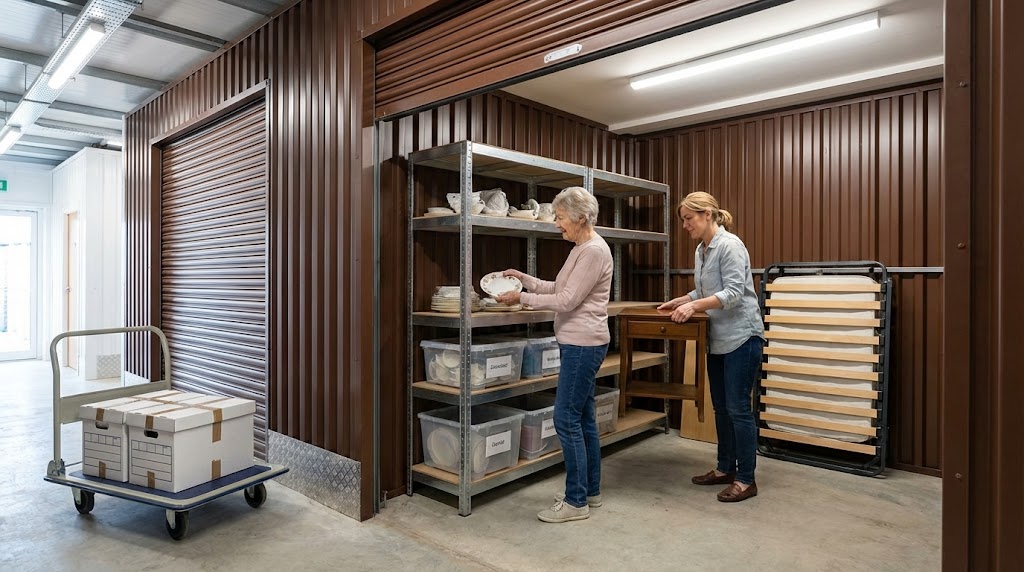
Moving elderly parents into your family residence is a significant life change for everyone. While shared living offers support and companionship, it also introduces immediate practical challenges, primarily concerning space and belongings. The successful integration of reliable storage for elderly parents is often crucial for successful shared living. The goal is to help you create a comfortable, stress-free environment for multi-generational living right from the start.
This transition involves merging routines and personal items that feel too valuable to discard. Without a strategic approach to decluttering for shared living, you risk stress, friction, and overwhelming clutter. Knowing when to use external storage is the essential element that turns a difficult move into a smooth, positive experience.
The Challenges of Shared Living
Blending two lives under one roof means tackling complex logistical hurdles, with limited space being the most common pain point. You’re combining two collections of furniture, keepsakes, and necessary household items into a space designed for only one family. Remember that every item your parents bring holds historical or emotional value for them.
Think of this process like trying to merge two streams into one river. You need to clear away any debris to create a smooth, navigable flow for both parties. Managing the physical space challenges is an essential component of comprehensive elderly parent care, ensuring a harmonious living situation long-term.
Decluttering Before the Move
Before your parents unpack a single box, engaging in a thorough decluttering session is essential. This step is about proactively creating a manageable, safe, and comfortable living space for your loved ones. This proactive focus on a respectful environment truly underpins high-quality elderly parent care.
Starting Early and Practising Patience
Don’t underestimate the emotional weight of going through decades of possessions. Allocate significant time to start the decluttering process well in advance of the moving day. Rushing this stage will only amplify emotional distress and often leads to hasty decisions that are later regretted.
For example, imagine you’re helping your father sort through old work documents or photographs. He’s had these items for over 40 years, and each folder may trigger a memory. Allow him the necessary time to reminisce and thoughtfully decide what must be kept and what can be passed on or stored.
Focusing on Needs, Not Just Sentiment
While sentiment is important, the focus during this phase must shift towards practicality and immediate necessity. Encourage your parents to prioritise items they use daily, weekly, or seasonally for the move. Discuss which possessions will actually fit and function well within their specific areas in your home.
Items like duplicate kitchen appliances, bulky holiday decorations, or equipment for forgotten hobbies can often be streamlined. You’re simply helping them focus on what they need to feel settled and happy in their new, smaller space.
Involving Your Parents in the Process
The cardinal rule of this transition is that this is their property. It’s crucial to involve your parents in every decision regarding what stays, what goes, and what gets stored. Never begin throwing away or donating items without their explicit consent.
This collaborative approach maintains their sense of dignity and control during a time of change. Listen carefully to their concerns and work together to find solutions that honour their memories while meeting the practical demands of the shared home.
Maximising Space in a Shared Home
Once the initial decluttering is complete, you must design your home layout to accommodate everyone seamlessly. Smart furniture choices and efficient vertical space use can make a considerable difference in functionality.
Smart Furniture Choices
Choose furniture that performs double duty to save precious space. Look for items such as storage ottomans or a drop-leaf dining table that can shrink when not in use. Replacing oversized, bulky pieces with more streamlined designs can open up sight lines, making rooms feel much larger.
Vertical Storage Solutions
When floor space is limited, you must think upwards. Installing high, wall-mounted shelving units or utilising tall, slim bookcases provides ample storage without eating into the room’s footprint. These solutions are ideal for displaying sentimental items or keeping everyday essentials organised and out of the way.
The Role of External Self-Storage
Even after rigorous decluttering, there will be items your parents aren’t ready to part with but cannot fit. This is where professional self-storage offers a highly flexible solution. The thoughtful use of storage for elderly parents acts as a supportive extension of your home, helping you achieve a minimalist living space.
Downsizing Without Saying Goodbye
The main benefit of external storage solutions is allowing your parents to downsize their environment without the emotional trauma of permanently parting with all their belongings. They can safely store heirloom furniture, large collections, or seasonal items. Utilising dedicated storage for elderly parents protects these treasured items in a nearby secure storage unit.
The Miller Family Anecdote
A family called the Millers was recently assisted in transitioning their mother, Margaret, into their home. Margaret was heartbroken about selling her antique sewing machine. The family rented a small, accessible unit and moved only those specific items there. Knowing her collection was safe allowed Margaret to settle into her new room happily, without feeling like she’d given up her cherished hobbies.
Seasonal and Hobby Storage
Using flexible personal storage options for items used only once or twice a year, like holiday décor or winter sports gear, frees up vital space in your closets and garage. If your parents run a side business, they can find cost-effective storage for business storage nearby. For those needing to store large or bulky furniture with drive-up access, container storage units offer the ideal solution.
Choosing the Right Self-Storage Unit
Selecting the correct storage unit means balancing practicality, security, and accessibility. You need to be confident that your parents’ belongings will be safe and easily accessible.
Considering the Unit Size
How do you know what size unit you actually need? Choosing the right unit size is much like loading the boot of your car for a long trip, you want to maximise every inch of space without crushing anything. Expert teams can help you select the ideal size based on your inventory list.
Thinking About Accessibility
Accessibility is critical for peace of mind, especially if you anticipate needing to retrieve items frequently. Look for facilities that offer convenient opening hours or, ideally, appropriate access to your unit. Drive-up access can be particularly helpful if you’re storing heavier items.
Security Matters
The facility’s security is non-negotiable. Ensure that the secure storage units you select provide robust measures to protect against theft and damage. Key security features should include perimeter fencing, 24/7 CCTV monitoring, and electronic access gates.
Packing and Organising for Storage
Proper packing techniques are vital to protect items and maximise the space within the unit. A little extra care during the packing stage saves time and frustration later.
Using Quality Packing Materials
Protecting belongings starts with quality supplies. Invest in sturdy, double-walled boxes, anti-scratch furniture blankets, and plenty of bubble wrap for fragile items. Good quality packaging supplies prevent damage from stacking and movement. You can find everything you need to prepare your items safely.
Labelling Everything Clearly
Use large, legible labels on all sides of every box, detailing the contents and the room where the items originally belonged. This simple step is an absolute lifesaver when you need to retrieve one specific item quickly.
Creating an Inventory
Create a detailed, digitised inventory list of everything stored, including the box number and the item’s general location. This inventory acts as a map of your storage unit.
Making the Transition Easier
Integrating the two households requires patience, communication, and flexibility. Be prepared for a few bumps as you adjust to shared routines and new boundaries. Openly addressing concerns is a vital element of successful elderly parent care and will smooth the path forward.
Remember, you don’t have to manage this massive task alone. Don’t hesitate to contact us to discuss your specific storage needs. Professional support makes your transition to shared living a positive and manageable experience.
Next Steps
Ready to take the next step towards a smoother transition? Expert teams can help you find the perfect storage solution today.
- Explore the flexible storage options available to help you settle in faster.
- Request a quote or get in touch with the team to secure your unit.