
 01635 581 811
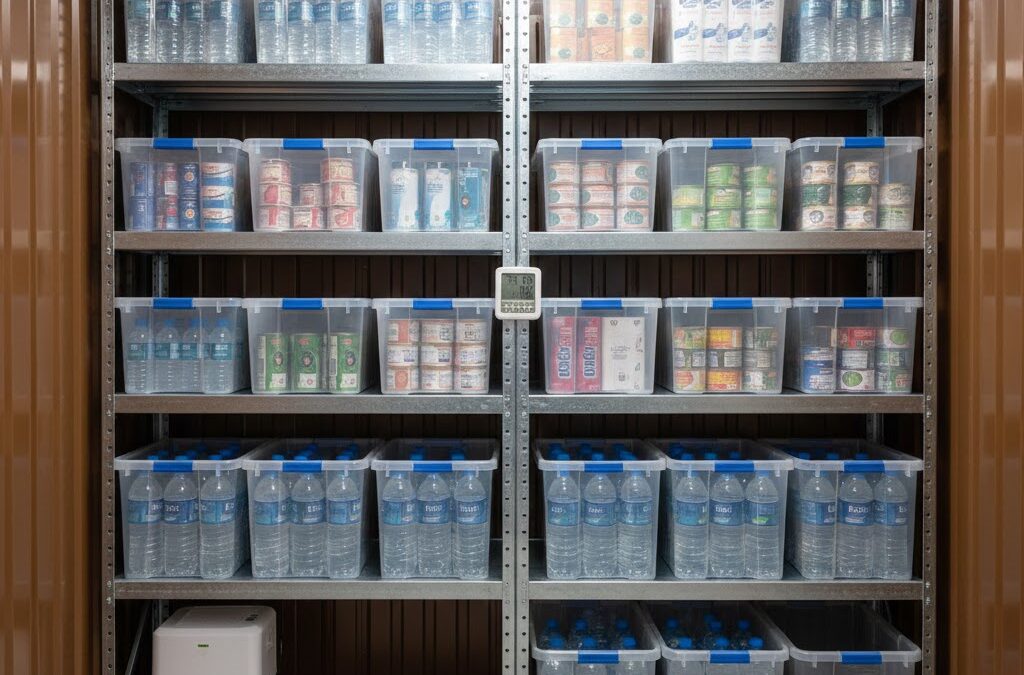
Managing space in our homes and businesses is an ongoing challenge, particularly when thinking about emergency preparedness and creating a reliable backup plan. When contemplating long-term food supply and water reserves, most people quickly run into the issue of capacity. Finding a secure, dedicated location for your off-site food storage often becomes necessary, which is why many individuals and companies turn to self-storage options. This solution can provide the perfect environment to keep essential rations safe, secure, and ready for use when you need them most.
This topic requires careful consideration, as storing food and water involves specific practical and logistical challenges that differ from storing furniture or archived documents. We’ll explore the distinct advantages and potential disadvantages of using a commercial storage unit for your supplies, ensuring you make an informed decision about the best approach for your household or business continuity plan.
Why Consider Off-Site Food & Water Storage?
Let’s be honest, space in our homes is frequently at a premium, making the prospect of dedicating an entire cupboard or garage corner to emergency rations quite daunting. Beyond simple space management, the main reasons for seeking off-site food storage revolve around security, temperature control, and ensuring genuine preparedness. When a disruption occurs, having supplies located away from a potentially affected area can prove invaluable.
Consider Sarah, a local events caterer who needs a reliable base for her non-perishable stock and equipment. Her small city flat has absolutely no room to spare, yet she needs to maintain several months of backup ingredients, sanitation supplies, and bottled water for business continuity. Storing these essential items at a professional facility, rather than trying to cram them into her existing living space, makes her operation more resilient and scalable. When planning for large volumes or specialised items, exploring business storage helps maintain operational capacity and budget control.
Maximising Space in Your Home or Office
The most immediate benefit of external storage is reclaiming the valuable square footage inside your primary property. Instead of tripping over cases of bottled water or having spare tinned goods overwhelm your pantry, you can keep your home clear and clutter-free. This is especially helpful if you’re currently moving house, decluttering, or simply need more usable space, making personal storage a practical part of modern living.
Storing items off-site allows for a much better long-term organisation strategy. You can easily create a proper system within the unit, knowing precisely what you have, how it’s sealed, and when everything is due to expire. The space you free up can then be used for daily living, a home office, or other items that need to be immediately accessible.
The Core Benefits of Using Secure Storage for Supplies
Using a dedicated facility provides substantial advantages over a shed, garage, or spare room, particularly when the long-term preservation of your emergency supplies is the main goal. These benefits centre on environment, security, and the flexibility that professional storage providers offer. The peace of mind that comes from knowing your long-term food supply is protected and monitored is significant.
Maintaining the Integrity of Your Supplies
When planning your off-site food storage, the environment matters more than you might think. A poorly ventilated area like a garage can experience dramatic temperature swings and humidity changes, which can drastically shorten the shelf life of even non-perishables. Many reputable providers offer climate-controlled storage units, maintaining a stable temperature and humidity level ideal for preservation.
Ensuring your water is stored away from direct sunlight and your canned goods are kept out of freezing or sweltering conditions significantly extends their usability. This consistency is crucial for maximising the investment you make in quality rations. Proper climate control minimises the risk of corrosion, spoiled contents, and degradation of plastic water bottles.
Security and Peace of Mind
Modern storage facilities take security extremely seriously, offering robust protection that a residential property often cannot match. Facilities are equipped with measures designed to protect your supplies from theft, vandalism, and unauthorised access. This level of protection is vital for ensuring your backup plan remains intact.
Common security features include:
- 24/7 CCTV monitoring across the entire site.
- Secure perimeter fencing and controlled gate access.
- Individual secure units customers can lock themselves.
- On-site management to promptly address any issues.
Addressing the Practical Challenges of Off-Site Rations
While the benefits are clear, it’s important to look at the other side of the coin and acknowledge the practical challenges that off-site storage presents. Honest evaluation of these potential downsides is key to creating a truly effective emergency preparedness plan that fits your lifestyle and budget. You’re committing to a routine and an ongoing expense.
Navigating Access and Logistics
The primary drawback of off-site food storage is, quite simply, distance. While the unit might be conveniently located, you still need to travel to it to retrieve supplies in the event of an emergency or to carry out regular maintenance checks. This requires reliable transport and safe access, which could be complicated by the very disruption you’re preparing for.
For those requiring frequent or heavy access, container storage options often provide a solution with drive-up access, making loading and unloading large pallets of food and water much simpler. However, you must factor in the time and effort required for the rotation of stock, ensuring older items are used before they expire.
Understanding Storage Costs and Contracts
Opting for an external unit involves an ongoing expense that must be budgeted for long-term. The cost will depend on the size of the unit and whether you choose premium options like climate-controlled storage. For businesses and households looking to store large volumes of supplies for many years, drive-up access can be a highly cost-effective option compared to traditional indoor units.
It’s essential to choose a provider that offers flexible contracts without mandatory long-term commitment. This way, you only pay for the duration you need the unit, which provides financial agility should your storage requirements change in the future. Always check the monthly cost and compare the security and features provided against the price.
Selecting the Right Inventory: What to Store and What to Avoid
When preparing your rations for storage, you must strictly adhere to the rules of long-term preservation. Not every type of food or water is suitable for extended periods in a storage unit, even one with a stable environment. Focusing on density, durability, and shelf life is key to a successful long-term food supply strategy.
You want to prioritise supplies that are non-perishable, tightly sealed, and require minimal preparation. The general rule is: if it needs refrigeration or freezing, it should stay at home.
Suitable items for storage include:
- Tinned Goods: Canned vegetables, fruits, beans, and meats (e.g., tuna, chicken).
- Dried Staples: Rice, pasta, dried beans, flour, and long-life UHT milk.
- Shelf-Stable Liquids: Properly sealed, commercially bottled water kept away from contaminants.
- Ready Meals: Dehydrated or freeze-dried meals designed for long-term survival.
- Fats and Oils: Non-hydrogenated oils stored in their original sealed containers.
You should strictly avoid fresh produce, meats, dairy, and anything that requires daily monitoring or has a short expiration date. These items will spoil quickly, creating a potential health hazard and attracting pests to your unit, which violates most storage facility regulations.
Best Practices for Secure and Long-Term Food Preservation
Successfully storing food and water in a self-storage unit comes down to planning and procedure. Like comparing an empty loft to going out in winter without a hat, one offers shelter, the other provides essential protection, the quality of your packing and procedures determines your supplies’ survival. You must treat your storage unit like a professional warehouse, not just a dumping ground.
Packaging for Longevity
The way you pack is the first line of defence against moisture and pests. You must utilise strong, professional moving boxes and packaging supplies to organise and protect your long-term food supply. Use heavy-duty, airtight containers to store loose items like dried goods, as this keeps out contaminants and pests, and helps stabilise the temperature inside.
You should clearly label everything on the outside of the box with the contents and, crucially, the “store by” or “use-by” date. This makes finding and rotating stock much easier and quicker. Regular inspections also allow you to check for any signs of damage, leaks, or pests, catching potential problems early.
Stock Rotation and Inventory Management
Effective food storage demands a regular rotation cycle. This method, often called “first in, first out” (FIFO), ensures you use the older supplies before they expire and replace them with new stock. If you neglect rotation, your entire emergency reserve could become useless over time.
Maintain a detailed, digital inventory list that tracks every item, including its location in the unit and its expiration date. This list should be updated every time you visit the unit, which should be done at least every six months. Regular inspection also allows you to check for any signs of damage, leaks, or pests, catching potential problems early.
Is Off-Site Food & Water Storage Right for You?
The decision to use self-storage facilities for your emergency supplies rests on balancing the benefits of security and space against the cost and logistical needs of access. If you have limited space, value a stable storage environment, and are prepared to commit to regular maintenance and stock rotation, then off-site food storage is an excellent solution.
Whether your needs are domestic, clearing clutter, storing furniture while renovating, or needing short-term residential solutions or commercial, there’s a range of flexible options to help you. For the business owner who needs scalable, accessible storage for equipment, archives, or extra stock, dedicated solutions provide cost-effective answers.
If you’d like to discuss the specific requirements for maintaining your long-term food supply or securing a suitable unit, please contact us for expert guidance. Having a well-planned, secure backup gives you the best chance of navigating unexpected challenges with confidence.