
 01635 581 811
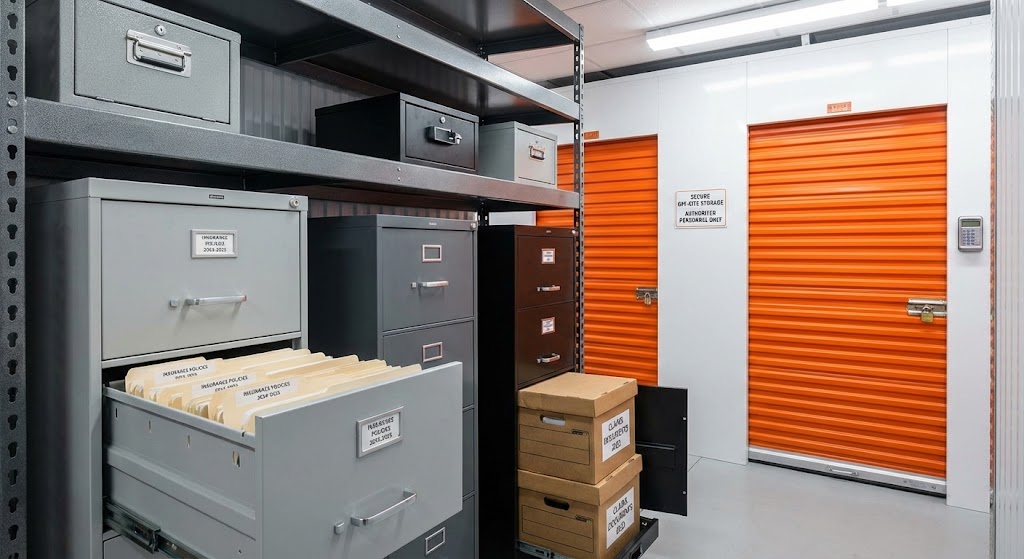
Managing essential insurance documents isn’t glamorous work, but it’s absolutely critical for running a successful business and protecting personal interests. These papers prove vital during audits, claims processes, and legal reviews, demanding both security and meticulous organisation. Understanding how to handle these materials properly eliminates future headaches whilst providing immediate confidence. Professional insurance record storage in a dedicated facility offers the most practical solution for safeguarding these important assets long-term, functioning effectively as off-site data backup for your critical information.
Why Professional Storage Makes Perfect Sense
The Space Problem Nobody Talks About
Insurance records contain highly sensitive details, and maintaining proper order often represents a legal obligation for UK companies. However, office and home space comes at a premium, and productive areas shouldn’t be sacrificed for stacks of archived paperwork. The answer lies in professional facilities designed specifically for effective insurance record storage.
This approach protects documents from physical threats whilst simplifying retrieval when you eventually need them. It’s not just storage – it’s strategic asset protection.
Reclaiming Valuable Working Space
Filing cabinets, cardboard boxes, and archive racks devour floor space that could generate income or improve quality of life. Consider Sarah Mitchell, who ran a thriving independent insurance brokerage from a compact high street office. Over fifteen years, accumulated policy files and claim documentation had consumed nearly half her workspace, forcing client meetings into cramped corners.
After moving to business storage solutions, Sarah freed up three entire walls. She transformed that reclaimed space into a proper client consultation area with comfortable seating and professional presentation equipment. Her workspace shifted from chaotic to confident overnight.
Security That Actually Works
Home offices and small businesses rarely possess the robust security protocols required to protect sensitive insurance data from theft or environmental damage. These records attract unwanted attention because they’re packed with confidential financial and personal information.
Professional storage facilities deliver advanced protection features, including comprehensive 24/7 CCTV surveillance, individual unit alarms, and strictly regulated access systems. This layered approach ensures your documents stay protected from unauthorised entry and accidental loss. Think of it like upgrading from a basic house lock to a bank vault – different leagues of security entirely.
Disaster Protection You Can’t Ignore
What happens when disaster strikes your premises? A major fire, burst pipe, or flood could instantly destroy important insurance records, creating catastrophic problems during future claims or audit processes. Storing records off-site in a specialist facility shields them completely from these localised threats.
For very large-scale archival needs, the weather-resistant protection of container storage provides ideal solutions for bulk document preservation.
Critical Documents Requiring Secure Storage
Business Insurance Archives
This category encompasses liability insurance, property coverage, vehicle fleet policies, and workers’ compensation records your business depends upon. Maintaining original copies of active and expired policies, endorsements, and related correspondence satisfies mandatory retention periods.
For e-commerce and retail operations, securely storing historical records proves invaluable during regulatory audits or legal disputes. These aren’t just papers – they’re your business’s legal shield.
Personal Insurance Documentation
This includes current and historical home insurance, contents coverage, motor vehicle policies, health insurance, and life assurance paperwork. Having these documents readily available streamlines claims processes and provides essential coverage details during stressful situations.
When calculating storage requirements, our personal storage options offer ideal solutions for keeping family records secure and accessible.
Comprehensive Claims Records
Maintain complete records of every insurance claim you’ve made, regardless of outcome. This includes supporting evidence, correspondence, and settlement documentation. This paper trail becomes critical when disputing future claims or demonstrating continuous coverage history.
Proper off-site data backup strategies ensure these vital records survive any single-point failure.
Employee-Related Compliance Documents
Businesses must retain specific insurance documents concerning staff members, particularly workers’ compensation, occupational health records, and employee health insurance enrolment details. Storing these sensitive materials securely upholds privacy regulations like GDPR.
These records demand protection ensuring only authorised personnel gain access. There’s no room for casual security here.
Preparing Documents for Long-Term Storage
Organisation Systems That Actually Work
Before packing anything, establish a system ensuring records remain organised and accessible throughout storage. Proper preparation now saves enormous time and frustration later. Don’t skip this step.
Start by sorting records logically – by policy type, financial year, or claim number. Implement a consistent, colour-coded labelling system on boxes that aligns with a master inventory document. Think of organising records like building a library catalogue: you’re creating a detailed index pointing to every item’s exact location.
Quality Materials Matter
Standard cardboard deteriorates quickly, especially with environmental fluctuations, leading to document damage. Invest in sturdy, archival-quality boxes and acid-free folders protecting records from physical deterioration.
Check the complete range of packaging supplies ensuring maximum protection for sensitive documents. Quality materials aren’t expensive – they’re essential.
Digital Redundancy Strategy
Whilst physical copies often satisfy legal requirements, digitising insurance records provides crucial redundancy and accessibility. Scan critical documents and store them on secure, encrypted cloud services or dedicated hard drives.
Regular digital backups form an essential component of comprehensive insurance record storage strategy, mitigating data loss risks effectively.
The Master Inventory
Creating a detailed master inventory of every box and its exact contents represents your most important preparation step. Keep copies both digitally and in a separate, secure location at your office or home.
This master list functions as your retrieval map, dramatically reducing time and hassle when locating specific documents. Without it, you’re essentially searching through an unlabelled warehouse.
Choosing the Right Storage Features
Sizing Your Space Correctly
Select a unit accommodating your archives without wasting money on excess space. Vertical shelving creates room for movement and access. Newbury Self Store can help assess your paperwork volume and recommend the most cost-effective dimensions.
Climate Control Essentials
Paper archives suffer damage from extreme temperature swings and humidity fluctuations. A climate-controlled unit maintains stable environmental conditions, protecting valuable records from preventable deterioration. This isn’t luxury – it’s necessity for long-term preservation.
Security Protocols That Count
Robust security proves crucial for sensitive documentation. Look for comprehensive CCTV coverage, individually lockable doors, and key-fob controlled entry ensuring only authorised individuals gain access. Half-measures don’t work with confidential materials.
Accessibility Considerations
Consider how frequently your team needs document access and choose a conveniently located facility. High-volume archives requiring regular retrieval benefit from facilities offering excellent accessibility and operational flexibility, minimising business disruption.
Understanding Legal Retention Requirements
Mandatory Retention Periods
Different record types carry varying retention periods mandated by UK law or industry standards. Businesses often must retain workers’ compensation and financial audit records for defined periods after policies expire or employees leave.
Always consult legal or accounting advisers to determine mandatory retention requirements for your specific archives. Guessing creates liability.
Privacy Regulation Compliance
Your storage solution must actively support compliance with relevant privacy regulations, particularly GDPR. Access logs require maintenance, and facility security must be verifiable and auditable.
Implementing stringent measures ensures integrity and privacy of any personal data within your secure off-site data backup system.
Secure Destruction Protocols
When documents reach their legal retention deadline, secure disposal protects client and company confidentiality. Shredding remains standard for paper documents, whilst digital records require complete wiping from all media. A clean, defined destruction process completes responsible storage management.
Achieving Genuine Peace of Mind
Using professional insurance record storage isn’t merely about decluttering – it’s actively protecting your company’s legal integrity and securing irreplaceable personal information. Whether you’re a major firm requiring long-term archival solutions or an individual homeowner organising essential documents, professional facilities offer convenient, secure, and cost-effective answers.
Remember Sarah, the insurance broker who reclaimed her office? Beyond creating efficient workspace, she gained invaluable confidence knowing her critical records were protected by commercial-grade security systems. That peace of mind transformed how she operated daily.
You don’t need to let insurance records become physical or administrative burdens. Explore secure storage options today and benefit from a more organised, confident environment. Contact our team to discuss how we can best support your archival requirements.