
 01635 581 811
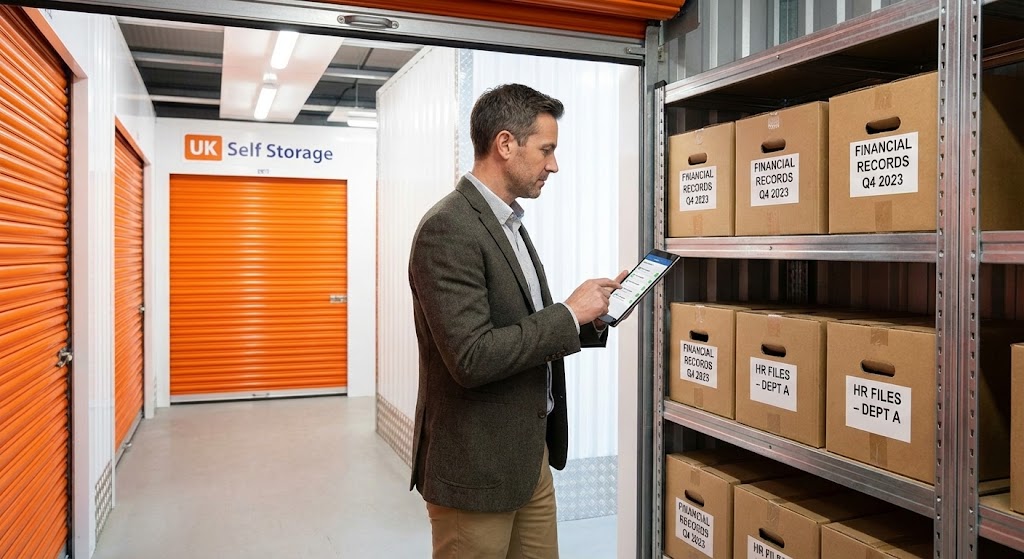
Effective storage management relies on a consistent and comprehensive inspection schedule. A meticulous approach to storage unit audits ensures your customers’ belongings remain safe and that the facility operates smoothly and legally. This process isn’t just administrative; it’s the bedrock of a trusted and authoritative compliance system.
Regular inspections demonstrate a commitment to security and professional maintenance standards. This proactive stance helps prevent minor issues from becoming costly repairs or significant security liabilities. By prioritising detailed audits, facilities maintain their reputation for providing excellent, secure, and reliable service.
Understanding the Value of Regular Security Checks
Regular audits are crucial for running a compliant and trustworthy self-storage business in the UK. These inspections serve as preventative maintenance, a crucial security layer, and a necessary compliance measure. They protect both the facility’s assets and, more importantly, the customer’s treasured belongings or vital business stock.
It’s important to understand that a well-maintained facility is the biggest reassurance you can offer potential clients. If the site is visibly well-cared for, users immediately feel more confident placing their items in your care. This dedication to facility quality translates directly into higher customer retention and positive word-of-mouth.
Protecting Your Stored Possessions
The primary benefit of conducting a unit audit is mitigating risks to contents. Audits ensure that the environment inside the units remains suitable for item longevity, especially for sensitive long-term storage. Checking for signs of dampness, pests, or temperature fluctuations is vital to protecting soft furnishings, documents, and electronics.
Consider the experience of a local homeowner who used personal storage during an extensive renovation project. They entrusted thousands of pounds’ worth of antique furniture to the facility. The regular checks performed by the storage provider ensured that an unnoticed small leak was detected and addressed immediately, preventing irreversible damage to their valuable collection. This dedication ensures the best care for all your domestic storage needs during moves or decluttering.
Adhering to UK Self-Storage Regulations
Staying compliant with local council and national regulations is non-negotiable for a professional self-storage operation. Storage unit audits cover safety, fire risk, and the handling of hazardous materials. Ignoring these regulations can lead to severe fines or even forced closure.
Furthermore, audits confirm adherence to the rental agreement, particularly concerning prohibited items list restrictions. Materials like flammable liquids, corrosive chemicals, and perishable goods are forbidden for safety reasons. Regular checks ensure that all customers are following these essential rules designed to protect the entire facility.
Planning an Effective Compliance Inspection
Preparation is arguably the most essential phase of a successful audit process. Without a clear plan and the right tools, inspections can become haphazard and unreliable. A structured approach ensures efficiency, minimises operational disruption, and guarantees consistent results across all units.
A detailed, up-to-date checklist should be the backbone of your inspection regime. This document standardises the inspection, ensuring every unit is assessed against the same criteria every time. You can’t afford to miss a potential risk just because you relied on memory.
Essential Tools and Procedures for Managers
Gathering the right equipment before starting the inspection saves valuable time and improves documentation quality. A mobile device or tablet is essential for digital record-keeping, allowing instant capture of photos and notes. A reliable torch, measuring tape, and a clear safety vest should also be a standard kit.
When scheduling, select a time that balances thoroughness with customer convenience, such as mid-morning hours when traffic is typically lighter. For facilities offering large-scale container storage options, outdoor areas must also be checked for security fence integrity, lighting, and drainage issues. This strategic scheduling demonstrates respect for customer access times.
Communicating Clearly with Tenants
Transparency builds trust, especially when conducting a unit audit that involves customer units. While access clauses are standard in rental contracts, proactively notifying customers about general inspection schedules is simply good practice. This communication reassures customers that security is taken seriously.
It’s prudent to explain that the audit is designed purely for the security and maintenance of the facility, and isn’t an invasion of privacy. Clear, professional communication regarding these procedures solidifies the facility’s role as a reliable partner in storage. You want clients to feel secure, not scrutinised.
Key Areas to Examine During a Storage Facility Audit
When conducting the walk-through, your focus should be forensic, examining everything from large structural elements to the smallest security details. Every unit and public area within the facility must be reviewed with the same level of detailed attention. A small oversight in one unit can compromise the safety of many others.
Consider the entire facility as a large, complex security vault; if one component is weak, the whole structure is at risk. This rigorous standard is what sets a premium provider apart from a budget option. It ensures that the peace of mind offered to customers is entirely justified.
Physical Condition and Structural Integrity
Check the exterior of each unit for signs of wear and tear, paying close attention to the door and frame alignment. Look for any visible cracks, rust, or water ingress that could compromise the contents inside. Even minor corrosion can weaken the structure over time, making it less secure.
Crucially, inspect all locking mechanisms and hinges for tampering or excessive wear. A malfunctioning lock offers a false sense of security, so its lock integrity must be 100% verified. Proper preparing and using high-quality packing materials is the first step in protecting your items before they enter the unit. You’ll also want to look for any evidence of pests, like droppings or nests, as early intervention is essential to prevent infestations.
Verifying Safety and Prohibited Items
Confirming that all customers adhere to the prohibited items list is vital for overall site safety. This includes checking for strong or unusual odours which might indicate banned chemicals or materials stored illegally. The risk of fire or environmental hazard from these items is too great to ignore.
Imagine a small business owner who relies on business storage to protect valuable electrical components. If a neighbouring unit suddenly develops a humidity issue or a small fire due to someone storing a banned petrol can, that business’s stock is instantly at risk. A rigorous audit protects everyone in the vicinity.
Transforming Audit Findings into Action
The audit report is only a data point; the true measure of success lies in the timely execution of required follow-up actions. An audit process is like having an insurance policy for your facility, you invest the time upfront to save on costly claims later. Don’t let valuable findings sit idle.
Effective compliance requires that every identified fault is assigned a priority level and a responsible manager. This systematic approach prevents tasks from being overlooked or delayed unnecessarily. Clear delegation ensures accountability and rapid resolution.
Prioritising Essential Repairs and Maintenance
Conducting a unit audit is crucial for identifying immediate security and structural safety issues within storage units. For example, a broken access gate sensor, a damaged lock, or active water leakage are immediate threats that must be addressed instantly. These high-priority fixes should be actioned within hours, not days.
All documented findings from storage unit audits, including photos and notes, should be logged in a central maintenance record. This record allows the facility to track repair history, identify recurring problems, and proactively plan future structural upgrades. Consistent documentation is proof of due diligence.
Ensuring Continuous Long-Term Storage Safety
Don’t view audits as isolated events; they should be part of a continuous cycle of improvement. Reviewing past audit findings helps refine the checklist and allows the facility to focus on areas that commonly present issues. This proactive maintenance schedule ensures that quality never dips.
Regular reviews of site access logs and CCTV footage also complement the physical audit. This additional layer of review provides vital data on user behaviour and access patterns. Facilities like Newbury Self Store use this combination of physical inspection and digital oversight to create a fortress of long-term storage safety.
Final Steps to Secure Your Facility’s Success
A commitment to systematic storage unit audits solidifies your position as a trusted and reliable provider in the Berkshire area. By ensuring every aspect of your operation from door hinges to digital security is flawless, you offer genuine peace of mind. Choosing a provider like Newbury Self Store means partnering with a facility that takes compliance and security seriously.
If you’re ready to partner with a facility that takes compliance and security seriously, our team is here to help you find the right space. To discuss your storage needs or to book your unit today, please contact us to speak with a Storage Solutions Adviser.