
 01635 581 811
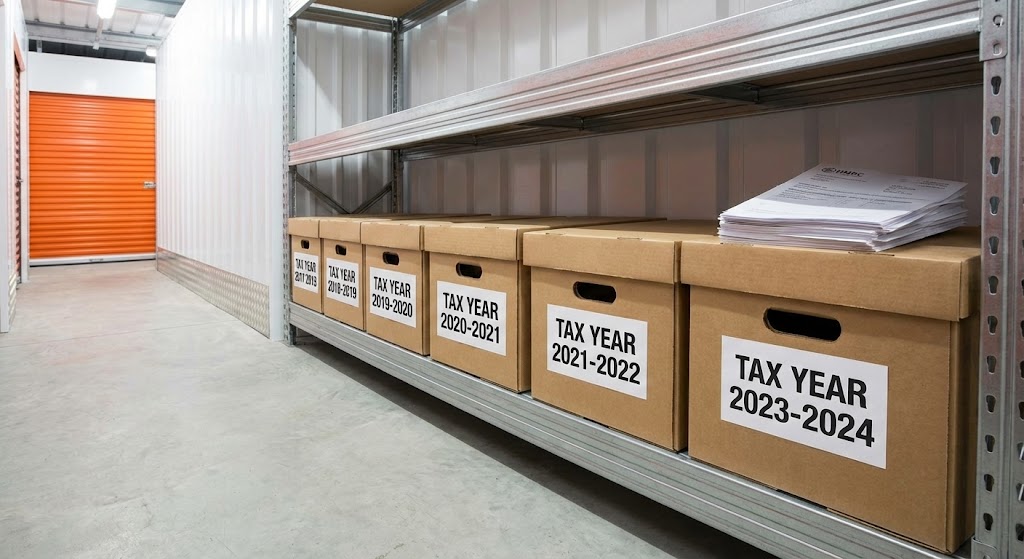
Keeping your tax records organised isn’t just about ticking a compliance box; it’s essential for peace of mind. HMRC has clear, legally mandated timelines for how long you must retain supporting financial documents. For many individuals and businesses, those documents quickly start to consume valuable space at home or in the office.
Proper tax record storage is your first line of defence against unexpected audits or enquiries from HMRC. If you can’t back up your claims with the right documentation, you could face avoidable penalties and fines. Successfully managing this process means staying compliant, protecting your assets, and maintaining control over your records.
Understanding HMRC’s Mandatory Retention Periods
Alright, let’s get into the specifics of UK tax law. For most individuals and businesses, HMRC requires you to keep your tax records for at least six years from the end of the tax year they relate to. This six-year retention rule is the general standard, but the exact endpoint can vary depending on your tax status and when you file. While UK businesses must focus on HMRC requirements, it’s worth noting that IRS record retention guidelines in the US follow similar principles, typically requiring three to seven years of documentation depending on circumstances.
It’s crucial to remember that the clock starts ticking at the end of the tax year, not the date you filed the return. You should hold onto your documents until the end of the sixth January following the tax year concerned, ensuring you’re covered against any late enquiries.
The Six-Year Rule for Individuals and Small Landlords
If you’re employed or simply manage personal income, you must retain all records related to your Self Assessment tax returns for six years. This period covers everything from dividend income and savings interest statements to records of capital gains. Maintaining these documents in organised tax record storage ensures you can verify every entry should HMRC raise any questions about an old return, helping to protect your personal finances.
Specific Rules for the Self-Employed and Companies
The rules shift slightly if you are a sole trader, in a partnership, or run a limited company. The self-employed must generally keep records for five years after the 31st of January following the tax year in question. For limited companies, it’s necessary to retain records for six years from the end of the last company financial year they relate to, or longer if the return was filed late. If you’re running a business, those document archives pile up quickly, making long-term document storage a necessity. Having reliable business storage solutions ensures these documents remain protected without cluttering operational space.
What Counts as a Tax Record? Documentation Essentials
So, what exactly constitutes a necessary tax record? Think of it as any evidence that validates the figures and deductions you declared to HMRC. It’s not just the completed tax return form itself; it’s the stack of paperwork that supports it, all of which must be kept accessible.
This extensive list typically includes documents that prove both income and expenditure:
- Invoices issued and receipts for all purchases
- Bank, credit card, and building society statements
- Records of income and expenses, often maintained in ledgers or accounting software printouts
- Wage slips, P60s, and P45s
- Records relating to assets, investments, and any sales or purchases that result in a Capital Gains Tax liability
Keeping tax records is like building an insurance policy. You wouldn’t show up to court with only a summary; you need all the supporting evidence to win your case. For homeowners or renters managing a significant amount of domestic paperwork, we offer flexible personal storage options to keep those household archives secure and separate from daily life.
Best Practices for Physical Tax Record Storage
After a few years, retaining documents at home or in a small office can become a genuine challenge. You might find yourself storing boxes of sensitive paperwork in a damp garage or an attic, which is far from ideal for proper IRS record retention or HMRC compliance. Humidity, pests, and fire risk are genuine threats to paper records.
Protecting Your Paper Assets from the Elements
Tax records are sensitive and vulnerable to environmental damage. Paper is susceptible to moisture, which can lead to mould and illegibility, potentially rendering the records useless for HMRC purposes. Effective tax record storage requires a space that offers robust protection against these threats. Our facilities provide clean, dry, and controlled environments, ensuring your valuable paper records remain in pristine condition for the entire retention period.
Organising for Quick Retrieval
When HMRC initiates an enquiry, they typically give you a specific deadline to produce the relevant records. The last thing you want is a frantic, weeks-long search. The key to successful retention is organisation:
Chronological Order: File records sequentially by tax year.
Clear Labelling: Label boxes or folders clearly (e.g., “Tax Year 2021-2022 – Trading Income”).
Separation: Separate business records from personal ones if you are a sole trader.
We once had a local independent tradesman, Mr. Davies, who had kept all his records in the back room of his shop. One evening, a minor pipe burst soaked five years of expense receipts. Because he hadn’t invested in proper off-site storage or digitised backups, the subsequent HMRC investigation was far more complex and stressful than it needed to be. His story highlights why a dedicated, secure space is indispensable.
Self-Storage: The Secure, Off-Site Solution
After years of accumulation, tax records can easily take over a spare bedroom or office cupboard. This is where professional self-storage provides a cost-effective and secure solution for tax record storage. Instead of sacrificing valuable living or working space, you can move those dormant, but essential, documents to a dedicated archive.
The facility at Newbury Self Store offers multiple benefits over keeping documents in-house, especially for businesses requiring maximum security and compliance:
Enhanced Security: We provide 24/7 CCTV monitoring, secure access control, and robust unit locks, significantly reducing the risk of theft or unauthorised access.
Space Saving: Free up commercial office space or domestic living areas by consolidating your long-term archives into a compact storage unit.
Flexible Access: You retain control, allowing you to access your records when required without delay.
Whether you need a compact unit for document retention or a larger space for extensive commercial archives, we offer flexible contracts tailored to your needs. If you’re managing bulky documents or many boxes of invoices, you might find our robust container storage solutions, designed for large volumes, particularly beneficial for long-term use.
The Digital Approach: Digitising and Backing Up
In the modern age, many people choose to digitise their records, which is a great space-saving measure. Scanning your documents and storing them electronically allows for much easier searching and retrieval. You can keep your tax files on a secure, encrypted drive or use a trusted cloud service for backups.
When going digital, however, be meticulous. Scans must be clear, legible, and unalterable, usually saved in PDF format. Importantly, while HMRC generally accepts digital copies, they do reserve the right to request original paper documents in certain cases. Therefore, it’s usually best practice to keep the original paper records for the full retention period, secured safely in self-storage. To safely transport and organise your records for storage, you might need purpose-built removal boxes and strong tape, which you can find in our selection of high-quality packaging supplies.
Secure Disposal: When and How to Shred
Once the statutory retention period has safely passed, you can finally dispose of your records. But never just toss them in the household bin. Your tax records contain highly sensitive personal and financial data. Improper disposal poses a severe risk of identity theft or business fraud.
Secure shredding is the only acceptable method for paper records. For digital files, make sure to delete them permanently, not just moving them to the recycling bin. Overwriting data on hard drives or using certified data destruction software ensures the information cannot be recovered. Disposing of records safely is the final, crucial step in your tax record storage strategy, protecting your security long after your tax obligation is settled.
Key Takeaways and Next Steps
By adhering to HMRC’s retention rules and implementing structured storage practices, you safeguard yourself and your business against unnecessary stress and penalties. Remember the key points:
- The standard minimum retention period is six years from the end of the relevant tax year
- Protect your paper documents from damp and pests, which can render them invalid
- Organisation is paramount: label and file everything chronologically for fast retrieval
- Consider the principles of IRS record retention if you have international tax obligations alongside your UK responsibilities
Tax record management doesn’t have to be a burden on your home or office space. If you’re running out of room, or simply need more secure, off-site protection for your documents, the team at Newbury Self Store can guide you. We’re here to help you find the perfect size unit for your needs, so don’t hesitate to contact us today.