
 01635 581 811
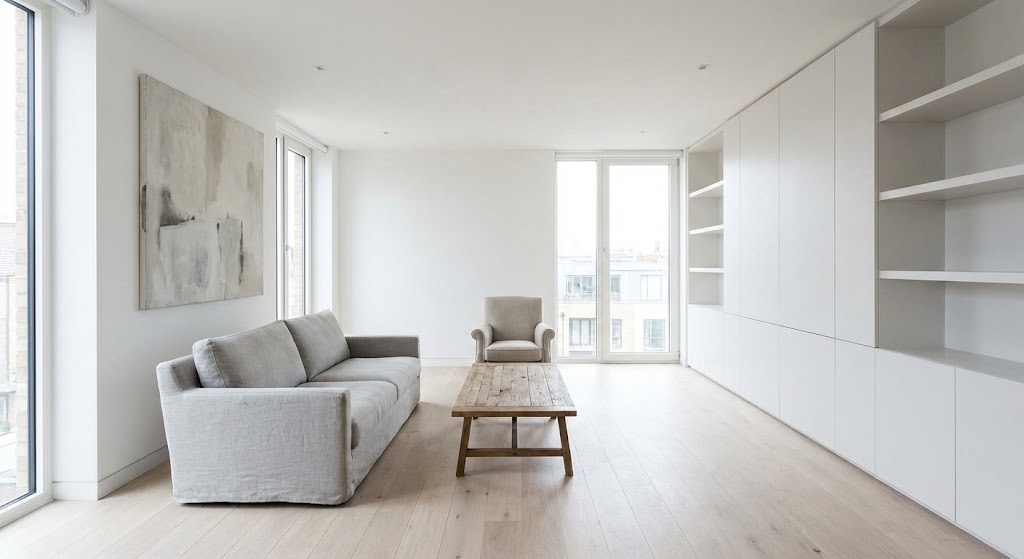
Minimalist living clashes with the idea of self-storage. Why store possessions if the goal is to own less? The truth is that using innovative storage practices allows people to curate their immediate living space intentionally, supporting a clutter-free environment and a focused mind. This flexibility is vital, enabling you to simplify life without immediately discarding valuable items. A dedicated storage unit in Newbury acts as a practical buffer, securely holding seasonal gear, excess furniture, or long-term archives. We’ll explore how this practical solution helps UK homeowners, renters, and business owners achieve genuine, sustainable minimalism.
What is Minimalist Living?
Minimalist living isn’t about owning the bare minimum; it’s about intentionally surrounding yourself with only the things you truly need and love. This philosophy focuses on freedom from clutter, allowing energy to shift toward experiences and relationships rather than possessions.
Think of it as choosing quality over quantity, like curating a versatile, high-quality wardrobe instead of having an overflowing closet. Embracing minimalism brings profound calm and clarity: when your personal space is clear and meticulously organised, your mind naturally follows suit. This method is fundamentally about intentional living, not deprivation, offering valuable minimalist lifestyle tips for a more focused existence.
How Self-Storage Supports Minimalism
Self-storage is a powerful tool, not a contradiction, in the minimalist journey. Minimalist storage solutions create a thoughtful boundary between items needed daily and items that are useful but not necessary for immediate life. This separation allows you to maintain a tidy, simplified home environment while retaining important belongings for the future.
This method gives you the vital space and time required to declutter without facing immediate, drastic, or emotional decisions. For example, a young couple downsizing from a three-bedroom house to a smaller flat chose to store family heirlooms and antique furniture through personal storage. They weren’t ready to part with these sentimental pieces, but didn’t want them dominating their reduced living space. Their dedicated unit allowed them to enjoy the downsized flat immediately, delaying those permanent decisions until they were ready.
Decluttering Your Home with Self-Storage
Using self-storage effectively starts with a systematic approach to decluttering. Begin by addressing one room or area at a time; this prevents overwhelm and keeps the process manageable. Be honest with yourself about how often you actually use certain items, setting aside nostalgia for a moment to evaluate practicality.
It’s helpful to categorise everything into three distinct groups. The first is ‘keep’: these are the essentials that enhance your daily life. The second is ‘donate/sell’: items that hold value but are no longer needed.
The third category, and the focus here, is ‘store’: items you wish to retain long-term or temporarily, such as hobby equipment or financial archives. This process is often emotional, so don’t rush it.
Preparing Items for Long-Term Storage
The success of your minimalist strategy depends heavily on how well you prepare items for storage. Careful packing prevents damage and makes it easy to retrieve items later on. Always use sturdy, uniformly sized boxes for efficient stacking and protection.
You should use high-quality protective materials like bubble wrap, packing paper, and robust tape to secure everything. Ensure your belongings are secure and use professional-grade moving boxes available at our packaging supplies shop. Clear and comprehensive labelling is essential; list the contents of each box on the outside and consider assigning a number to track inventory digitally.
Choosing the Right Storage Unit Size
Choosing the right unit size is a crucial financial and logistical decision. You shouldn’t pay for unused space, but cramming items also hinders retrieval. Selecting the right size is like choosing a van for a move: you need adequate space for safe handling.
Newbury Self Store offers a variety of sizes designed to meet diverse needs, from small lock-ups to vast container storage options that are perfect for drive-up access and large volume requirements.
Small Units (25–50 sq ft): Perfect for decluttering projects, storing seasonal items, large suitcases, and numerous boxes of books or files.
Medium Units (50–100 sq ft): Suitable for the contents of a one- or two-bedroom flat, including major appliances and furniture like beds and sofas.
Large Units (100+ sq ft): Ideal for storing the entire contents of a large family home during a move or for extensive commercial inventory.
If you’re unsure of the perfect fit, it’s always best to discuss your exact requirements. Our team of storage advisers can help you assess your volume and recommend the most cost-effective solution.
Security and Access: Peace of Mind for Minimalists
For items you choose to keep out of your home, security becomes paramount. A key principle of minimalism is reducing worry, and knowing your possessions are safe contributes significantly to this goal. To learn more about our commitment to security and local services, check out Newbury Self Store.
All secure storage units benefit from robust, modern security measures, ensuring complete protection for both short- and long-term storage.
24/7 CCTV Monitoring: High-definition cameras continuously monitor all entry points and internal areas.
Perimeter Fencing and Lighting: Secure fencing and ample lighting deter unauthorised access.
Individual Unit Locks: You retain the key to your own unit, ensuring exclusive access.
On-Site Personnel: A local, experienced team manages the site, adding an extra layer of trustworthy security.
Practical Applications of Minimalist Storage
Minimalism is not a static state; it requires ongoing management. Minimalist storage solutions offer flexible contracts that adapt to evolving needs, whether you need storage for a few weeks or many years.
Seasonal and Business Stock Management
Items used infrequently, like bulky winter sports gear or Christmas decorations, are a major source of domestic clutter. Keeping them in a dedicated unit ensures they’re protected but out of sight, freeing up your garage or spare room for daily living.
Minimalism also applies to business operations. Instead of cluttering valuable office space with documents or accumulating excess stock, businesses can benefit significantly from dedicated business storage solutions. This is more cost-effective than renting larger commercial premises, allowing owners to scale operations while maintaining a clear, professional environment.
Organising Your Unit for Seamless Retrieval
Your storage unit should function as a well-managed archive, not a dumping ground. An effective organisation supports your simplified lifestyle by making stored items easy to retrieve, preventing future stress.
Map the Space: Sketch a plan before loading, designating sections for different item types (e.g., furniture along the back, boxes stacked by category).
Maximise Height: Use shelving units to capitalise on vertical space, keeping boxes off the floor for better air circulation and easier access.
Create Pathways: Leave clear, accessible pathways to the back of the unit, critical if you plan to access your belongings regularly.
Place Essentials Last: Items you expect to need sooner should be placed near the unit entrance for quick retrieval.
Maintaining Your Minimalist Lifestyle
Using self-storage is the first step, but true minimalism requires maintenance. Develop mindful habits to keep clutter from creeping back into your life. These minimalist lifestyle tips form the foundation of sustainable, intentional living.
Regularly Review Stored Items
Visit your unit every few months to reassess what you’re storing. Items you haven’t needed may be candidates for donation or sale, allowing you to downsize your unit and save money. Think of this as a seasonal wardrobe audit – if you haven’t worn something in a year, it’s probably time to let it go.
Be Mindful of New Purchases
Implement a ‘one in, one out’ rule. Ask if a potential purchase genuinely improves your life or simply adds to the clutter you’re eliminating. Does it serve a clear purpose, or are you buying it because it’s on sale?
Focus on Experiences
Prioritise personal growth, travel, and relationships over accumulating material goods. Minimalism helps you stay aligned with these priorities. The memory of a weekend camping trip with your children will outlast any possession you could buy.
Key Takeaways
Minimalism is about intentional living and focusing on what truly matters, not about deprivation.
Self-storage provides the essential space required to declutter without pressure, acting as a crucial transition zone.
Choose the right storage unit size based on careful inventory, and consider large-scale options for long-term needs.
Maintain peace of mind by relying on high-level 24/7 CCTV monitoring and individual unit security.
Effective organisation, including clear labelling and pathways, turns your unit into a functional archive.
The journey requires ongoing effort, including regularly reviewing stored items and avoiding impulse purchases.
Next Steps
Ready to experience the liberating clarity of minimalist living? We’re here to help you find the right solution. For a fast, tailored quote or to discuss your specific storage requirements with an expert, please contact us today.
Minimalist living is an incredibly liberating process, and with the help of innovative storage practices, you can quickly create a life and a space that reflects your values.