
 01635 581 811
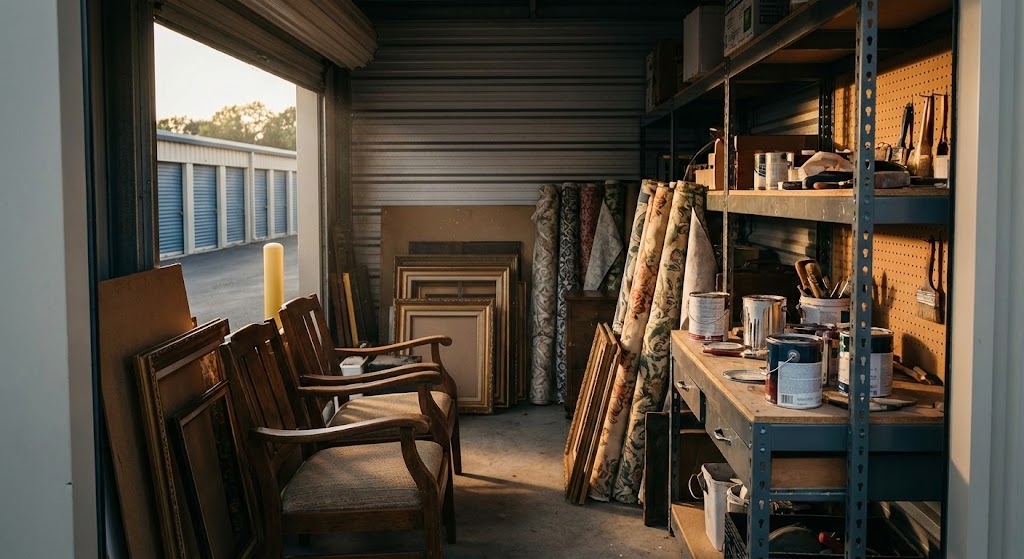
Transforming old, unwanted materials into valuable, unique items is an enriching experience that’s capturing the imagination of creative homeowners and small business owners across the UK. Upcycling involves taking used items that might otherwise be discarded and giving them a beautiful second life. However, accumulating furniture, textiles, and materials can quickly overwhelm your home or workshop, turning a fun hobby into a stressful mess. Smart storage solutions offer the secure, flexible space you need to plan, prepare, and protect your projects before the creative transformation begins.
For UK homeowners and entrepreneurs running small creative businesses, self-storage is the essential foundation for organised upcycling success.
Understanding the Value of Creative Repurposing
Upcycling is more than just a trend, it’s a brilliant strategy for sustainability and cost-effective design. It differs fundamentally from recycling, where materials are broken down and remade, by focusing on creative reuse and adding significant value to the existing form.
The Difference Between Upcycling and Simply Recycling
Upcycling transforms discarded items into new, functional, and often improved objects, elevating their quality or aesthetic rather than breaking them down. Unlike recycling, which reprocesses materials (think plastic bottle to new plastic), upcycling repurposes items (plastic bottle to desk organiser or art), preserving energy and reducing waste.
This form of creative reuse is a brilliant way to reduce landfill contributions and save money on expensive new furnishings. Taking that dusty old wooden ladder from the shed and turning it into a quirky, functional bookshelf is a classic example of adding value and personality to an item destined for the skip.
Why Upcycling Requires Strategic Storage Space
The primary challenge for any keen upcycler is space management. You need a dedicated area to collect potential items, clean and prepare them, and store them whilst you source paint, fabric, or hardware, but not at the expense of your living space becoming chaotic.
Personal storage solves this dilemma instantly. It gives you room to breathe at home, ensuring your living space remains tidy whilst your creative projects incubate securely elsewhere. You’re not just renting space; you’re buying time and organisation.
Having a unit means you can snap up bargains, whether it’s a bulk purchase of vintage textiles or a set of old wooden crates, without needing immediate room for them. This flexibility is a game-changer for those committed to a successful upcycling lifestyle.
How Self-Storage Becomes Your Creative Workshop Base
A reliable storage unit acts as the staging area for your upcycling business or hobby, providing the essential infrastructure for handling inventory and raw materials safely. The security and environmental controls are crucial for protecting sensitive items like wood, fabric, and old paper archives.
Protecting Your Upcycling Materials Investment
Protect valuable upcycling materials like antique furniture or delicate textiles from environmental damage by using secure storage units. This keeps items in optimal condition for transformation. Consider the difference: storing vintage leather in a damp garage versus a properly maintained unit could mean the difference between a successful restoration and ruined material.
For materials like old leather, antique paper, or intricate wooden pieces, considering a climate-controlled storage unit is a smart move. These units maintain a consistent temperature and humidity level, preventing the material damage that would otherwise derail your hard work and investment.
Ideal Unit Sizes for Upcycling Inventory
The right unit size for upcycling depends entirely on the scale of your projects. If you’re a homeowner storing a few pieces of furniture and many boxes of salvaged fabric, a smaller 50 sq ft unit might suffice. For a larger-scale operation, perhaps a small furniture restoration business, you might need a much bigger space.
For items that are large, awkward, or require drive-up access, exploring robust container storage could be the most efficient option.
Remember, the items must be accessible, so don’t just stack them randomly. You need to be able to access all sides to clean and inspect items periodically. It’s like a chef prepping ingredients: you wouldn’t start baking a complex cake without first gathering and protecting the flour, sugar, and eggs. Similarly, your materials need their designated, safe space.
Strategic Planning: Managing Your Inventory with Confidence
A well-organised storage unit is the secret weapon of the successful upcycler. Before you start storing items, a systematic approach to decluttering and organisation will save you time and frustration down the line.
Sorting, Documenting, and Organising Materials
Before moving anything to your chosen facility, have a good clear-out at home. This preparation phase involves separating items into “definite upcycles,” “potential projects,” and “donations.” Once you’ve got your viable inventory, carefully sort and label everything.
Take photos of each item before it goes into storage and maintain a simple digital inventory list. This allows you to plan your projects from the comfort of your home without having to visit the unit simply to remember what materials you have available. When storing your materials, using high-quality packaging materials to protect delicate parts, like wrapping glass panels or securing furniture legs is non-negotiable.
The Power of an Organised Staging Area
A successful upcycling project depends on having the right materials at the right time. Designating zones within your unit can streamline your process dramatically. You might allocate one wall for large furniture pieces, another corner for boxed fabrics, and a separate rack for small metal hardware.
Sarah, a local Berkshire artist, used her storage unit as a crucial holding space. She spent months collecting vintage windows and doors from various auctions. By storing them safely off-site, she could take her time sourcing the perfect stained glass panels and custom hardware without rushing the build. This allowed her to transform the pieces into stunning garden conservatory partitions, which wouldn’t have been possible had they been exposed to her damp garage whilst she planned. Patience paid off.
From Clutter to Creation: Inspiring Project Ideas
Once your materials are safely stored, the fun part begins: visualising the finished product. Your unit is now ready to hold the raw materials for dozens of exciting projects, ensuring they’re protected until you’re ready to start work.
Generating Practical Upcycling Storage Ideas
A popular and rewarding area of upcycling focuses on creating new organisational solutions for the home. Upcycling storage ideas can range from turning old wooden crates into modular, stackable bookshelves to transforming vintage suitcases into creative, deep drawers. These projects not only look fantastic but also solve a practical problem in your home.
The best upcycling storage ideas are those that are simple to execute yet deliver significant impact and functionality. You can also use salvaged glass jars, tin cans, or wooden boxes to create custom organisational containers for your office or kitchen.
Making these ideas a reality requires the space and time that self-storage provides for cleaning, sanding, and priming the base materials. But what happens when you realise you’ve collected more materials than anticipated? That’s where having flexible storage becomes invaluable.
The Rewards of Repurposing Used Items
The creative satisfaction of repurposing used items is immense. Taking an item that was considered rubbish and giving it a beautiful second life is not only sustainable but also allows you to inject a unique personality into your home décor. Whether you’re working with textiles, old hardware, or furniture, every piece offers a unique challenge and opportunity.
Successfully repurposing used items requires patience, as sourcing the materials and finding the right inspiration takes time. By using self-storage, you eliminate the pressure to start immediately. This flexible timeline is crucial when waiting for that perfect piece of fabric or unique set of handles to complete your vision. Don’t rush it.
Finding Affordable Storage Options for Creative Businesses
Many creative entrepreneurs who resell upcycled goods find that self-storage offers much better value and flexibility than renting traditional commercial space. This is a cost-effective way to scale operations without committing to long-term leases and high utility bills.
Business Use Cases for Upcycled Stock
If you run a small furniture restoration or bespoke décor business, business storage for your inventory is a decisive move. You can use your unit for holding finished products awaiting shipment, storing materials between projects, and archiving business documents. This strategic use of affordable storage helps keep overheads low and profitability high.
The ability to access the unit during extended hours is often essential for business operations. Reliable, secure access makes it convenient to pick up materials or drop off finished pieces, aligning with your working day and creative schedule.
Next Steps for Your Upcycling Journey
Upcycling is a fantastic journey that turns your creative ideas into tangible, beautiful, and sustainable pieces. With the right storage partner, you can manage your material collection effectively, ensuring every treasure is kept safe until the moment of its transformation.
Are you ready to clear the clutter from your home and create a secure, accessible base for your next project? Newbury Self Store offers flexible storage solutions tailored to creative individuals and small businesses. The expert team is ready to assist you in finding the perfect unit size and provide guidance on protecting your valuable materials.
For more information about available unit sizes and to request a free, no-obligation quote, contact the team today.