
 01635 581 811
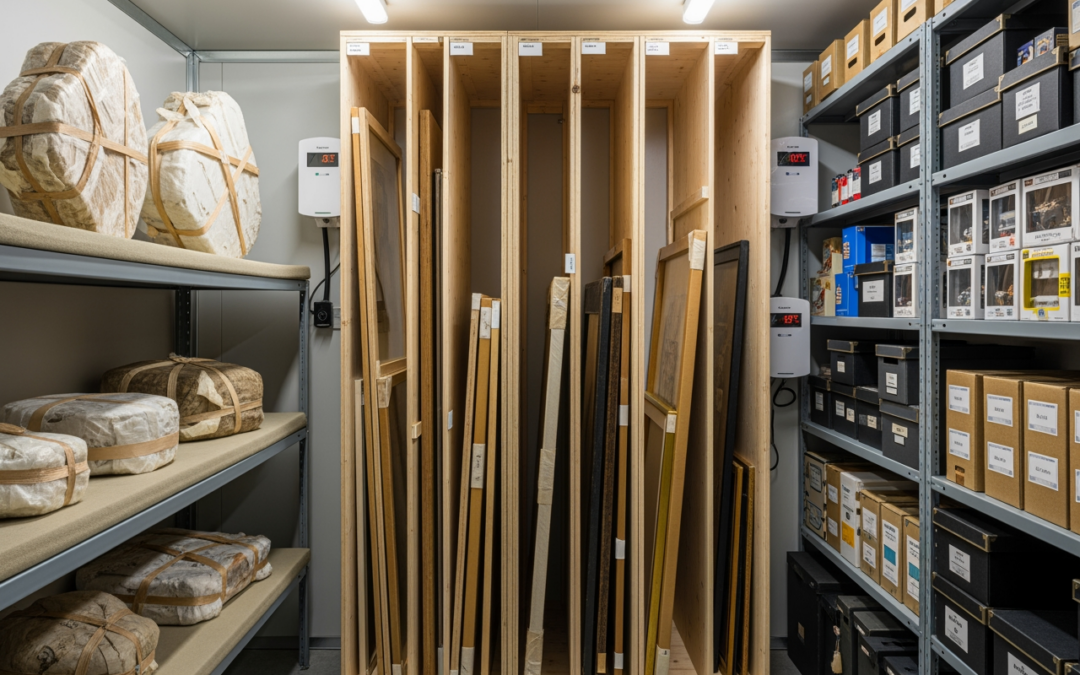
That beautiful oil painting inherited from your grandmother, the first edition novel you hunted down for years, or perhaps a delicate sculpture that’s the centrepiece of your collection, these are not just items; they are treasures. They carry financial worth, certainly, but often, more importantly, they hold immense sentimental value. When your focus is on protecting rare collectables, especially valuable artworks, simply stashing them in a spare room, the attic, or a standard garage just is not sufficient. These everyday spaces, seemingly benign, can be silent destroyers of your most cherished possessions. Understanding how to properly care for them, particularly when they need to be stored away, is paramount. This is where the specialised environment of climate-controlled units truly demonstrates its worth.
Why Do Your Prized Artworks and Collectables Demand More Than Just a Spare Room? The case for protecting rare collectables
It’s a common enough scenario. You have run out of display space, you are downsizing, or perhaps you are renovating, and suddenly your valuable collection needs a temporary home. The loft seems airy enough, or the spare bedroom cupboard looks okay, right? Unfortunately, these typical household spots can be ticking time bombs for delicate items.
The Hidden Dangers Lurking in Ordinary Storage Spaces
Think about your average British attic or garage. They are often uninsulated, leading to wild temperature swings, freezing in winter, and baking in summer. Basements can be damp, a breeding ground for mould and mildew. Even a seemingly stable spare room can suffer from fluctuating humidity levels, especially with central heating clicking on and off or windows being opened and closed. Dust, pests, and even light exposure can all contribute to the gradual, or sometimes rapid, deterioration of sensitive materials. For anyone serious about the task of protecting rare collectables, recognising these environmental threats is the first crucial step.
Understanding the Unique Vulnerabilities of Art and Collectibles
Different materials react to their environment in different ways, but almost all valuable artworks and collectables are sensitive to instability.
- Paintings (Oils, Acrylics, Watercolours): Canvases can expand and contract with temperature and humidity changes, causing paint to crack, flake, or bloom. Wooden frames can warp or split. Watercolours are particularly susceptible to moisture damage and fading from light.
- Paper-Based Items (Prints, Photographs, Documents, Books): Paper can become brittle in dry conditions or absorb moisture, leading to foxing (those unsightly brown spots), mould growth, and pages sticking together. Inks can fade or run.
- Textiles (Antique Clothing, Tapestries): Fabrics can weaken, discolour, and become attractive to pests like moths if not stored correctly. Humidity can encourage mould and mildew.
- Wooden Items (Sculptures, Antique Furniture): Wood is hygroscopic, meaning it absorbs and releases moisture from the air. Fluctuations can cause it to swell, shrink, crack, or warp. Glues can fail, and veneers can lift.
- Photographic Materials (Negatives, Prints): These are highly sensitive to temperature and humidity, which can cause chemical degradation, fading, and sticking.
It’s clear that these precious items need a far more controlled environment than your average household space can offer. This is precisely why effective collectables climate control is not a luxury, but a necessity for serious collectors.
What exactly is “Collectables Climate Control” and How Does It Work for protecting rare collectables?
You have likely heard the term “climate-controlled storage,” but what does it actually mean, especially in the context of protecting rare collectables like artworks? It is about creating a stable, managed environment that mitigates the risks posed by extreme or fluctuating conditions. Think of it as a five-star hotel for your valuables, offering superior collectables climate control.
Temperature: The Constant Battle for Stability
Extreme heat can accelerate chemical degradation in many materials, causing them to become brittle or discoloured. Extreme cold can also cause issues, making certain materials contract and potentially crack. More damaging than consistent high or low temperatures, however, are rapid fluctuations. When temperatures swing back and forth, materials expand and contract repeatedly, putting immense stress on their structure. A climate-controlled unit maintains a consistent temperature range, typically between 13°C and 21°C (55°F and 70°F), preventing these damaging cycles. This stability is key for long-term preservation.
Humidity: The Silent Threat to Your Treasures
Relative Humidity (RH) refers to the amount of moisture in the air. Too high, and you risk mould, mildew, corrosion on metals, swelling of wood, and paper degradation. Too low, and organic materials like paper, wood, and canvas can dry out, becoming brittle and prone to cracking or warping. An effective collectables climate control system aims to keep RH within a stable range, usually between 45% and 55%. This ‘Goldilocks zone’ is just right for most valuable artworks and collectables, preventing the destructive effects of excessive dampness or dryness.
Air Quality: More Than Just a Breath of Fresh Air
Beyond temperature and humidity, good air quality is also important. Climate-controlled units often have better air circulation and filtration systems than standard units. This helps to reduce the presence of dust, pollutants, and even airborne mould spores that could settle on and damage your collectables. For items like delicate textiles or sensitive photographic materials, cleaner air can make a significant difference in their long-term preservation.
The Essential Guide to Preparing Your Artworks for Climate-Controlled Storage
Choosing a climate-controlled unit is a fantastic step, but how you prepare your artworks before they go into storage is just as crucial for protecting rare collectables. A little effort upfront can save a lot of heartache later.
Cleaning and Assessment: The First Crucial Steps
Before you wrap anything, ensure it is clean. Dust and surface dirt can become ingrained over time or even attract pests. For paintings, a gentle dusting with a soft, natural-bristle brush is usually sufficient. If more intensive cleaning is needed, consult a professional art conservator; DIY attempts on valuable pieces can often do more harm than good. Assess each piece for any existing damage. Note any loose paint, cracks, or signs of previous pest activity. This will help you track its condition over time.
Choosing the Right Protective Materials for Your Items
The materials you use to wrap and cushion your artworks are vital. Avoid standard plastics like bin liners or bubble wrap placed directly against painted surfaces, as they can trap moisture or leave imprints over time.
- Acid-Free Materials: Always opt for acid-free tissue paper, archival paper, or unbleached cotton sheets as the first layer of contact, especially for paintings, prints, and textiles. This prevents chemical reactions that can cause yellowing or degradation.
- Padding: For framed artworks, corner protectors are a must. Use bubble wrap (with the bubbles facing outwards if there’s a protective layer of paper underneath) or specialist foam padding for cushioning. Ensure canvases are not pressed against anything that could cause dents.
- Boxes: Use sturdy, appropriately sized boxes. For prints or unframed artworks, consider acid-free archival boxes. Never overpack a box, as this can cause crushing. You can find a great range of suitable items by exploring our packaging supplies right here at Newbury Self Store. Our selection is designed to offer the best protection, and our team can advise on the ideal choices for your specific artworks, ensuring they are well-protected from the outset.
Documentation and Inventory: Your Peace of Mind Record
This is a step many people skip, but it is incredibly important. Create a detailed inventory of every item going into storage. For each artwork, include:
- A clear photograph (or several from different angles).
- Dimensions.
- A description of the medium and subject.
- Any known provenance or artist information.
- Notes on its current condition.
- Its estimated value (for insurance purposes).
Keep one copy of this inventory with you and consider storing another digital copy securely online. This record is invaluable for insurance, for tracking your collection, and for your peace of mind.
Finding the Ideal Climate-Controlled Sanctuary for Your Collection in Newbury
Once your artworks are prepped and ready, the next step is choosing the right facility. Not all self-storage is created equal, especially when climate control and protecting rare collectables are your priorities.
What to Look For in a Self-Storage Facility
When entrusting your valuable artworks to a storage facility, look beyond just the price. Consider:
- True Climate Control: Confirm that they offer genuine climate control (temperature and humidity) and not just “temperature cooling” or basic ventilation. Ask about the ranges they maintain.
- Security: Robust security is paramount. Look for CCTV surveillance, good lighting, secure access controls (like keypad entry), and individually alarmed units if possible.
- Cleanliness and Pest Control: The facility should be spotlessly clean and have a regular, professional pest control programme in place.
- Accessibility: Consider when you will need to access your items. Check the facility’s access hours and ensure they are convenient for you.
- Reputation and Reviews: Look for online reviews and testimonials. What are other customers saying about their experience, especially regarding the care of delicate items?
Questions to Ask Before You Commit
Do not be shy about asking detailed questions. This is about protecting rare collectables that are important to you.
- “What specific temperature and humidity ranges do you maintain in your climate-controlled units?”
- “How often are these levels monitored and adjusted?”
- “What happens in the event of a power outage? Do you have backup systems for your climate control?”
- “Can you describe your pest control measures?”
- “What security features are in place to protect my specific unit?”
- “Do you offer insurance, or will I need to arrange my own?” (Always ensure your collection is adequately insured).
Why Newbury Self Store Could Be Your Collection’s Best Friend for protecting rare collectibles
Here at Newbury Self Store, we understand the unique storage needs of those with valuable collections. We pride ourselves on offering top-notch, secure storage solutions. When you need effective collectibles climate control, our team is committed to discussing your requirements to help find a suitable environment within our facility. Our facilities are modern, clean, and equipped with excellent security features. We believe in transparent, friendly service and are always happy to answer your questions to ensure you have complete peace of mind.
Beyond Art: What Other Collectables Thrive in Climate-Controlled Environments?
While this article focuses on artworks, the benefits of collectable climate control extend to a wide array of other treasured items. If you collect any of the following, specialised storage is highly recommended:
Antique Furniture and Wooden Items
As mentioned, wood is very sensitive to humidity changes. Antique furniture, with its aged wood, delicate veneers, and often fragile joinery, can be severely damaged by improper storage. Climate control helps maintain its integrity and beauty.
Vintage Clothing and Textiles
Heirloom wedding dresses, antique lace, valuable tapestries, or even designer fashion collections can suffer from yellowing, fibre degradation, and pest infestation in poor conditions. A stable, cool, and moderately humid environment is crucial for their preservation.
Stamps, Coins, and Paper Memorabilia
Stamp collections, rare books, historical documents, and even comic books are all susceptible to damage from humidity and temperature extremes. Paper can become brittle or foxed, and inks can fade. Coins can tarnish or corrode. Collectables climate control is key to their preservation.
Wine Collections
For oenophiles, a wine collection is a significant investment. Wine requires consistent, cool temperatures and moderate humidity to age properly and prevent spoilage or cork damage. Specialised wine storage units often have even more precise temperature and humidity controls.
Musical Instruments
Wooden instruments like violins, guitars, and pianos are particularly vulnerable to changes in humidity, which can cause the wood to warp, crack, or go out of tune. Brass and wind instruments can also suffer from corrosion in damp conditions. Stable collectables climate control is essential for musicians who are concerned with protecting rare collectables in their instrument form.
Investing in Preservation: The Long-Term Value of Specialist Storage
Choosing climate-controlled storage might seem like an added expense, but when it comes to protecting rare collectibles, it is an investment, not a cost. It is an investment in the longevity of your items, their financial worth, and the joy they bring.
Protecting Your Financial Investment
Many collectables, especially fine art, antiques, and rare items, appreciate in value over time , but only if they are well-maintained. Damage from poor storage can significantly decrease an item’s market value. The cost of specialist storage is often minimal compared to the potential loss in value or the high cost of restoration (if restoration is even possible).
Ensuring Sentimental Value Endures
For many, the sentimental value of a collection far outweighs its monetary worth. These items might be family heirlooms, reminders of special moments, or the result of a lifelong passion. Ensuring they are preserved for future generations to appreciate is a powerful motivator. Proper storage is a way of honouring that sentimental connection.
Ready to Give Your Collectibles the Protection They Deserve?
Your rare artworks and valuable collectibles tell a story. They are a part of your legacy. Do not let the silent threats of temperature, humidity, and poor conditions rob them of their beauty and worth. By understanding their vulnerabilities and investing in the right protective measures, including professional collectibles climate control, you can ensure they remain in pristine condition for years, even generations, to come.
If you are considering how best to safeguard your treasures, whether they are artworks, antiques, or other cherished collectibles, we are here to help. You can explore our Personal Storage options to see the range of unit sizes and features we offer, which can accommodate various collection types. The team at Newbury Self Store is passionate about helping you find the ideal solution. Why not get in touch with us today? We can discuss your specific requirements for protecting rare collectibles, walk you through our facility features, and help you choose the storage that offers the ultimate peace of mind for your irreplaceable collection.