
 01635 581 811
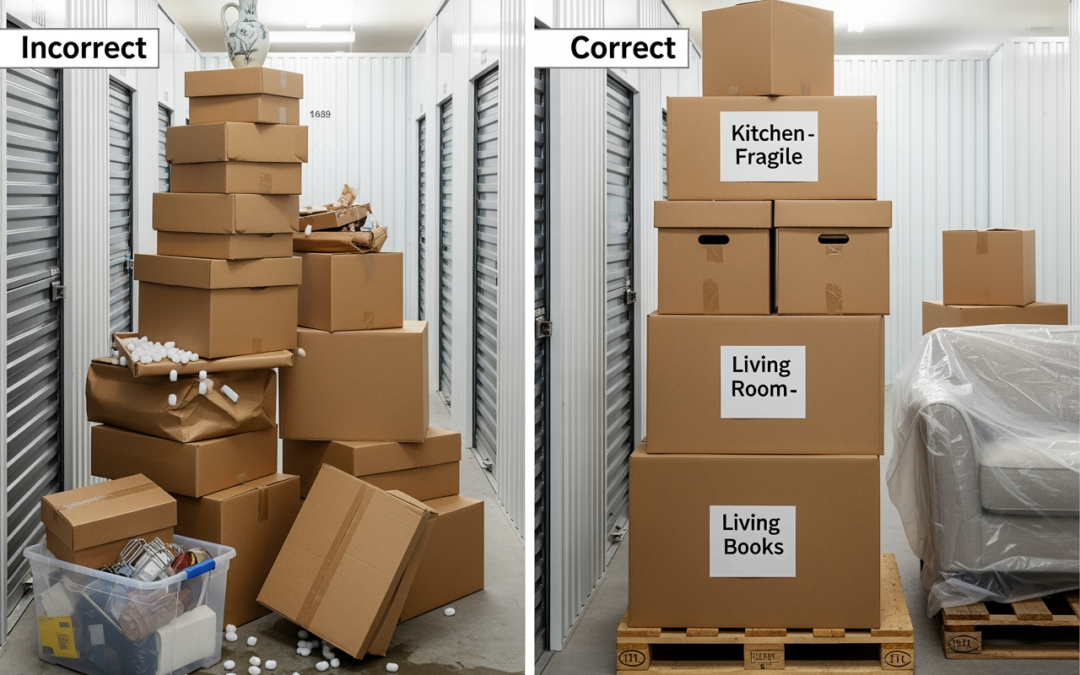
Many UK businesses make the strategic decision to utilise long-term self-storage for a variety of needs, from archiving essential documents and managing inventory overflow to storing seasonal equipment or office furniture during a relocation. This approach can be incredibly beneficial. However, the true value of long-term storage hinges significantly on one crucial factor: how well items are packed. The unfortunate reality is that several Common Packing Mistakes are frequently made, and these can lead to disappointment, damage, and unexpected costs when items are eventually retrieved. This guide is dedicated to providing purely educational insights into these pitfalls and offering essential tips to ensure your business assets remain in top condition, particularly focusing on avoiding Long-Term Packing Mistakes.
Imagine Sarah, a small e-commerce business owner, who diligently stored her excess seasonal stock for nine months. Upon retrieval, she discovered several boxes had collapsed, delicate items were broken, and a faint musty smell clung to some of the fabrics , all due to simple oversights during the packing process. This kind of experience is frustrating and financially detrimental. At Newbury Self Store, we understand that properly packed belongings are key to a successful storage experience, complementing the secure and varied Business Storage solutions we offer.
The Underrated Importance of Smart Packing for the Long Haul: sidestepping common packing mistakes
Investing time and effort in correct packing before placing items into long-term storage is not merely a suggestion; it’s a fundamental necessity for businesses. The initial care taken can drastically influence the condition of your goods months or even years later.
Proper packing offers multifaceted benefits. Firstly, it provides robust protection against various forms of damage , physical impacts during transit or shifting within the unit, as well as environmental factors like dust accumulation over time. Secondly, intelligent packing maximises the usable space within your storage unit. Efficiently packed boxes and well-organised items mean you might not need as large a unit as you initially thought, potentially saving on costs. This is especially relevant when considering our versatile Container Storage options or our internal units.
Furthermore, well-packed and clearly labelled items simplify the retrieval process immensely. When you or your staff need to access specific documents or stock, a logical system prevents wasted hours and frustration. Most importantly, for any business, the items being stored are assets. Protecting them through careful packing directly preserves their value, whether it’s crucial inventory, historical archives, or expensive equipment. Ultimately, knowing your business goods are securely and correctly packed offers invaluable peace of mind, allowing you to focus on your core operations.
Pitfall Number One: Skimping on Quality Packing Supplies, a common packing mistake
One of the most prevalent and damaging Common Packing Mistakes is the attempt to save money by using substandard or inappropriate packing materials. Relying on old supermarket boxes, flimsy carrier bags, or cheap, weak tape is a false economy, especially when items are destined for long-term storage.
Why This Weakens Long-Term Protection
Over extended periods, low-quality materials inevitably degrade and fail to protect your business assets:
- Box Deterioration and Collapse: Thin, used, or single-walled cardboard boxes will absorb ambient moisture (even in a well-maintained facility) and weaken over time. Under the weight of other boxes in a stack, they are prone to sagging and eventually collapsing, which can crush the contents within.
- Unstable Stacking: Using a miscellany of box shapes and sizes, or boxes that are not structurally sound, makes creating stable stacks impossible. This significantly increases the risk of piles toppling, leading to potential damage.
- Inadequate Shielding: Flimsy materials provide minimal defence against the persistent ingress of dust over many months. While professional storage facilities like ours strive to maintain clean environments, dust is pervasive, and poor boxing won’t keep it out.
- Adhesive Failure: Low-grade packing tape tends to dry out, lose its stickiness, and peel away from boxes over time, leaving them partially or fully open and their contents vulnerable.
The Smart Solution: Investing in Professional-Grade Materials
For items that will remain in storage for a considerable duration, investing in high-quality packing supplies is essential.
- New, Sturdy Boxes: Always opt for new, strong, double-walled cardboard boxes. These are specifically manufactured for the rigours of moving and storage, designed to withstand stacking and provide superior protection. You can explore a comprehensive range of suitable options, from standard boxes to specialised containers, on our Packaging section, which details supplies built for durability.
- Uniformity for Stability: Wherever your items allow, use boxes of uniform dimensions. This makes stacking significantly easier, far more stable, and helps to maximise the usable vertical space in your unit.
- Essential Protective Wrappings: Avoid placing items directly into boxes without protection. Use bubble wrap generously for fragile goods, clean packing paper (acid-free for very sensitive items like photographs or antique documents) to wrap items or fill voids, and consider dedicated furniture covers or mattress protectors for larger pieces.
- Reliable Packing Tape: Use a good quality, strong adhesive packing tape. Ensure all box seams, both top and bottom, are securely sealed to prevent dust ingress and maintain structural integrity.
Treat your packing materials as the primary safeguard for your business’s valuable stored assets.
The Goldilocks Dilemma: Getting Box Weight Just Right to avoid packing mistakes
Another frequent error businesses encounter involves incorrectly loading boxes. Some are packed so densely with heavy items that they become a manual handling risk and put immense strain on the box itself, while others are left half-empty, rendering them susceptible to crushing and wasting valuable storage space.
The Risks of Imbalanced Packing
This is one of those seemingly minor Long-Term Packing Mistakes that can lead to a cascade of problems:
- Injury Risks: Overfilled boxes, especially those containing heavy items like business archives or machine parts, are difficult and dangerous to lift and manoeuvre. This increases the risk of strains and back injuries for anyone accessing the storage unit.
- Box Failure: Excessive weight can cause box seams to split or the cardboard structure to tear, particularly if the boxes are not of high quality or if they are moved frequently.
- Damage from Crushing: Conversely, boxes that are underfilled, with significant empty air pockets inside, are very likely to collapse if other, heavier boxes are stacked on top of them. This can lead to severe damage to the contents of the underpacked box.
- Inefficient Space Use: Underfilled boxes mean you are essentially paying to store air. This is not an economical use of your rented storage space and could mean you end up needing a larger unit than necessary.
The Right Approach: Optimal Box Filling for Longevity
The key is to find the ‘just right’ balance for each box:
- Manageable Weight Limits: As a general guideline, aim to keep the weight of each packed box to a level that one person can lift comfortably and safely, typically under 15-20 kilograms (around 30-40 pounds).
- Eliminate Voids: Use ample amounts of packing paper, bubble wrap, or even clean, old textiles (like towels or sheets for non-sensitive items) to fill any empty spaces within your boxes. This prevents items from shifting during movement and provides crucial internal support, making the box more rigid and resistant to crushing.
- Strategic Box Sizing: This is crucial. Use smaller, more robust boxes for very heavy items such as books, reams of paper, company files, or small metal components. Reserve larger boxes for items that are lighter but bulkier, for instance, display stands, lightweight inventory, or decorative office items. This approach naturally helps to keep individual box weights within safe and manageable limits.
Handle With Care (Or Regret It Later!): Ensuring Protection for Your Fragiles
It might seem like common sense, yet insufficient protection for fragile items remains a surprisingly frequent oversight, especially when businesses are trying to pack quickly or cut corners on materials. This is a Common Packing Mistake with often costly consequences.
The Unfortunate Cost of Breakages
Discovering that valuable business assets , such as IT equipment, delicate product samples, glass display cases, or even important framed certificates , have been damaged or broken during long-term storage due to inadequate packing can be extremely disheartening and lead to significant financial loss or operational disruption.
Best Practices for Packing Fragile Business Items:
- Individual Wrapping is Essential: Every fragile item should be wrapped separately and generously. Bubble wrap is an excellent choice for most items, providing good cushioning. For items with delicate surfaces or those prone to scratching, use plain packing paper as an initial layer before applying bubble wrap. Avoid using printed newspaper directly on items, as the ink can transfer over long periods.
- Utilise Cell Dividers: For items like glassware, laboratory equipment, small electronic components, or collections of samples, cardboard cell or partition dividers (similar to those found in boxes for wine bottles) are invaluable. They create individual compartments within a larger box, preventing items from colliding.
- Comprehensive Cushioning: Always line the bottom of any box destined to hold fragile items with a substantial layer of cushioning material , bubble wrap, foam sheets, or tightly crumpled packing paper. Carefully place your individually wrapped items into the box, ensuring they do not directly touch each other or the sides of the box. Fill all remaining empty spaces (voids) with more packing material to prevent any movement. Finally, add another layer of cushioning on top before securely sealing the box.
- Clear and Prominent Labelling: Mark any box containing fragile items with “FRAGILE , HANDLE WITH CARE” in large, bold, and clear lettering. This should be done on all sides of the box, as well as the top, to ensure it’s visible no matter how the box is oriented.
- Consider Specialised Packaging Solutions: For particularly high-value, sensitive, or oddly shaped fragile items (like specialised electronic equipment or custom display pieces), consider using their original protective packaging if you have retained it. Alternatively, investing in purpose-made electronics boxes, custom foam inserts, or wooden crates might be a wise decision. You can often find a selection of robust protective options, including various types of wraps and fillers, by checking the Packaging solutions available through your storage provider, like those we offer at Newbury Self Store to help ensure your items are perfectly protected.
Uninvited Guests: Combating Moisture & Pests in Long-Term Storage Solutions
When business items are set to be stored for an extended duration, even minor oversights concerning potential moisture ingress or the possibility of pest activity can escalate into substantial problems over time. These are particularly critical Long-Term Packing Mistakes to avoid.
The Insidious Damage from Damp and Pests
- Mould, Mildew, and Odours: Packing items that are even minutely damp, or storing goods in an environment where moisture can eventually penetrate inadequately sealed boxes, will almost certainly lead to the growth of mould and mildew. This can irreparably damage fabrics (like company uniforms or upholstery on stored office furniture), paper-based archives, leather goods, and create unpleasant, persistent musty odours that are very difficult to eliminate.
- Rust and Corrosion on Metal Assets: Metal items, ranging from tools and machinery parts to the metal components within electronics or even simple paper file fasteners, are highly susceptible to rust and corrosion if exposed to damp conditions over many months or years.
- Pest Infestations: While reputable indoor self-storage facilities, such as the units provided for Business Storage at Newbury Self Store, maintain rigorous pest control protocols, introducing items that could attract pests is a significant risk. This includes any food traces, certain organic materials, or items previously stored in less secure environments.
Preventative Strategies for Enduring Protection:
- Absolute Cleanliness and Dryness: This is non-negotiable. Every item destined for long-term storage , be it office furniture, electronic equipment, archived documents, or company textiles , must be meticulously cleaned and, critically, ensured to be completely and utterly dry before it is packed into a box or placed within the storage unit.
- Enhanced Protection with Plastic Containers: For business assets that are particularly sensitive to moisture, dust, or have high value (such as important legal or financial documents, electronic media, delicate sample products, or high-quality textiles), consider using heavy-duty plastic storage containers that have well-fitting, sealable lids. These offer an additional barrier against environmental factors. This is especially prudent for very long-term storage or if using units like our Container Storage options, which, while robust and weatherproof, might experience greater ambient temperature variations than indoor units.
- Utilise Moisture Absorbers: For added protection within sealed plastic boxes or containers holding sensitive electronics, paper archives, or fabrics, you can include desiccant packs (such as silica gel sachets). These help to absorb any residual atmospheric moisture trapped within the container. For very extended storage periods, these may need to be checked and potentially replaced.
- Strict Prohibition of Food and Organic Attractants: Never, under any circumstances, pack food items of any kind, plants, or any other organic materials that could decompose, attract insects, rodents, or other pests. Adherence to this is almost invariably a condition of your storage rental agreement.
- Elevate Goods from Direct Floor Contact: Where feasible, especially for cardboard boxes, consider placing items on pallets or even just thick plastic sheeting to create a small barrier between them and the direct floor of the unit. This can offer extra protection against any unlikely scenario of ground dampness and promotes air circulation (though well-maintained, modern indoor units should not present such issues).
A professional storage facility provides a secure and managed environment, but your diligent packing forms the crucial first line of long-term defence for your business’s stored assets.
Taking it Apart & Special Considerations: Don’t Skip These Steps for long-term packing
Certain business assets require specific preparation before they are committed to long-term storage. Overlooking these steps can lead to inefficient use of space, potential damage, or operational issues when the items are eventually retrieved. This is a frequent area for Long-Term Packing Mistakes.
Why This Detailed Prep Matters:
- Space Optimisation & Damage Mitigation: Large items like office furniture often consume significantly less space and are less susceptible to knocks, scrapes, or stress damage if they are disassembled before storing.
- Preserving Appliance Functionality: Office kitchen appliances (fridges, microwaves) or specialised equipment, if not prepared correctly, can develop unpleasant odours, internal mould, or even suffer mechanical component seizure over long idle periods.
- Preventing Battery-Related Damage: Batteries left inside electronic devices or equipment for extended storage durations can corrode and leak, causing serious and often irreparable damage to circuits and casings.
Smart Preparation for Specific Business Items:
- Office Furniture (Desks, Shelving, Chairs): Where practical, disassemble larger furniture pieces. This includes items like modular desking systems, large boardroom tables, shelving units, and some types of office chairs. Meticulously collect all screws, bolts, brackets, and other small hardware components for each item. Place these into a clearly labelled bag (e.g., “Hardware for Main Office Desk #1”) and tape it securely to the largest disassembled part of that specific furniture item to prevent loss. Individually wrap disassembled sections, particularly legs, tabletops, and drawer fronts, using furniture blankets, bubble wrap, or corrugated cardboard to protect corners and surfaces from scratches or impact.
- Appliances (Office Fridges, Microwaves, Water Coolers): Thoroughly clean all appliances inside and out. Ensure they are completely defrosted (if applicable) and perfectly dry to prevent mould growth and odours. For refrigerators and freezers, it’s essential to prop the doors slightly ajar during storage to allow for air circulation. Secure any loose internal components like shelves or drawers with low-tack tape or remove and pack them separately.
- Electronics & IT Equipment (Computers, Printers, Monitors): Crucially, remove all batteries from every device , this includes laptops, wireless keyboards and mice, remote controls, and any portable electronic tools or equipment. If you have retained the original packaging for your electronics, this offers the best protection. If not, wrap items individually in anti-static bubble wrap and place them in sturdy, well-padded boxes, clearly labelled as “FRAGILE ELECTRONICS.” It can be very helpful to take photographs of complex wiring configurations before disconnecting everything, to aid reassembly later.
- Business Machinery & Tools (Workshop or Site Equipment): Clean all tools and machinery parts meticulously. Apply a light coating of appropriate lubricating oil or rust inhibitor to any bare metal surfaces to prevent corrosion during storage. It is absolutely essential to drain all fuel, oil, and other fluids from any engines or motorised equipment before they are stored to comply with safety regulations and prevent leaks or degradation.
- Business Textiles & Uniforms: Ensure all fabrics, such as company uniforms, tablecloths from a hospitality business, or soft furnishings from an office, are freshly laundered or professionally cleaned and are completely dry. Fold items neatly to minimise creasing. For garments that are best hung, use wardrobe boxes, which are available from good Packaging suppliers. For very long-term storage of valuable or delicate textiles, interleaving with acid-free tissue paper can help prevent discolouration and fibre damage. Vacuum-sealed bags can save space for textiles but ensure items are bone dry first.
The ‘Mystery Box’ Nightmare: The Perils of Poor Labelling, a common packing mistake
Of all the Common Packing Mistakes, this is perhaps the one that causes the most predictable and avoidable frustration for businesses later on. You or a member of your team arrives at your storage unit needing a specific archived document, a particular piece of marketing material, or a component of seasonal display stock, only to be confronted by a daunting wall of identically anonymous boxes, or boxes with unhelpfully vague labels like “Office Bits” or “Marketing Stuff.”
The Frustration and Inefficiency Factor:
- Massive Time Wastage: Countless valuable work hours can be lost as staff are forced to open box after box, often in a cramped space, searching for one specific item. This is time that could be spent on core business activities.
- Disruption and Potential Repacking Chaos: The search often necessitates unpacking and then repacking multiple boxes. This not only disrupts any careful stacking and organisation within the unit but also increases the risk of items being damaged or misplaced during the rummaging process.
- Effectively ‘Lost’ Assets: If an item cannot be located quickly and efficiently when it’s needed for business operations, it is, for all practical purposes, temporarily (or sometimes even permanently) lost, even if it is technically present somewhere within the unit. This can lead to missed opportunities or operational delays.
The Organised Solution: Label Like a Business Professional:
- Specificity and Consistency are Paramount: Label every single box clearly and legibly. Use a good quality permanent marker. Labels should be placed on at least two sides of each box (preferably the top and one of the longer sides) so they are visible regardless of how the box is stacked. Avoid vague descriptions. Instead of “Files,” use “Client Invoices: Surnames A-D, 2021-2022.” Instead of “Trade Show,” use “Pop-Up Banner Stands & Tablecloths – Summer Expo.”
- Implement a Numbering System with a Master Inventory: For any significant volume of stored business items, a simple numbering system is highly recommended. Assign a unique number to each box. Then, create a detailed master inventory list , this can be a spreadsheet, a database, or even a well-organised document. This list should record each box number and provide a comprehensive description of its specific contents. For critical documents, you might even list key file names.
- Utilise “Fragile” and “This Way Up” Labels: Where appropriate, use these standard handling labels clearly and generously to prevent accidental damage during any future movement of the boxes.
- Ensure Inventory Accessibility and Backup: Your master inventory list is a vital business record. Keep it in a safe and easily accessible location. Store a digital copy in a secure cloud storage service that multiple authorised staff can access. It’s also wise to keep a printed physical copy with your primary business records, and perhaps even a laminated copy just inside the door of your storage unit itself for quick reference on-site.
This level of meticulousness in labelling and inventory management might seem time-consuming upfront, but it will save your business an enormous amount of time, stress, and potential cost in the future.
Playing Tetris Badly: Suboptimal Unit Loading, a classic long-term packing mistake
The way your business items are physically loaded into the self-storage unit is just as impactful for long-term preservation and future accessibility as how individual boxes are packed. Simply piling everything in randomly, without a plan, is a recipe for future difficulties and potential damage , a classic example of Long-Term Packing Mistakes.
The Associated Risks and Inconveniences:
- Damage from Crushing and Stress: Placing heavy, dense boxes on top of lighter or partially empty ones will inevitably lead to the lower boxes becoming misshapen or crushed over time, potentially damaging their contents. Similarly, awkwardly stacked items can put undue stress on furniture or equipment.
- Obstructed Access to Key Items: If no thought is given to layout during loading, business items or archives that you might need to access occasionally could end up buried at the very back of the unit, beneath stacks of other goods. This necessitates a major, time-consuming unloading effort to retrieve them.
- Inefficient Use of Premium Space: Random loading rarely makes optimal use of the storage unit’s volume, especially its vertical height. This means your business could be paying for unused cubic footage, or might be forced to rent a larger, more expensive unit than necessary.
- Increased Safety Hazards: Unstable, poorly constructed stacks of boxes or precariously balanced items can topple, not only causing damage to your goods but also posing a significant safety risk to anyone entering the unit.
Strategic Stacking and Access Planning for Business Needs:
- Develop a Basic Loading Plan: Before a single item enters the unit, sketch out a rough floor plan. Consider the dimensions of your unit and the sizes and types of items you are storing. Decide where large pieces of furniture or equipment will go, and how different categories of boxes will be grouped.
- Foundation First: Heaviest and Sturdiest at the Bottom: This is a fundamental principle of safe and stable stacking. Ensure your heaviest and most robust boxes or items form the base of any stacks. Lighter, more delicate items should always be placed on top.
- Create Clear Walkways or Access Aisles: If the size of your storage unit permits, try to leave at least one or two narrow walkways. This allows you or your staff to access items further back in the unit without needing to dismantle everything in front.
- Prioritise Access for Frequently Needed Items: Any business documents, stock, or equipment that you anticipate needing to retrieve more regularly should be positioned towards the front of the unit for the easiest possible access.
- Maximise Vertical Space Safely: When using good quality, uniform-sized boxes, you can stack them neatly and quite high to make full use of the unit’s vertical dimension. If your storage provider allows, and it suits your needs, consider using freestanding, sturdy industrial shelving units. This is particularly useful for organising smaller boxes, individual items, or archived files, allowing for better air circulation and easier item identification.
- Maintain Small Gaps for Air Circulation: Where possible, avoid pushing items tightly against the walls of the unit. Leaving a small gap can promote air circulation, which is beneficial for long-term storage conditions. This also applies between large pieces of furniture.
Taking a strategic approach to loading your unit makes a significant difference to the safety of your items and the ease with which your business can manage its stored assets.
Bonus Tip: Choosing the Right Storage Partner for Your Business
All the meticulous packing and careful loading can be significantly undermined if the self-storage facility itself does not meet high standards of cleanliness, security, and professionalism. For businesses entrusting valuable assets to long-term storage, selecting the right provider is a decision that warrants due diligence.
- Cleanliness, Dryness, and Maintenance Standards: Before committing, inspect the facility. It should be visibly clean, well-maintained, and, critically for long-term storage, demonstrably dry. Check for any signs of dampness, pest activity, or poor upkeep. A well-cared-for facility reflects a professional attitude towards protecting clients’ goods.
- Robust Security Measures: This is non-negotiable for business storage. Look for comprehensive security features. These should ideally include good perimeter fencing, controlled gate access (e.g., PIN code entry), extensive CCTV surveillance covering key areas, adequate lighting throughout the facility, and strong, secure locks on individual units. Some facilities may also offer individually alarmed units.
- Range of Appropriate Unit Sizes and Types: A reputable storage provider catering to businesses should offer a variety of unit sizes to accommodate different needs , from smaller units ideal for document archiving (Personal Storage units can sometimes suit very small businesses or sole traders for this) to much larger spaces suitable for significant inventory, equipment, or furniture through dedicated Business Storage solutions. Options like Container Storage can also provide flexible, accessible solutions for certain types of business goods.
- Convenient and Secure Access: Consider the facility’s access hours. Do they align with your business’s potential need to retrieve or add items? Is access straightforward and secure, allowing authorised personnel to manage your stored goods efficiently?
- Professional and Helpful Staff: The quality of customer service is a good indicator. Staff should be knowledgeable, able to offer sound advice on choosing the correct unit size, discuss packing best practices, and clearly explain the terms of the storage agreement. They should be readily available to address any concerns.
At Newbury Self Store, we are committed to providing UK businesses with precisely this type of clean, highly secure, and professionally managed storage environment, ensuring your packed items are kept in optimal conditions.
Your Pre-Storage Checklist: Don’t Forget These Final Steps!
Before you finally close and lock the door on your carefully packed business storage unit, it’s wise to run through a quick, methodical final checklist. This ensures no crucial steps have been overlooked in the often busy process of moving items into storage.
- Essential Packing Supplies Utilised: Confirm you have used appropriate materials for the job. This includes sturdy boxes, strong and reliable packing tape for all seams, sufficient bubble wrap or packing paper for cushioning fragile items, and clear marker pens for labelling. If you find yourself short, most professional storage facilities, including Newbury Self Store, offer a range of quality Packaging supplies which you can typically purchase on-site, it’s always better to get extra than to compromise on protection.
- Final Cleanliness and Dryness Check: Do one last sweep of all items going into the unit. Are they all genuinely clean and, most importantly, completely dry? Trapping even slight dampness can lead to significant problems over the long term.
- All Boxes Securely Sealed and Clearly Labelled? Every box should be properly taped shut. Double-check that all labels are legible, accurate, securely affixed, and visible from at least two sides. No ‘mystery boxes’ allowed!
- Inventory List Finalised and Safely Stored? Is your detailed master inventory list complete and accurate? Ensure you have both a digital backup (e.g., in cloud storage accessible to relevant personnel) and a physical copy stored securely with your main business records. Consider placing a copy inside the storage unit in a protected, obvious place.
- Unit Organisation Optimised for Access and Stability? Take a final look at the layout. Are walkways clear where needed? Are heavier items forming stable bases for stacks? Is there good air circulation around larger pieces?
- Fragile Items Positioned Safely and Protected? Are all boxes marked “FRAGILE” placed where they are least likely to be bumped or have heavier items shift against them? Are they well-cushioned within their boxes?
- Facility Contact Details and Your Account Information Correct? Ensure the storage facility has your business’s current contact information and that you are clear on payment schedules and access procedures.
Taking these few extra minutes for a final review can prevent significant issues and provide complete peace of mind.
Newbury Self Store: Supporting Your Business’s Storage Needs Exceptionally
At Newbury Self Store, we understand that UK businesses require more than just empty space when it comes to storage; they need reliable, secure, and flexible solutions tailored to their unique operational demands. Avoiding Common Packing Mistakes is a crucial first step you take to protect your assets, and choosing a storage partner that understands business needs is equally important. We are proud to offer:
- A comprehensive selection of unit sizes specifically designed to meet diverse Business Storage requirements. Whether you are archiving critical company documents, managing fluctuating stock levels, storing seasonal marketing materials, or safeguarding valuable equipment, we have a space to suit.
- Robust and accessible Container Storage units, providing excellent options for larger items or when drive-up access is a priority for your business operations.
- A convenient on-site shop stocked with a variety of high-quality Packaging materials. This includes sturdy boxes, strong packing tape, bubble wrap, and other essentials to help you pack your business goods professionally and securely for long-term protection. You can find what you need to ensure every item is perfectly prepared.
- Impeccably clean, dry, and well-maintained storage facilities, underpinned by robust security measures to give you complete confidence that your stored items are well-protected.
- A team of friendly, experienced staff who are always on hand to offer practical advice, help you select the most appropriate unit size, and answer any questions you may have about packing or storing your business goods.
Our primary aim is to make your business storage experience with us as seamless, secure, and stress-free as possible. We invite you to explore our full range of services and options by taking a look at our Newbury Self Store, where you can find details on unit sizes, security features, and more.
Pack Smart, Store Secure, Retrieve with Ease for your business
The conclusion for any business considering long-term storage is clear: avoiding Common Packing Mistakes, and particularly those critical Long-Term Packing Mistakes, is not merely advisable, it is essential for safeguarding your valuable assets, optimising your operational efficiency, and ensuring complete peace of mind. That initial investment of time, effort, and quality materials in the packing phase will undoubtedly yield significant returns when you need to access your items, or when they emerge from their storage term in the same excellent condition they went in.
Treat the packing of your business goods for storage with the same diligence and strategic planning you apply to other vital aspects of your commercial operations. It forms an indispensable part of an effective and cost-efficient storage strategy.
Is your business ready to discuss its specific long-term storage requirements, or are you looking for expert advice on the best packing methods for items you plan to store in one of our secure units?
Please feel free to contact us at Newbury Self Store. Our experienced team is dedicated to helping you find the ideal storage solution and ensuring your business assets are impeccably protected for however long you need.