
 01635 581 811
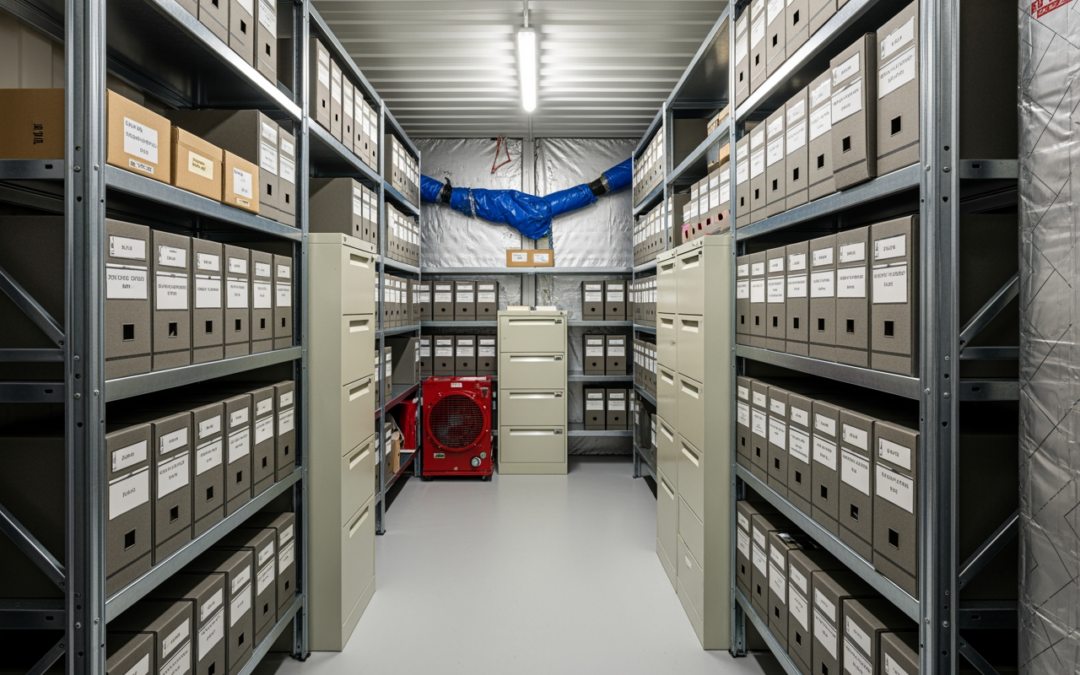
Increasingly dominated by digital information, the sheer volume of physical paperwork that businesses and individuals must manage remains a significant challenge. From legal contracts and financial records to historical archives and client files, these documents often hold immense value and necessitate secure, organised storage. Utilising Container Storage Units for Document Container Storage can be an excellent solution, provided that best practices for organisation and preservation are diligently followed. This guide explores how to transform a simple container into an efficient, secure, and well-managed document archive.
The Case for Dedicated Document Storage: Why Organisation Matters in Container Storage Units
Effective document management is more than just tidiness; it’s a cornerstone of operational efficiency, legal compliance, and risk mitigation. As paper trails continue to accumulate, finding a dedicated and organised storage solution becomes paramount.
The Growing Volume of Physical Documents in the Digital Age
Despite the shift towards digital, many sectors still rely heavily on hard-copy documents for legal, regulatory, or operational reasons. Financial institutions, legal practices, healthcare providers, and even small businesses generate and retain substantial amounts of paperwork. Without a strategy, this can lead to cluttered office spaces, lost information, and decreased productivity. Container Storage Units offer a practical off-site or on-site solution to alleviate this burden.
Benefits of Systematic Document Container Storage (Space, Efficiency, Compliance)
A well-organised Document Container Storage system offers numerous advantages:
- Space Optimisation: Frees up valuable office space that can be repurposed for core business activities.
- Improved Efficiency: Allows for quick and easy retrieval of necessary documents, saving time and reducing frustration.
- Enhanced Security: Protects sensitive information from unauthorised access, theft, or damage when appropriate measures are taken.
- Regulatory Compliance: Helps businesses meet legal obligations for document retention and data protection.
- Disaster Recovery: A secure off-site archive can be vital for business continuity in the event of a fire, flood, or other disaster at the primary premises.
Pitfalls of Disorganised Document Management
Conversely, neglecting proper document organisation can lead to serious consequences. These include wasted time searching for misplaced files, potential legal penalties for non-compliance with retention schedules, compromised data security, and the inability to produce critical documents when required. A haphazard approach to storing documents in Container Storage Units can exacerbate these issues.
Foundational Steps: Preparing Your Documents for Secure Container Storage
Before any documents are placed into a Container Storage Unit, thorough preparation is essential. This groundwork ensures that only necessary documents are stored, they are kept in good condition, and they meet any legal requirements.
The Essential Sort: Identifying Documents for Archival vs. Disposal
Not every piece of paper needs to be archived indefinitely. Begin by sorting through your documents to determine what must be kept, what can be digitised and then potentially shredded, and what can be securely disposed of immediately. This decluttering process is fundamental to efficient Document Container Storage.
Adhering to Legal and Regulatory Document Retention Schedules
Different types of documents have different legally mandated retention periods. For instance, financial records, employee data, tax documents, and specific industry-related paperwork all have varying requirements set by UK law (e.g., HMRC, Companies Act, GDPR). Familiarise yourself with these obligations to ensure you are not keeping documents longer than necessary, nor disposing of them prematurely.
Choosing Quality Archival Materials: Boxes, Folders, and Beyond
The materials used to store your documents play a significant role in their long-term preservation.
- Archive Boxes: Invest in sturdy, acid-free archive boxes specifically designed for document storage. Avoid standard cardboard boxes, which can degrade and attract pests.
- Acid-Free Folders and Paper: For particularly valuable or delicate documents, use acid-free folders and interleaving paper to prevent yellowing and deterioration.
- Avoid Plastics (for long-term): While plastic sleeves can be useful for short-term protection, for long-term archival in a variable environment, they can sometimes trap moisture or react with inks unless they are of archival quality (e.g., Mylar). Quality Packaging supplies, such as appropriate archive boxes, are crucial for protecting documents within Container Storage Units, and we offer a range designed to help at Newbury Self Store.
Preparing Documents for Longevity (Removing staples, paperclips, etc.)
Metal fasteners like staples and paperclips can rust over time, staining and damaging documents. Where possible, remove them and use brass or stainless steel paperclips, or simply group documents within folders. Ensure documents are clean and dry before boxing.
Optimising Your Space: Strategic Organisation Within Container Storage Units
Once your documents are prepared, the next step is to organise them effectively within the Container Storage Unit to maximise space, ensure accessibility, and maintain their condition.
Selecting the Right Shelving: Stability and Accessibility for Document Container Storage
Placing boxes directly on the floor of a container is not recommended as it restricts airflow and can expose them to potential moisture. Invest in sturdy, freestanding shelving units.
- Metal Shelving: Often the best choice for durability and resistance to pests.
- Adjustable Shelves: Allow you to configure the space to fit your specific box sizes.
- Weight Capacity: Ensure the shelving can comfortably support the weight of filled archive boxes. Proper shelving is key to an organised Document Container Storage system.
The Art of Labelling: Creating a Clear and Consistent System
Clear labelling is non-negotiable. Every box should be labelled with:
- A unique box number or identifier.
- A concise description of its contents (e.g., “Financial Records 2015-2016,” “Client Contracts A-C”).
- The date range of the documents within.
- The scheduled destruction date, if applicable. Use permanent markers and sturdy labels that will not peel or fade over time. Consistency in your labelling convention is vital.
Implementing a Robust Indexing System (Physical and Digital)
A detailed index is the roadmap to your archive. This can be a spreadsheet, database, or specialised document management software. The index should list each box identifier and provide a more detailed breakdown of its contents, keywords, and its physical location on the shelves (e.g., “Bay 3, Shelf B”). Maintaining a digital copy of this index, backed up securely, is highly recommended for efficient Document Container Storage management.
Arranging for Airflow and Easy Access Within the Unit
When loading your Container Storage Unit, leave adequate space for airflow around the boxes and shelving units. Do not pack boxes too tightly against the walls or ceiling. Ensure you have clear aisles to access all shelves easily without having to move multiple heavy boxes. This thoughtful arrangement is essential for practical Document Container Storage.
Protecting Your Paper Assets: Environmental and Security Considerations for Document Container Storage
Documents are susceptible to environmental damage and require robust security. While Container Storage Units are generally secure and weather-resistant, specific attention to these factors is crucial for long-term document preservation.
Mitigating Environmental Risks: Temperature, Humidity, and Pest Control
- Temperature and Humidity: Extreme fluctuations can damage paper. While standard containers are not climate-controlled, choosing a quality, well-sealed unit helps. For highly sensitive archives, consider options like desiccant packs within boxes or ensuring the container is sited to minimise direct, prolonged sun exposure. Proper ventilation, as mentioned with spacing, also helps.
- Pest Control: Ensure the container is clean before use. Avoid storing food or organic materials that might attract pests. Some businesses opt for periodic, document-safe pest control measures if storing for very long periods in their own Container Storage Units.
- Water Damage: Elevate boxes off the floor using shelving. Ensure the container roof and seals are in excellent condition.
Physical Security for Your Document Archive in Container Storage Units
The security of your documents depends on both the container itself and, if applicable, the facility where it is located.
Container Integrity and Locking Mechanisms
Your Container Storage Unit should be made of durable steel and be in good repair. Utilise high-security padlocks, preferably with a shrouded shackle, and a lockbox (cowl) for an added layer of protection against tampering. This is a fundamental aspect of Document Container Storage security.
Facility-Level Security Features
If using a facility like Newbury Self Store for your Business Storage needs, including document archiving, assess the site’s security. Look for features such as perimeter fencing, controlled access gates, CCTV surveillance, and good lighting. These elements contribute significantly to the overall security of your Document Container Storage.
Controlling Access and Maintaining Confidentiality
Implement strict protocols for who can access the stored documents. Maintain a log of access if multiple personnel might retrieve files. For highly confidential information, consider using tamper-evident seals on specific boxes.
Long-Term Management: Maintaining an Efficient Document Archive
Effective Document Container Storage is not a “set it and forget it” exercise. Regular maintenance and review are necessary to ensure the archive remains organised, secure, and compliant.
Conducting Regular Audits and Reviews of Your Stored Documents
Periodically (e.g., annually), review a sample of your stored documents to check their condition and verify the accuracy of your indexing system. This helps identify any emerging issues, such as pest activity or labelling errors, early on.
Updating Your Index and Culling Documents Past Their Retention Date
As new documents are added or old ones are (infrequently) retrieved, ensure your index is updated promptly. More importantly, adhere to your document retention schedule. Regularly identify and securely dispose of documents that have reached the end of their legally required lifespan. This not only frees up space in your Container Storage Units but also reduces compliance risks associated with holding data for too long.
Secure and Certified Document Destruction Services
When documents are due for disposal, ensure this is done securely, especially for confidential or personal data. Using a certified shredding service that provides a certificate of destruction is a best practice and helps demonstrate compliance with data protection regulations like GDPR.
Newbury Self Store’s Solutions for Effective Document Container Storage
At Newbury Self Store, we understand the unique requirements of storing documents and offer solutions to help businesses and individuals manage their archives effectively.
How Our Container Storage Units Provide a Suitable Environment
Our Container Storage units are robust, weather-resistant, and provide a secure shell for your important paperwork. They offer a clean and private space that you can organise to your specific Document Container Storage needs, fitting them with shelving and implementing your chosen archival system.
Leveraging Our Business Storage Options for Your Archival Needs
For businesses requiring off-site document archiving, our Business Storage solutions provide a secure and accessible option. You can rent various sizes of Container Storage Units within our facility, benefiting from our site-wide security measures and flexible terms. This is ideal for freeing up office space while ensuring your documents are safely stored.
Essential Packaging Supplies We Offer for Document Protection
To support your document archiving efforts, we provide a range of high-quality Packaging materials. This includes sturdy archive boxes, bubble wrap for delicate items (though less common for standard documents), and strong tape. Using the right supplies is key to protecting your documents during transit and long-term storage. You can find more details about our offerings on our main Newbury Self Store.
Guidance from Our Team on Your Document Storage Strategy
Our experienced team is on hand to offer advice on the best storage solutions for your document archiving needs. We can help you choose the right size of Container Storage Unit and discuss general best practices for organisation and security. For a personal consultation, please get in touch via our Contact Us.
The Rewards of Diligence: Achieving Efficiency and Compliance Through Best Practices
Implementing best practices for organising and storing documents in Container Storage Units requires an initial investment of time and effort, but the long-term benefits are substantial.
Streamlined Information Retrieval and Improved Productivity
A well-organised Document Container Storage system means that when a specific file is needed, it can be located and retrieved quickly and efficiently. This minimises wasted staff time, reduces frustration, and allows your team to focus on more productive tasks.
Ensuring Compliance with Data Protection and Industry Regulations
By systematically managing your document retention and disposal, and by ensuring secure storage, you can confidently meet your legal and regulatory obligations. This is particularly crucial in an age of stringent data protection laws.
Gaining Peace of Mind with a Well-Managed Document Archive
Knowing that your valuable documents are securely stored, well-organised, protected from damage, and readily accessible when needed provides significant peace of mind. It allows businesses to operate more smoothly and individuals to feel confident that their important records are safe. Effective Document Container Storage is an investment in operational excellence.