 01635 581 811

The hardest part of decluttering is not the initial purge. It is what happens three months later when the kitchen counter starts accumulating post again, the wardrobe begins bulging, and you realise you have somehow acquired seven new mugs despite donating twelve.
Maintaining a decluttered home requires a fundamentally different approach than achieving one. The initial clear-out is a project with a finish line. Maintenance is a lifestyle shift, and without deliberate systems, even the most ruthless declutterer will watch possessions creep back like weeds through pavement cracks. The difference between people who stay organised and those who cycle through decluttering marathons every few years is not willpower. It is systems.
The Psychology Behind Clutter Creep
Clutter does not return overnight. It accumulates through thousands of tiny decisions, each one seemingly insignificant. You keep the cardboard box because it might be useful. You accept the free tote bag at an event. You buy the extra set of kitchen utensils because they are on sale.
The “just this once” mentality is clutter’s best friend. One promotional mug will not hurt. One extra throw cushion adds character. One more storage basket will finally solve the problem. These micro-decisions compound into the same overwhelm you worked so hard to eliminate.
I watched a client undo six months of decluttering work in eight weeks, not through carelessness but through a series of small exceptions. A charity shop bargain here, a “too good to refuse” offer there, and suddenly the newly spacious living room felt cramped again. The lesson was not about saying no to everything. It was about creating friction points that force intentional decisions rather than automatic acquisitions.
Build a One-In, One-Out System
The one-in-one-out rule sounds simple: for every new item you bring home, one existing item leaves. In practice, it is remarkably effective at maintaining a decluttered home, provided you apply it consistently and honestly.
Start by defining categories. One-in-one-out works brilliantly for clothes, books, kitchen gadgets, and hobby supplies. The key is matching categories: a new jumper means donating an old jumper, not a pair of socks you never wear anyway. The system only works if you enforce it immediately. The new item does not get integrated into your wardrobe or shelves until the old one is bagged for donation.
For households with multiple people, individual accountability matters. Each person tracks their own categories. Children can learn the principle early with toys: the new Lego set arrives after choosing an old toy to donate. This builds decision-making skills whilst preventing the endless accumulation that plagues most family homes.
Establish Daily Reset Routines
A ten-minute evening reset prevents the gradual descent into chaos. The analogy I use with clients is dental hygiene. Nobody enjoys flossing, but it is vastly preferable to root canal treatment. Similarly, nobody finds the evening reset thrilling, but it beats spending entire weekends excavating buried surfaces.
Focus on high-traffic zones first. Kitchen counters, dining tables, and entryway surfaces accumulate the fastest. Mail gets opened and dealt with, not stacked. Coats go on hooks, not draped over chairs. Shoes return to the rack. These actions take seconds individually but prevent the visual noise that makes spaces feel cluttered even when they are not truly full.
Involving household members transforms this from a chore into a shared responsibility. Even young children can learn to put toys in baskets before bed. Teenagers can manage their own bedroom resets. The goal is not perfection but preventing the accumulation that makes spaces unusable.
Create Designated Landing Zones
The reason clutter accumulates near doorways is simple: people need somewhere to put things when they enter. Without designated landing zones, items land wherever is convenient, which usually means kitchen counters or the nearest horizontal surface.
Establish a specific entry point system: hooks for keys and bags, a small table or shelf for post, a shoe rack or basket, a charging station for devices. Mail and paperwork deserve particular attention. Create a sorting system at the entry point: recycling for junk mail, a tray for items requiring action, and a filing system for documents to keep. Handle each piece once. The moment you set it down “to deal with later,” you have created clutter.
Long-term storage options provide the breathing room for seasonal items that would otherwise colonise entry hallways and living areas. Winter coats do not need prime hallway space in July. Christmas decorations should not occupy everyday storage year-round. For items used only part of the year, proper off-site storage creates breathing room at home whilst keeping belongings accessible when needed.
Schedule Regular Declutter Reviews
Maintenance is not passive. It requires scheduled check-ins to catch accumulation before it becomes overwhelming. Monthly mini-audits take 20 minutes and focus on known trouble spots: the junk drawer, bathroom cabinets, or that chair in the bedroom that collects clothes.
Quarterly deep reviews tackle whole categories. Go through your wardrobe and remove anything unworn in three months. Review hobby supplies and donate materials for abandoned projects. Annual reassessments coincide well with seasonal changes or the new year, evaluating whether your systems still serve you.
Newbury Self Store supports maintaining a decluttered home by providing off-site storage for genuine overflow without enabling indefinite avoidance of decluttering decisions. The key is using it strategically for archived documents, seasonal equipment, and sentimental items with legitimate reasons for storage beyond everyday living space.
Manage Sentimental Items Strategically
Sentimental clutter is the hardest to manage because it carries emotional weight that practical items do not. The memory box approach works well: designate a specific container for sentimental items. When it is full, adding something new requires removing something else. This forces prioritisation.
Digital alternatives preserve memories without consuming physical space. Photograph children’s artwork rather than storing every piece. Scan old letters and cards. Set boundaries around gifts: you are allowed to keep the thought without keeping the object. Keeping unwanted items out of obligation does not honour the giver; it just fills your home with things you do not love.
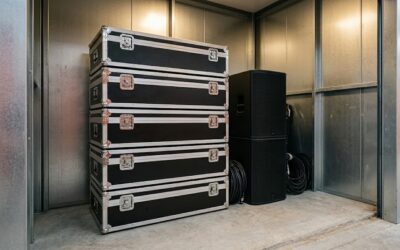
Consistent business storage keeps commercial items separate from personal space for home-based business owners. Mixing the two creates boundaries that gradually erode, making maintaining a decluttered home significantly harder when your workspace and living space occupy the same building.
Implement Storage Solutions That Support Maintenance
The best storage solutions make maintenance easier, not harder. Clear containers let you see what you have, reducing duplicate purchases and forgotten items. Labelling systems prevent gradual disorder. Use a label maker or clear handwriting, and avoid vague categories like “miscellaneous” that defeat the purpose entirely.
Maintenance container units work particularly well for bulk items or whole-house transitions. During moves, renovations, or major life changes, drive-up container access provides flexible capacity without requiring permanent space allocation. The key is treating it as temporary support during transition periods, not permanent overflow parking.
Protect Your Possessions Properly
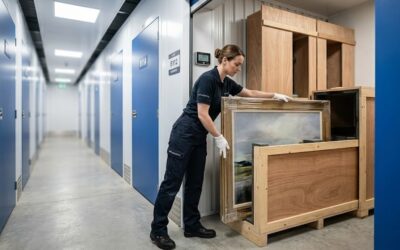
Items worth keeping deserve proper protection whether stored at home or off-site. Long-term packing solutions protect valuations over time. Sturdy boxes, bubble wrap, and proper tape cost more initially but prevent damage that transforms treasured possessions into rubbish. Climate matters more than most people realise: documents, photographs, electronics, and fabrics all deteriorate in damp or fluctuating temperatures.
Maintaining the Mindset
The most important maintenance happens between your ears. Staying decluttered requires shifting from a scarcity mindset (I might need this someday) to an abundance mindset (I can access what I need when I need it). Progress matters more than perfection. You will have weeks when the system slips. A temporary lapse does not erase your progress unless you abandon the systems entirely.
Celebrate what is working rather than fixating on remaining imperfections. Your home will not look like a magazine spread, and that is fine. The goal of maintaining a decluttered home is functional, peaceful space that serves your life. When every item in your space serves a clear purpose or brings genuine joy, you have succeeded regardless of how much you own. The post declutter organisation tips that make the biggest difference are not the dramatic ones; they are the small, consistent habits that make maintenance easier than accumulation.
Call 01635 581 811 or contact us for personalised advice on storage solutions that support your organisation goals long-term.