
 01635 581 811
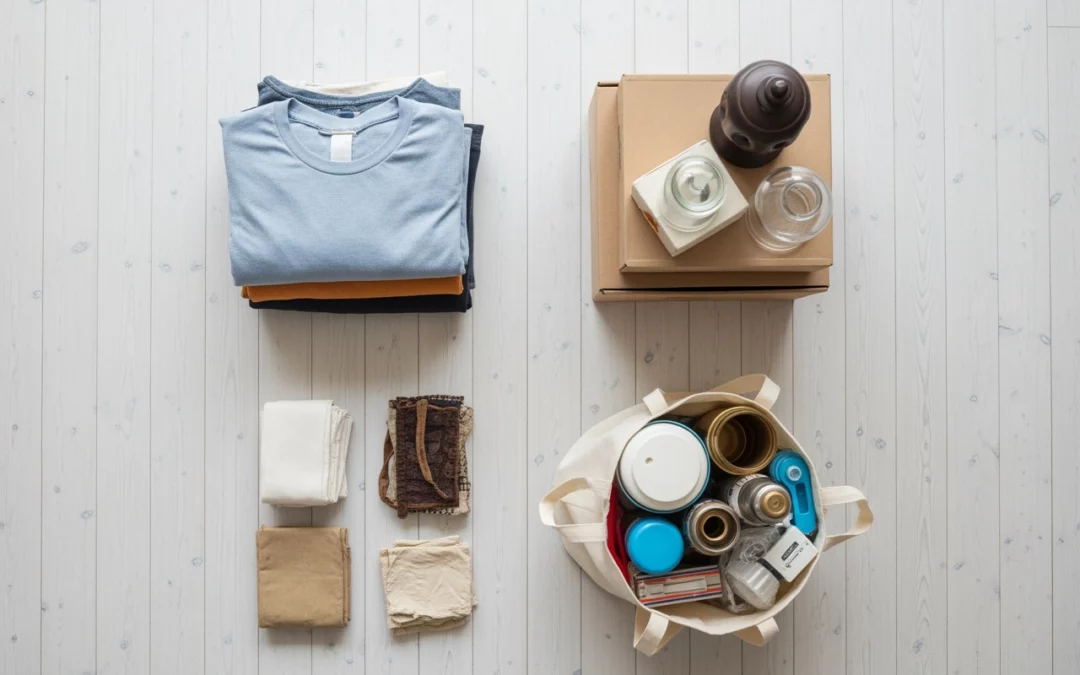
Most people stand in front of an overflowing wardrobe or cluttered garage and freeze. The sheer volume of decisions required to sort through years of accumulated belongings creates a mental block that stops progress before it starts. This paralysis is not a character flaw; it is the predictable result of asking your brain to make hundreds of complex emotional decisions without a clear framework.
The traditional “keep it or bin it” approach fails because it forces an all-or-nothing choice on every single item. The decluttering method keep donate discard solves this problem by acknowledging that belongings serve different purposes in your life. When you stop forcing everything into two boxes and start working with four, the decisions become clearer and the process actually moves forward.
Understanding the Four Categories
The Keep category contains items you use regularly or that serve an active purpose in your current life. Think of Keep items like the apps on your phone’s home screen. They are the tools and belongings that support your daily operations. If you have not touched something in three months and cannot identify when you will need it in the next three, it probably does not belong in this category.
Store encompasses possessions that have clear seasonal or occasional value but do not need to occupy your active living space. Winter sports equipment in July, Christmas decorations in March, archived business records you are legally required to maintain, or sentimental items you are not ready to part with all fit here. The Store category requires a sharp distinction: if you can name when you will next need the item and that timing is predictable, it qualifies for storage.
Donate includes functional items that no longer serve your life but could genuinely help someone else. One client kept three slow cookers because “they all still work.” They did work, but she only used one. The other two sat in her cupboard for four years, taking up space she needed for items she actually used. Within a week of donating them, she had reorganised her entire kitchen.
Discard covers items that are broken, damaged beyond reasonable repair, outdated to the point of uselessness, or potentially hazardous. People often feel guilt about discarding items, especially if they were expensive or gifts. But keeping a broken printer in your garage for three years does not undo the purchase decision. It just means you are paying ongoing mental and physical rent on something that serves no purpose.
The Psychology Behind Effective Sorting
Binary choices trigger decision fatigue. Every “keep or toss” decision depletes your mental resources because you are forcing your brain to evaluate complex factors and compress them into a single yes-or-no answer. By the time you have made fifty of these decisions, your brain starts taking shortcuts or simply refusing to engage.
The decluttering method keep donate discard reduces this fatigue by breaking the decision into stages. First, you determine if something is functional (ruling out Discard). Then you assess frequency of use (separating Keep from Store). Finally, you evaluate whether it serves your life or someone else’s better (distinguishing Store from Donate). Each step uses different criteria, which prevents the mental overload of simultaneous evaluation.
The Store category serves another crucial psychological function: it removes the pressure of permanent commitment. Knowing you can revisit items later makes it easier to move them out of your active space now. This is particularly valuable for sentimental items where you are not emotionally ready to donate or discard, but you also do not need daily access.
Room-by-Room Application Strategy
Start with spaces that carry less emotional weight. Bathrooms, kitchens, and utility areas typically contain more functional items and fewer sentimental attachments. This allows you to build decision-making momentum before tackling bedrooms, home offices, or attics where memories complicate choices.
Kitchen sorting often reveals surprising redundancy. Most households actively use about 20% of their kitchen equipment regularly. The rest either serves occasional purposes (Store), duplicates tools you prefer (Donate), or sits broken in the back of a drawer (Discard). Keep your everyday dishes, preferred cooking tools, and regularly used appliances within easy reach.
Bedrooms require more nuanced thinking because clothing carries both functional and emotional significance. Keep the clothes you actually wear in your current life and climate. The garage or attic presents the biggest challenge because these spaces often become default storage for everything that does not fit elsewhere. Apply the decluttering method keep donate discard ruthlessly here. Sports equipment you have not used in two years should be donated to someone who will use it. Boxes delivered conveniently to your door simplify the physical task of packing what genuinely qualifies for the Store category.
Common Pitfalls and How to Avoid Them
The “maybe” pile is the death of progress. When you create a fifth category for items you cannot decide about, you are just postponing decisions and creating another sorting task. If you genuinely cannot decide, default to Store with a review date. Put the item in smart personal storage and mark your calendar to reassess in six months. If you have not thought about it or needed it in that time, donate it without reopening the box.
Many people overestimate their storage needs because they confuse storing items with solving the underlying problem of owning too much. Before committing items to storage, ask whether you are storing them because you will need them or because you cannot face the donation decision.
Rushing the donation process often leads to regret, which then makes people hesitant to declutter in future. Take time to identify appropriate recipients. Local charities, schools, community centres, and specialised organisations often need specific items. Knowing your donations will genuinely help someone makes it easier to let go.
Making Storage Work for Your Lifestyle
Truly seasonal items have predictable use patterns. The six-month accessibility rule is a useful guide: if you need to access something more frequently than twice a year, it probably should not be in external storage. External storage works best for items with annual or less frequent use patterns.
Newbury Self Store supports this method by providing flexible space for the Store category without requiring you to rent more than you need. This prevents the common trap of filling whatever storage space you have simply because it is there. When you pay for specific square footage, you are more thoughtful about what genuinely deserves that space.
Efficient business storage helps business owners applying this method who often discover they are storing outdated stock, obsolete equipment, or archives that could be digitised. Keeping current inventory and essential equipment accessible whilst using organised commercial storage for seasonal stock, archived records, and backup equipment creates a more efficient operation. For larger items requiring space beyond standard units, container access available with drive-up loading makes the physical transfer of Store-category items straightforward rather than a logistical obstacle.
Maintaining Your Organised Space
The method only works long-term if you prevent items from drifting between categories. Set a monthly reminder to review your Keep areas. Anything you have not used in the past month might belong in Store instead. Seasonal transitions provide natural review points. When you retrieve winter clothes from storage, assess whether last year’s items still fit your life.
Building sustainable habits means establishing clear criteria for new acquisitions. Before buying or accepting something new, identify which category it belongs to and where it will live. If you do not have a clear answer, you probably do not need the item. This front-end filtering prevents the accumulation that necessitates future how to declutter your home UK efforts.
Proper protective materials make a significant difference in maintaining stored items. Items packed carelessly deteriorate, which transforms Store items into Discard items over time. Investing in appropriate boxes, covers, and protection ensures that what you have chosen to store remains in usable condition and earns the cost of the space it occupies.
The Broader Impact
The physical space you gain is obvious, but the mental clarity often surprises people. When your environment contains only items serving your current life, you stop wasting mental energy navigating around, moving, or feeling guilty about unused possessions. Families applying this method together often report improved relationships. When everyone understands the categories and criteria, arguments about what to keep transform into structured discussions about use patterns and value.
The decluttering method keep donate discard scales to any situation, from a university student’s room to a family home to a downsizing retiree. The categories remain consistent; only the volume and specific items change. This universality makes it a skill you can apply repeatedly throughout life’s transitions. When you know how to declutter your home UK style using a repeatable framework, clutter loses its ability to accumulate unchecked.
Call 01635 581 811 or contact us for expert guidance on implementing storage solutions that support your organised lifestyle.